ARRI announced key technologies from its “ARRI Image Science” suite have been adopted in the “HONOR Robot Phone,” a smartphone recently released by HONOR. This marks the first time ARRI Image Science has been incorporated into a consumer device.
The HONOR Robot Phone is the first commercial product born from the “Cinematic Imaging Partnership” promoted by both companies, and is “co-engineered with ARRI.” It combines HONOR’s mobile imaging, AI, and robotic camera technologies with ARRI LogC3, ARRI Wide Gamut 3, and ARRI Looks, deploying ARRI’s imaging technology for mobile content creation.
The HONOR Robot Phone will initially be available in the Chinese market. For product details, pricing, and sales information, HONOR will make further announcements.
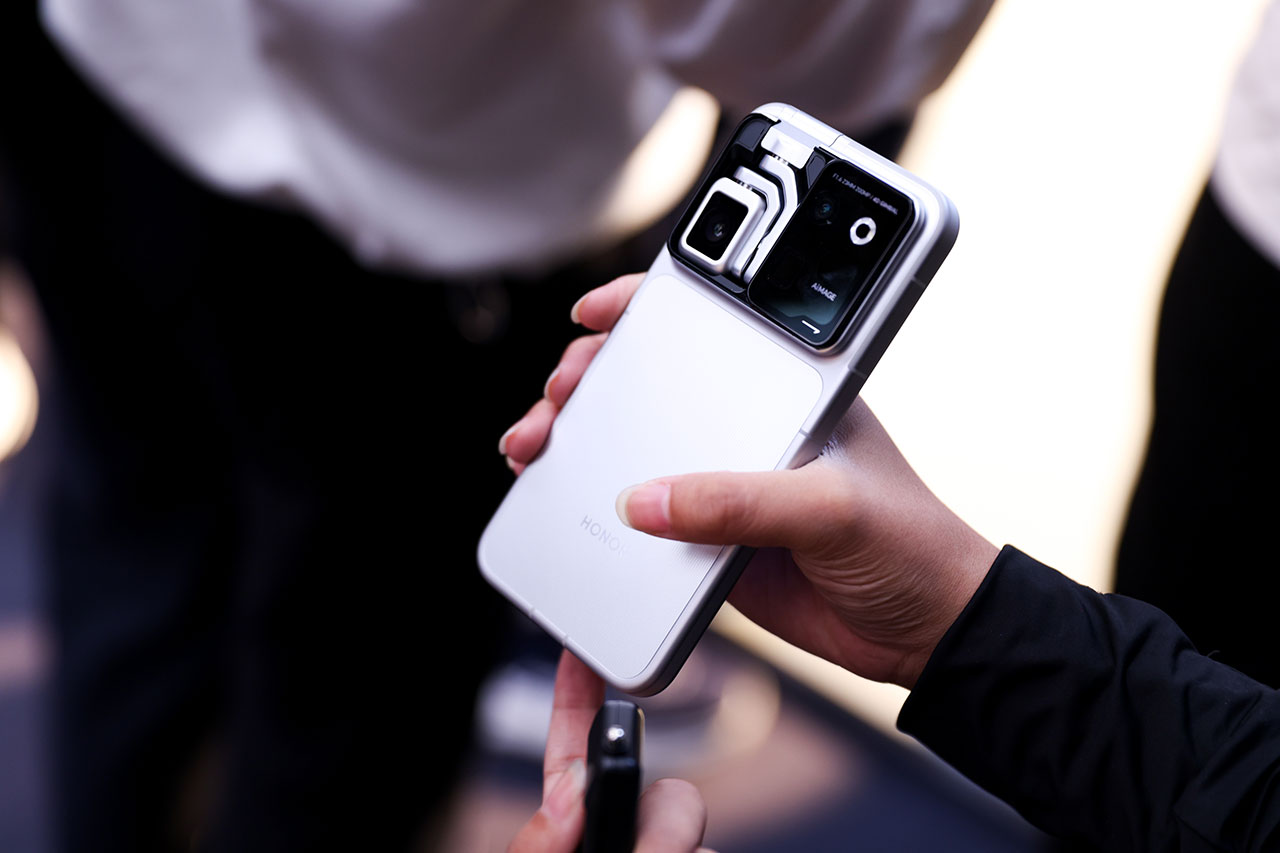
Introducing HONOR Robot Phone with ARRI LogC3, ARRI Wide Gamut 3, and ARRI Looks.
ARRI Image Science is ARRI’s imaging technology that shapes how cameras depict light, color, contrast, highlights, and shadows. The company has now implemented parts of this technology to suit the unique requirements of smartphones, such as small sensors, compact optics, integrated image processing, and real-time computing.
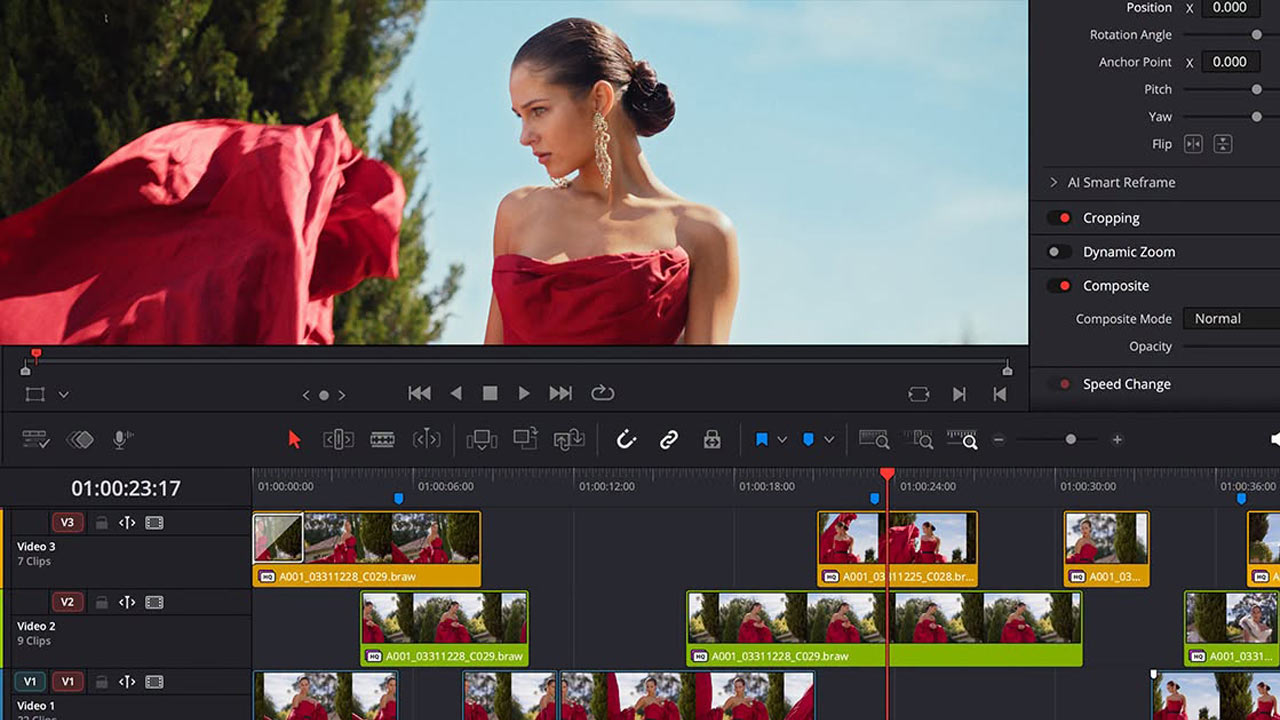
The HONOR Robot Phone supports 10-bit ARRI LogC3 recording, preserving more highlight, shadow, and color information, and providing greater flexibility for post-production adjustments.
Furthermore, it features the wide color gamut ARRI Wide Gamut 3 and multiple ARRI Looks, allowing users to select different visual styles through on-screen operation.
By importing footage recorded with LogC3 into professional editing and color grading applications, existing film production workflows can be utilized even for content shot on mobile devices.

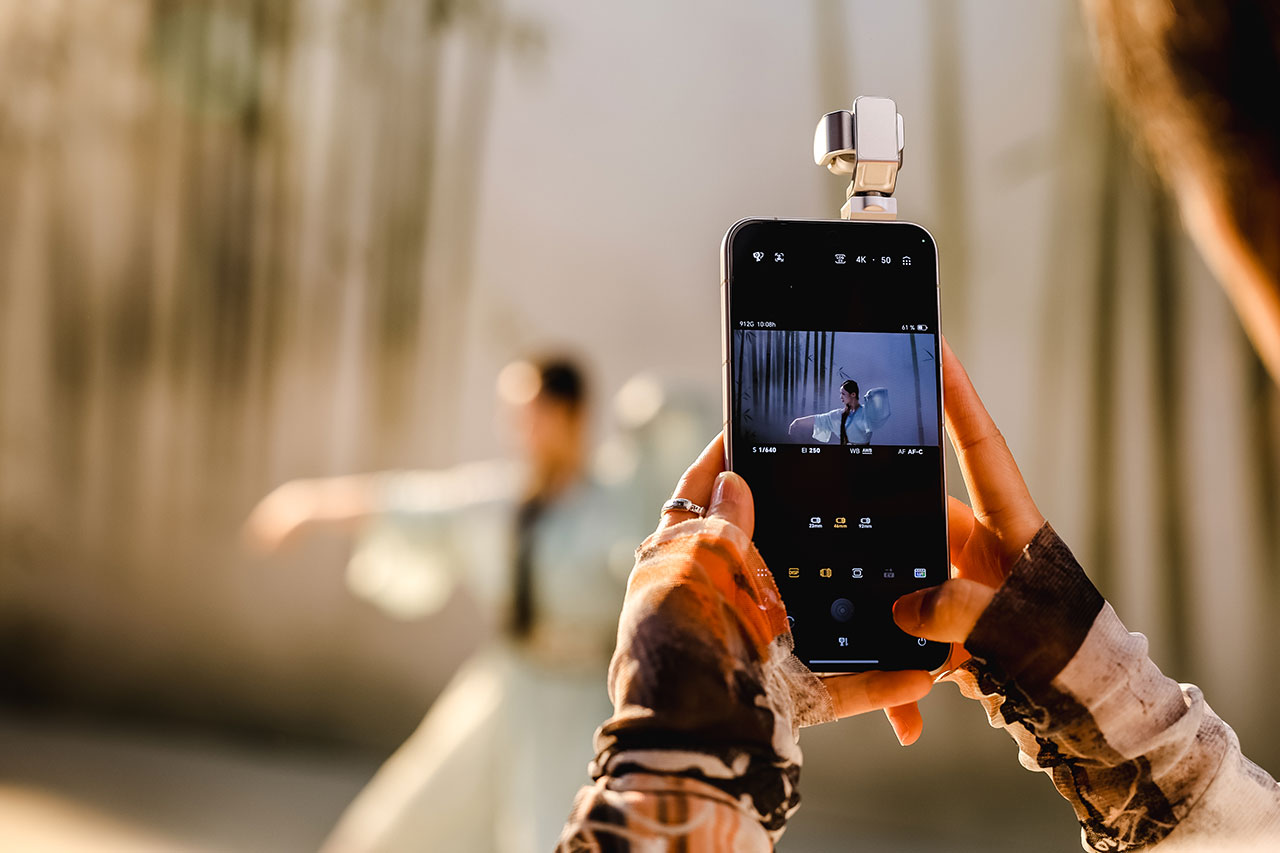
“Titanium Agile Gimbal” enables subject tracking and hands-free operation.
The HONOR Robot Phone combines HONOR’s mobile imaging, AI, and robotic camera technologies with ARRI’s imaging technology.
The Titanium Agile Gimbal supports stabilized camera movement, subject tracking, and hands-free operation. Combined with ARRI’s technology, it provides a consistent imaging foundation from shooting to creative finishing.
ARRI’s efforts to expand into the Content Creation field
For ARRI, the HONOR Robot Phone represents a concrete result of its efforts to expand its business into the “Content Creation” field, in addition to its existing Motion Picture and Live Entertainment businesses.
Mobile devices are becoming increasingly important in various forms of visual storytelling, including social content, brand communication, and documentaries. ARRI says it will bring its imaging technology to a wider range of creators by extending some of its Image Science and workflow technologies to the mobile sector.
ARRI Chief Product Officer David Bermbach commented as follows:
The HONOR Robot Phone is a significant milestone in ARRI’s expansion into the Content Creation field. Together with HONOR, ARRI is extending its approach to image quality, color, and visual storytelling into new categories. This will allow more creators to access advanced creative control and more closely connect shooting and post-production.
Developing next-generation imaging technology in a joint lab
Beyond simply launching products, ARRI and HONOR are continuously developing imaging technologies through their Cinematic Imaging Partnership.
At HONOR’s Imaging Technology Launch held in Hengdian, China, a production environment combining compact camera motion and a professional post-production workflow was showcased, demonstrating the technologies of both companies in a setting that is one of the world’s largest film and television production hubs.
The two companies’ joint imaging technology lab is advancing further technological development in three areas: sensor-level optical technology and dynamic range, film production workflows that connect shooting to post-production, and the realism and aesthetic standards of images in the age of AI.
Moving forward, ARRI and HONOR will continue to improve their integrated imaging technology and workflow based on insights gained from technical verification and real-world usage environments. They aim to combine professional imaging technology with new mobile technologies to drive next-generation visual storytelling.