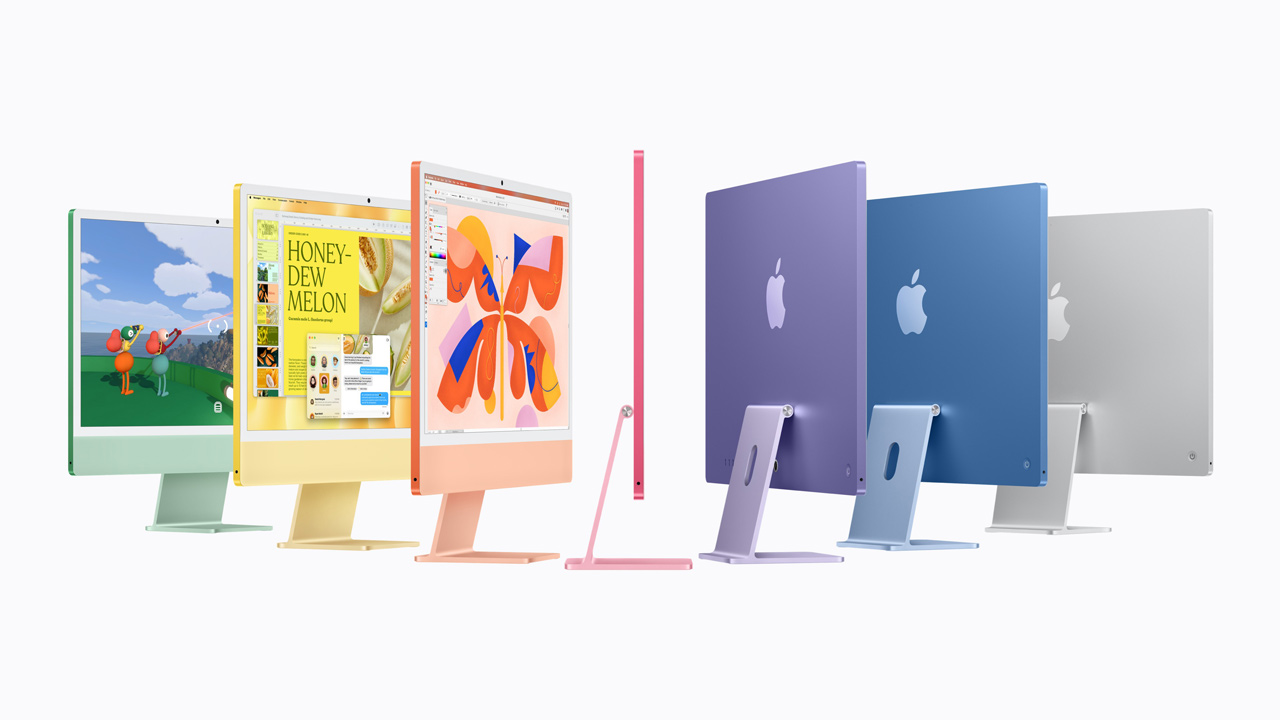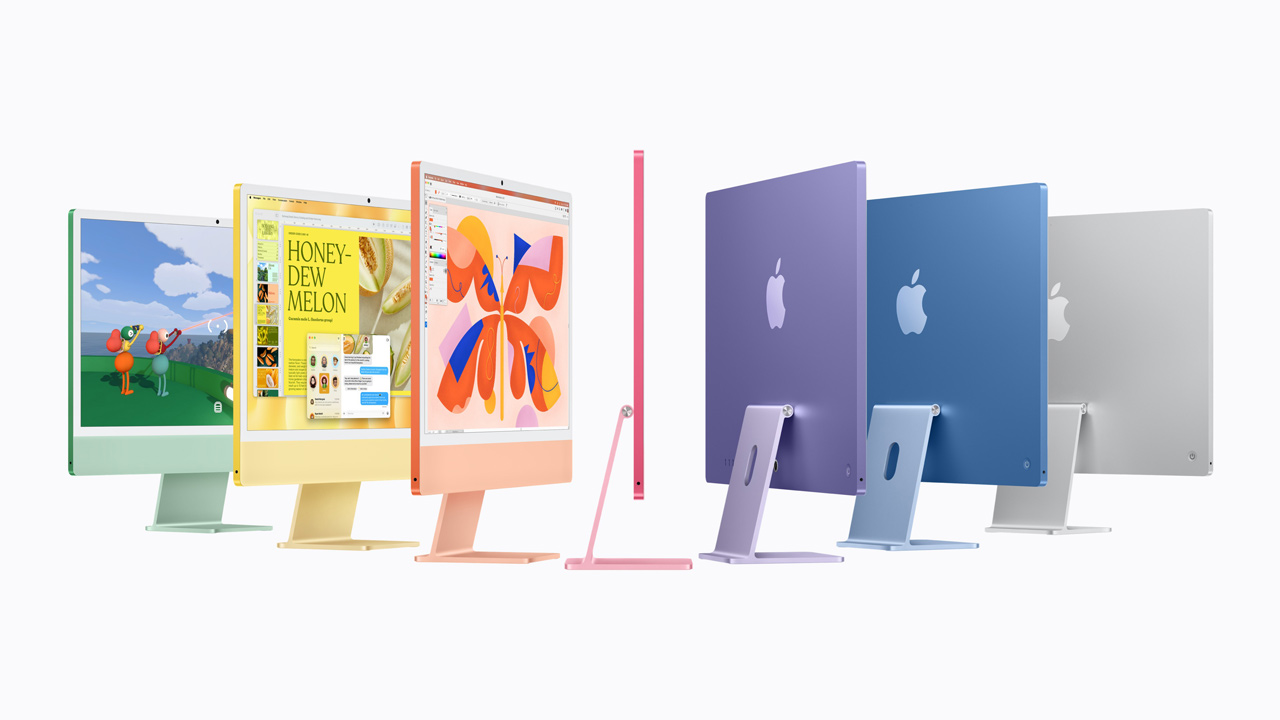
Apple announced a new 24-inch iMac with the M6 chip on October 27, 2026.
The new iMac M6 retains the traditional slim all-in-one design while enhancing CPU and GPU performance and AI processing capabilities. It also supports Wi-Fi 7, Bluetooth 6, and Ethernet connectivity up to 2.5Gbps, and storage read/write speeds have been improved.
For OS, the iMac M6 runs macOS 27 Golden Gate and supports a new operating environment utilizing Apple Intelligence and Siri AI. The device is available in seven colors: blue, green, pink, yellow, purple, orange, and silver.
Sherry Goldberg, Apple’s vice president of hardware engineering, commented that the new iMac, with its combination of M6 performance and next-generation Apple Intelligence, will be suitable for a wide range of uses, including business, everyday life, and creative production.

iMac M6 – the latest chip, enhancing CPU/GPU performance and AI processing capabilities.
The new iMac M6 features a CPU with up to 12 cores and a GPU with 12 cores. Compared to the previous generation M4-based models, the maximum number of cores in both the CPU and GPU has increased by two.
Apple claims the M6’s single-threaded CPU performance is the fastest in the world, based on its own benchmark tests. Furthermore, each core of the GPU is equipped with a Neural Accelerator, accelerating graphics processing such as photo editing and AI-related tasks.
The AI processing utilizes a dual 16-core Neural Engine. Combined with a memory bandwidth of up to 170GB/s, it supports the execution of large-scale language models (LLMs) on the device.
According to performance comparisons released by Apple, applications such as Microsoft Excel can achieve processing speeds up to 2.5 times faster than an iMac with an M1 processor and up to 1.5 times faster than an iMac with an M4 processor.
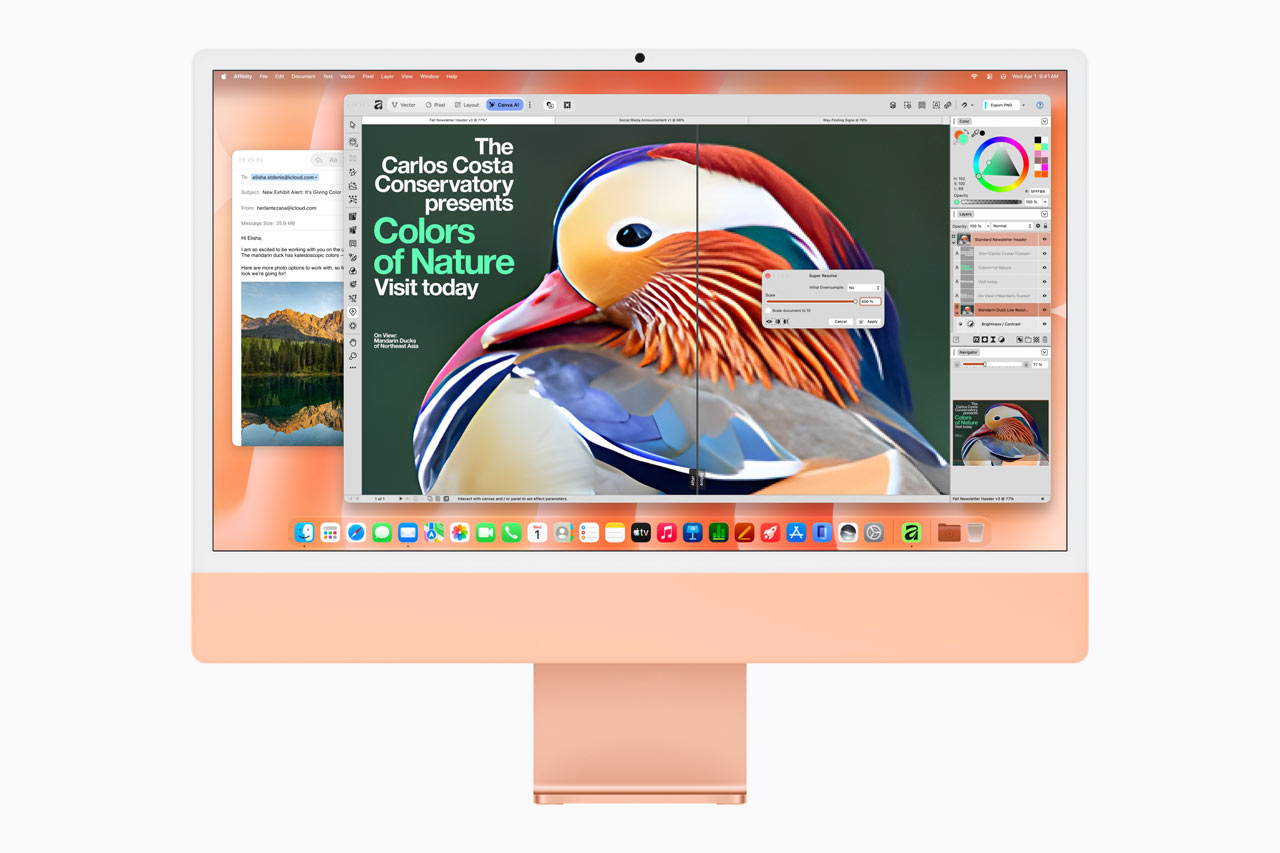
Graphics processing, such as photo editing using Affinity, is up to 3.3 times faster than models with the M1 processor and up to 2 times faster than models with the M4 processor. On-device AI performance in LM Studio prompt processing has improved by up to 12 times compared to models with the M1 processor and up to 5 times compared to models with the M4 processor. Rendering performance for games using ray tracing is also up to 2 times faster than models with the M4 processor.
Apple also claims that the new system delivers up to 18 times the performance of an Intel-based iMac in certain tasks. These performance comparisons are based on specific tests conducted by Apple, and actual speeds will vary depending on the application, processing requirements, and system configuration.
Video Production Capabilities
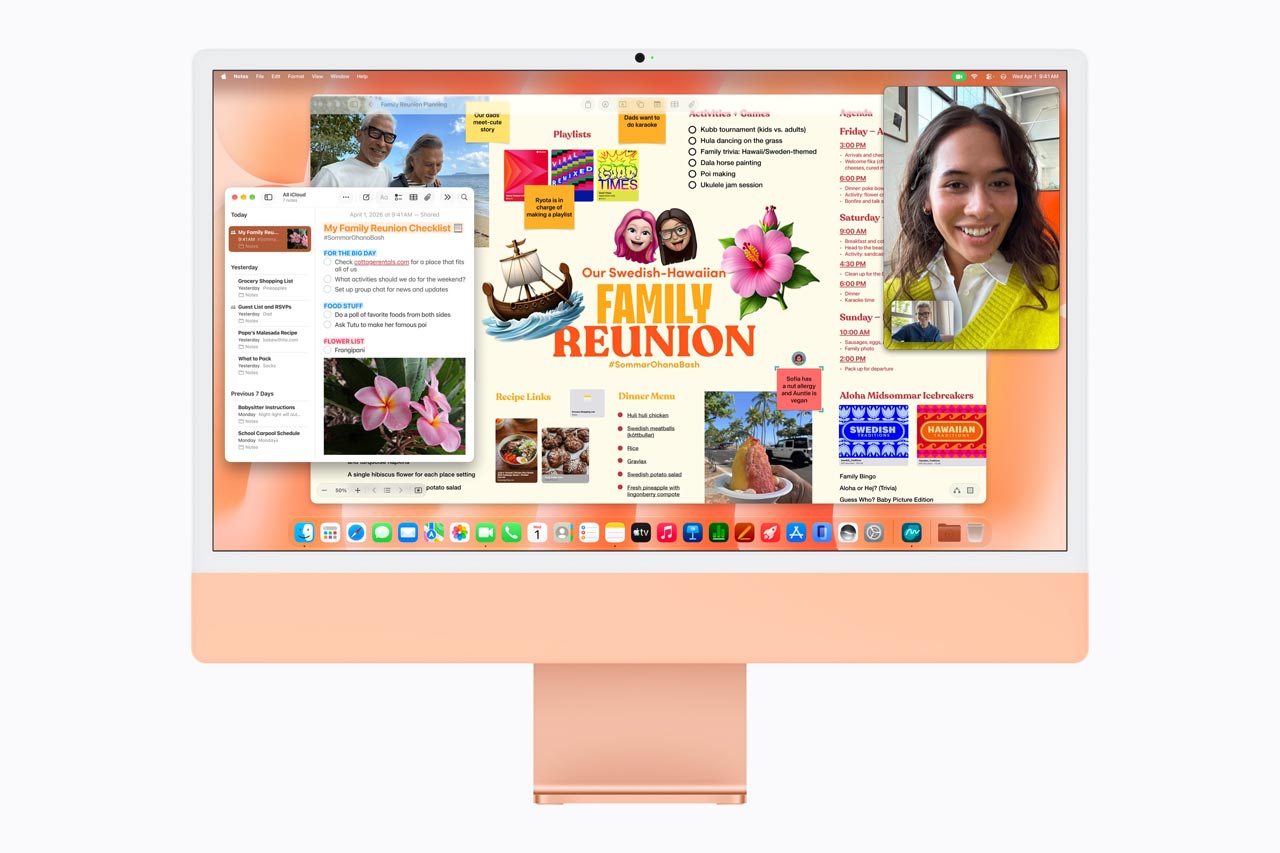
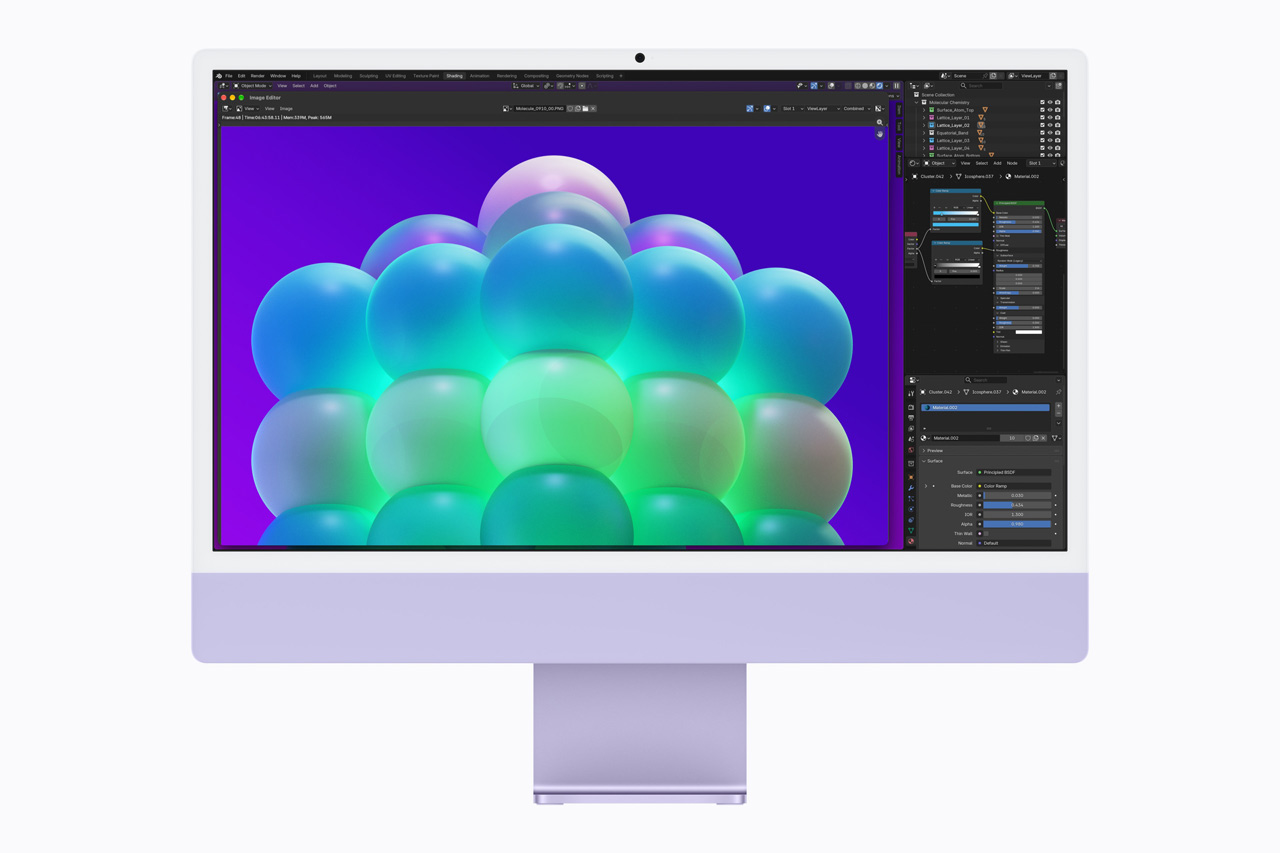
For video producers, improved processing speeds are expected for tasks requiring CPU and GPU performance, such as editing high-resolution video and applying effects using Final Cut Pro, and rendering 3D models and animations using Blender.
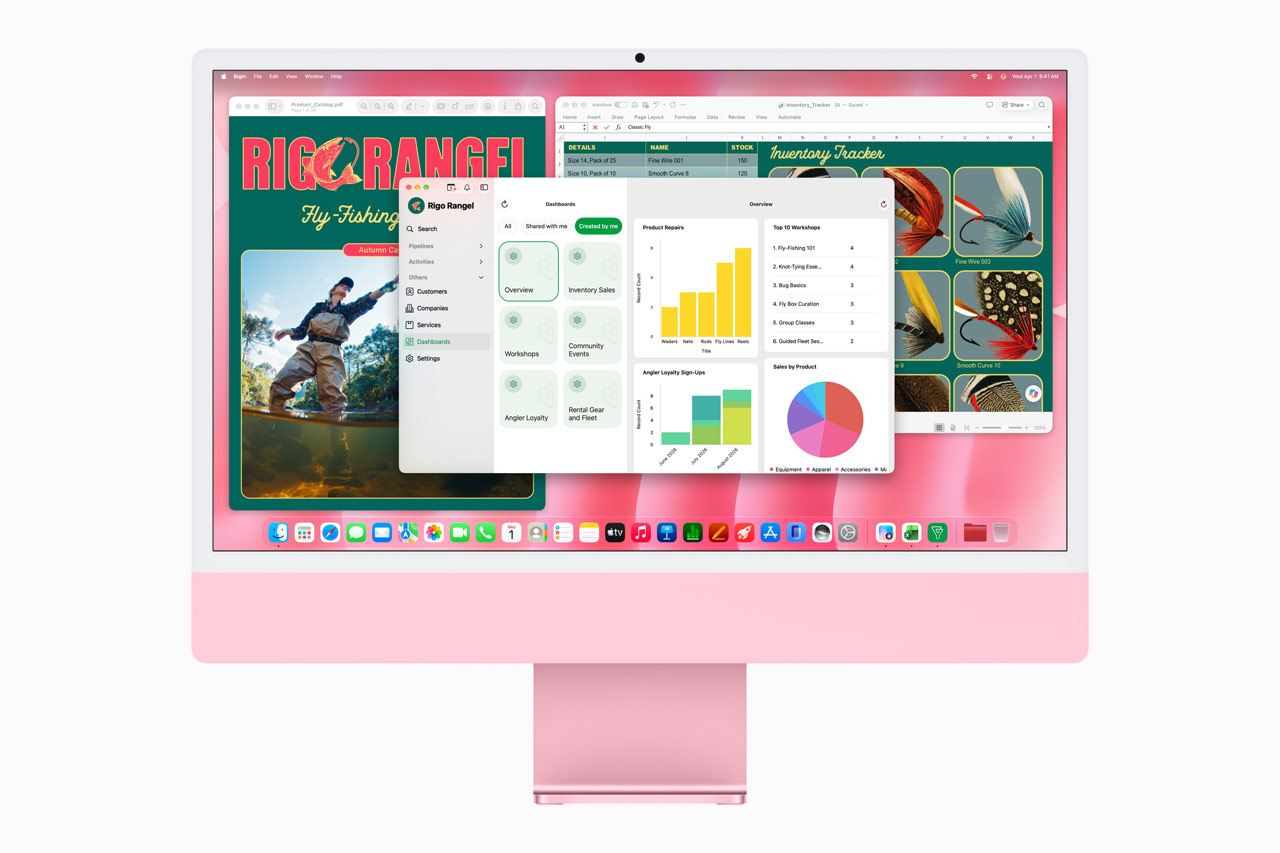


New operating environment powered by Apple Intelligence and Siri AI
The new iMac supports the next generation of Apple Intelligence, integrated into macOS 27. The new AI assistant, Siri AI, enhances natural language conversation capabilities and assists with searching for information such as messages, emails, and photos, as well as navigating across multiple applications.
Siri AI is also integrated into Spotlight, enabling users to ask additional questions related to search results and search for complex information. Using visual intelligence, users can ask Siri questions about charts in spreadsheets displayed on the screen, images in their browser, and more. It also assists with writing and editing text, and in emails and messages, it adapts to the user’s usual writing style and expressions.
According to Apple, Siri AI is available in beta in macOS 27.2. It supports Japanese, but requires an Apple Intelligence-compatible device and certain language settings, and some features may not be available depending on the region and language.

Apple Intelligence extends its functionality to Safari and the Shortcuts app. In Safari, it now supports features such as automatic tab organization, website update notifications, and the creation of custom extensions using natural language.
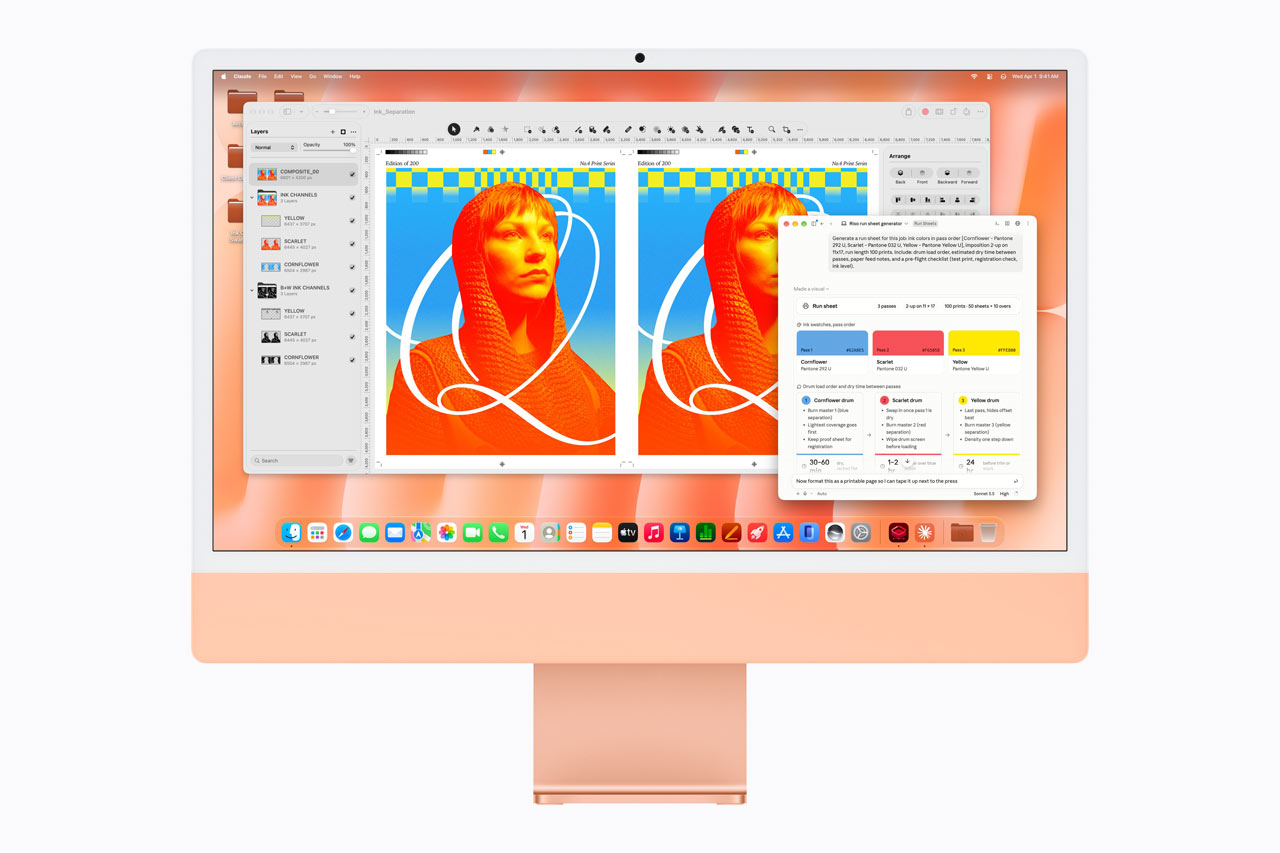
The Shortcuts app allows you to create automations by describing the process you want to execute in text, and the Photos app also offers AI-powered editing features. Furthermore, it supports AI-powered applications and software optimized for Apple Silicon, such as Pixelmator Pro, Claude, LM Studio Bionic, and Topaz Studio.
Supports Wi-Fi 7 and Thunderbolt 4. Storage performance has also been improved.
The new iMac features the Apple N1 wireless network chip and supports Wi-Fi 7 and Bluetooth 6. It also supports Ethernet connectivity at speeds up to 2.5Gbps. This is an option on the 10-core CPU model and standard on the 12-core CPU model.
SSD read and write speeds are up to twice as fast compared to the previous generation M4-equipped models. This is expected to reduce loading times for large projects, including photo libraries and high-resolution videos. Both models offer storage capacities starting from 256GB, with the 10-core model configurable up to 1TB and the 12-core model up to 2TB.
The external interface features USB-C ports compatible with Thunderbolt 4. The 10-core CPU model has two ports, while the 12-core CPU model has four.
The 10-core model supports one external display up to 6K/60Hz, while the 12-core model supports two external displays up to 6K/60Hz. The 12-core model also supports a configuration with one external display up to 8K/60Hz. It also supports production environments using external SSDs and docking stations.
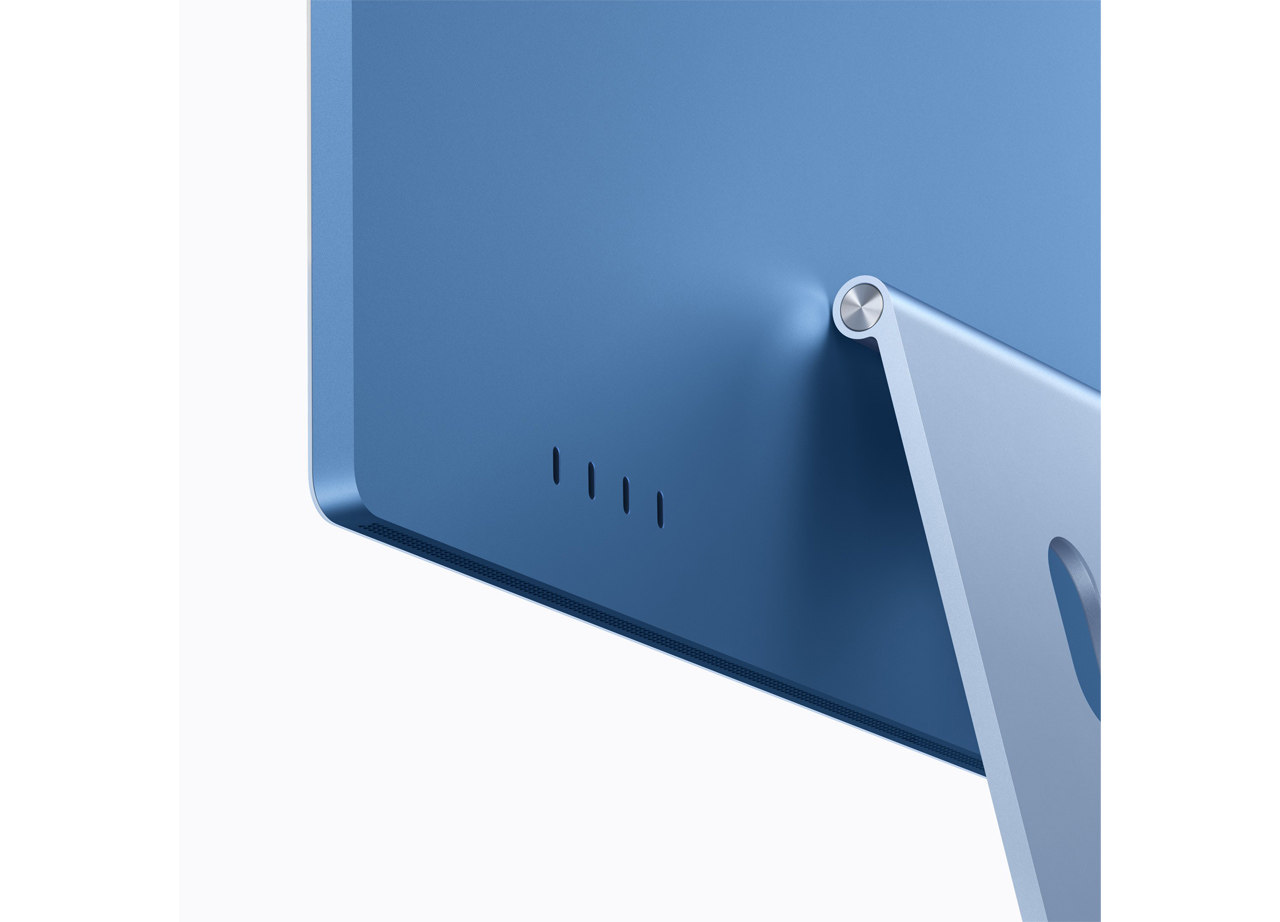
24-inch 4.5K Retina display and camera/audio features
The display is a 24-inch 4.5K Retina display with a resolution of 4,480 x 2,520 pixels, a brightness of 500 nits, and support for P3 wide color gamut and 1 billion colors. For models with a 12-core CPU, Nano-texture glass to reduce reflections is also available as an option.

The camera features a 12MP center-frame camera. In addition to the center-frame function that keeps the person in the frame during video calls, it also supports desk view, which allows users to share an overhead view of their workspace.

The audio system features a 6-speaker system with force-canceling woofers. It supports Dolby Atmos spatial audio and includes a built-in studio-quality 3-microphone array.
Seven body colors and Touch ID compatible accessories
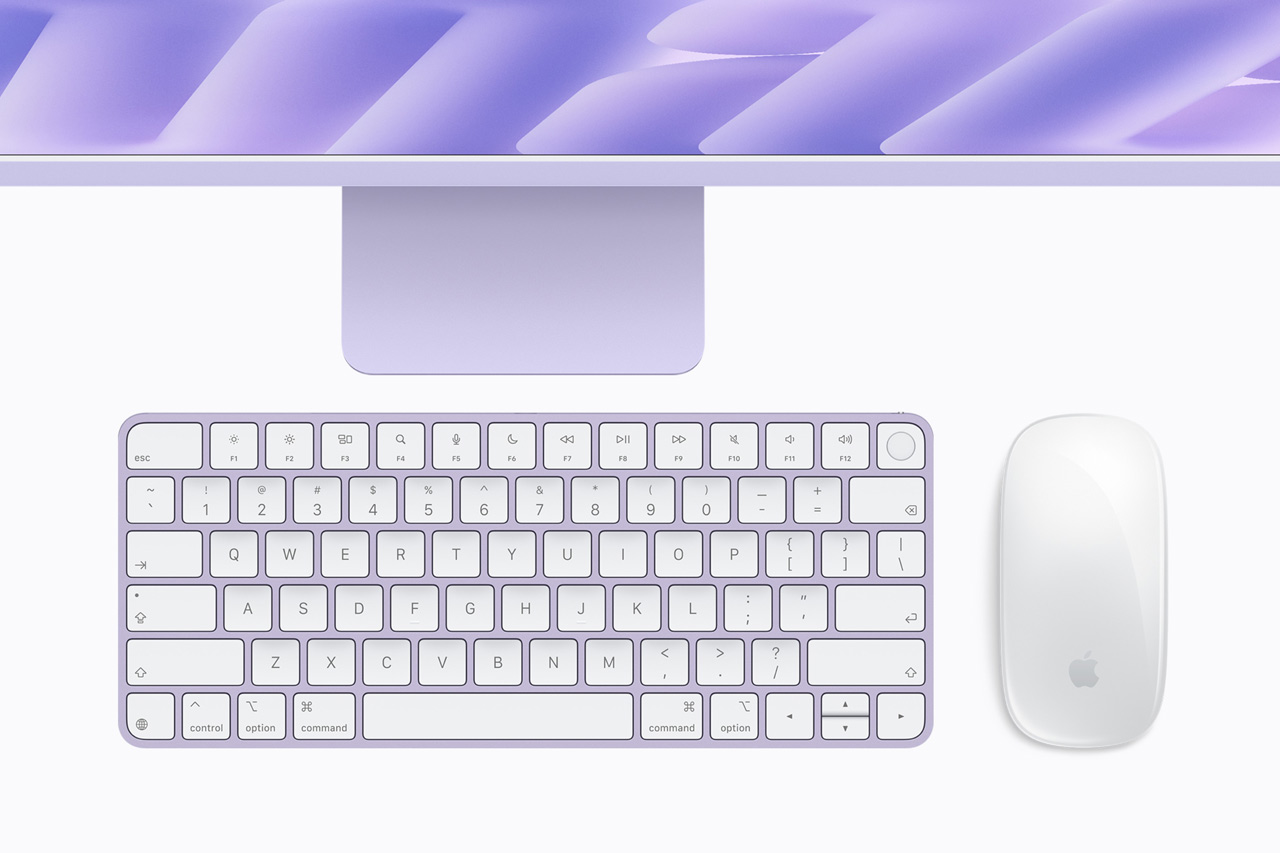
The device comes in seven colors: blue, green, pink, yellow, purple, orange, and silver. A matching Magic Keyboard and Magic Mouse are included, and a Magic Trackpad is available as an option.

The 12-core model comes standard with a Magic Keyboard with Touch ID. The 10-core model comes with a standard Magic Keyboard, with a Magic Keyboard with Touch ID (and numeric keypad) available as an option. Touch ID can be used to unlock the iMac and authenticate with Apple Pay, among other things.
iPhone integration features
It also supports syncing with iPhones, allowing users to share files and photos between devices, transfer work, and mirror their iPhone screen. It also supports initial Mac setup and data migration using an iPhone.

Equipped with macOS 27 Golden Gate
The new iMac comes with macOS 27 Golden Gate. In addition to enhanced features related to Apple Intelligence and Siri AI, it includes improvements to the user interface and search functionality.
Liquid Glass’s design has also been updated, allowing users to adjust transparency and color intensity from the “Settings” menu. App icon display has also been improved, allowing for customization to suit different user environments.
Adoption of recycled materials and environmental initiatives
Apple is making progress in using recycled materials in its new iMacs. The stand is made of 100% recycled aluminum, and all magnets are made from 100% recycled rare earth elements. In addition, all printed circuit boards designed by Apple use 100% recycled gold for plating and 100% recycled tin for soldering.
In the manufacturing process, 40% of the electricity used throughout the entire supply chain is supplied by renewable energy sources such as wind and solar power. The paper packaging uses 100% fiber-derived materials and is designed to be recyclable.
Apple has set a goal of achieving carbon neutrality in its overall carbon footprint by 2030, and the new iMac is positioned as part of that effort.