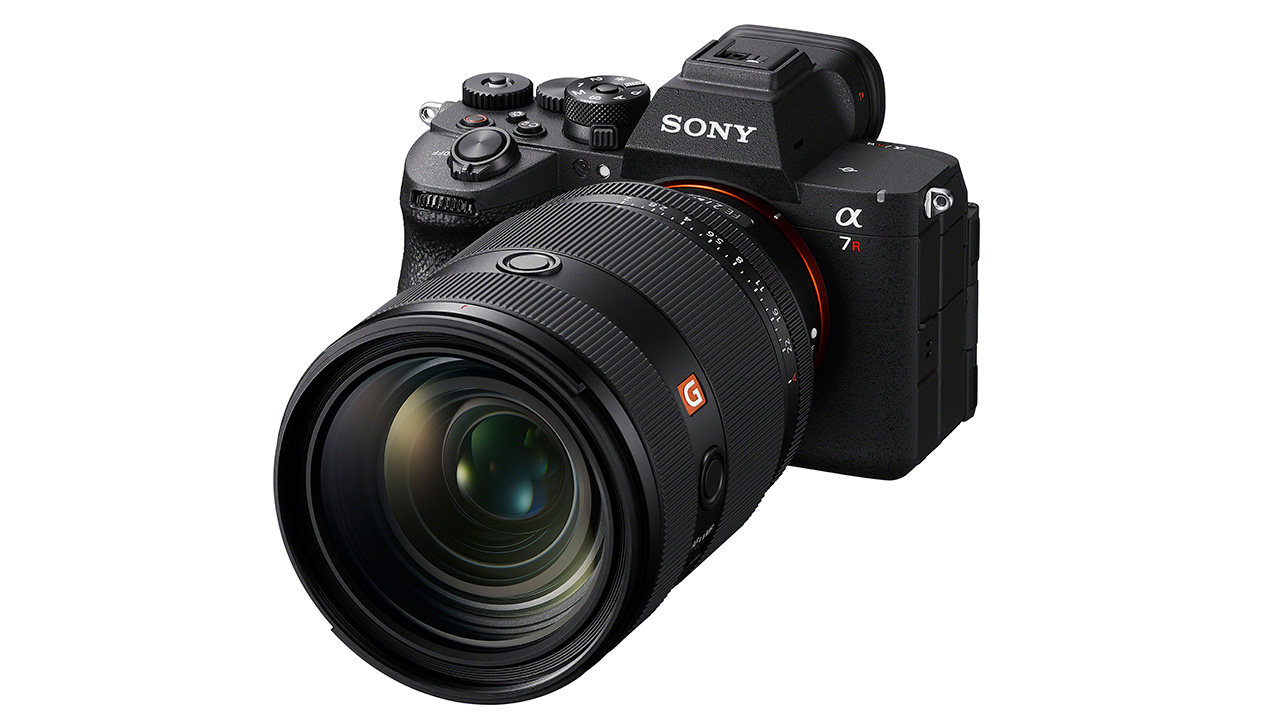
Sony announced the α7R VI, a full-frame mirrorless camera, positioned as a digital mirrorless (FF High body) camera. Pre-orders will begin on May 19th (Tuesday) at 10:00 AM, and the release is scheduled for June 5th (Friday).
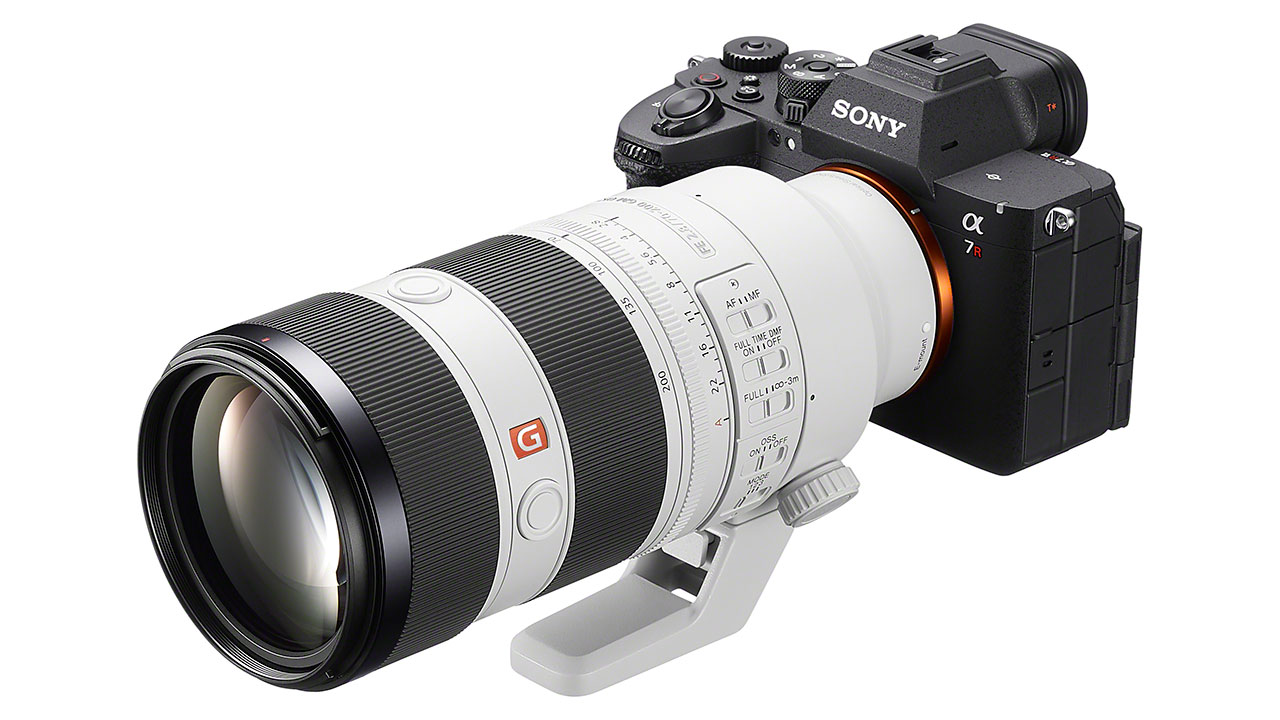
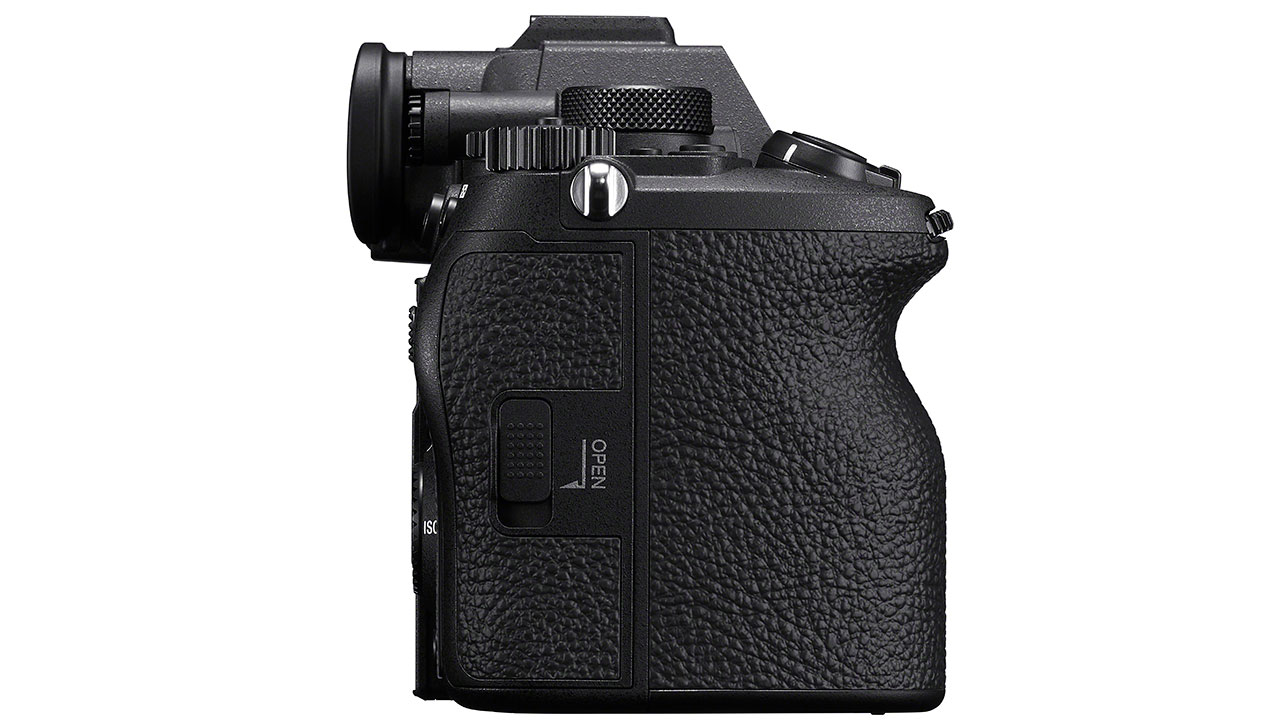
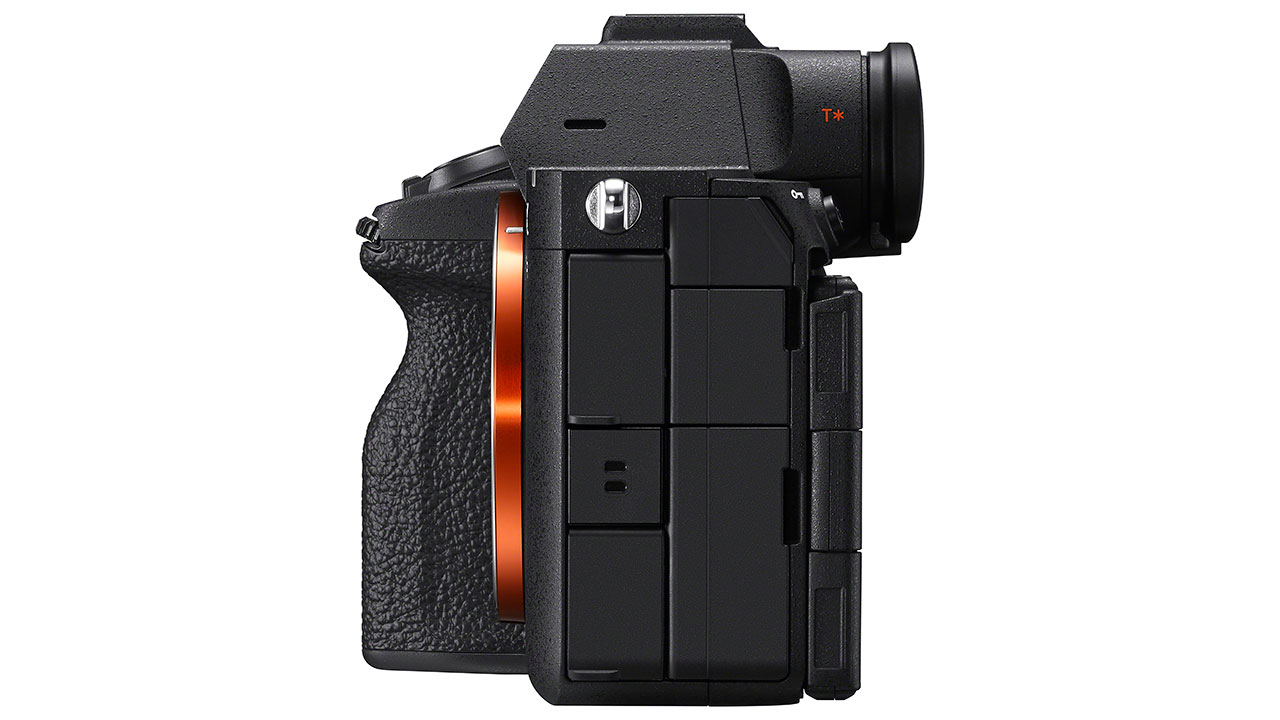
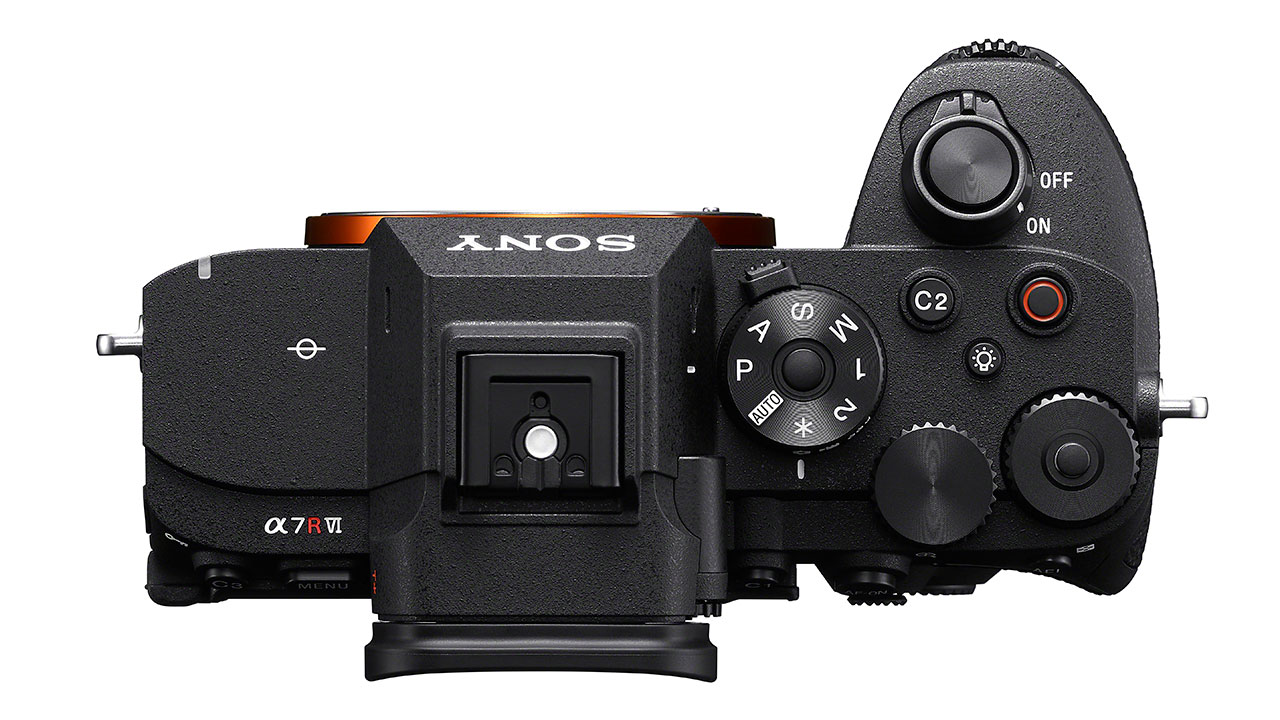
Sony α7R V and Sony α7R VI Comparison Table
| α7R V (2022) | α7R VI (2026) | |
| Image processing engine | BIONZ XR | BIONZ XR2 |
| AI Processing Unit | ||
| Effective pixels (approx.) | 61.0MP back-illuminated | 66.8MP stacked type |
| Maximum ISO sensitivity (when extended) | 102,400 (still images) / 32,000 (videos) | 102,400 (still images) / 32,000 (videos) |
| Creative Presets | Creative Look | Creative Look |
| In-body image stabilization *Complies with CIPA standards | 8.0 steps | 8.5 rows in the center, 7.0 rows around the perimeter |
| Coordinated correction with OSS lenses | Cooperative correction support | Cooperative correction support |
| Composite RAW shooting | Composite RAW shooting and Extended RAW processing supported. | |
| Pixel Shift Multi-Shot | 4-frame and 16-frame motion correction compatible. | 4-frame and 16-frame motion-correction compatible, approximately 265.8 million pixels. |
| Number of ranging points (phase difference detection method) | Maximum 693 points | Maximum 759 points |
| AF | Real-time recognition autofocus | Real-time recognition AF+ |
| Recognition target | People/Animals/Birds/Insects/Cars/Trains/Airplanes | Auto /People/Animals/Birds/Insects/Cars/Trains/Airplanes |
| Maximum continuous shooting speed | 10fps | Mechanical: 10fps Electronics: Blackout-free 30fps Pre-shooting compatible |
| Number of consecutive shots possible | Approximately 184 images (RAW + JPEG) | Approximately 60 images in RAW (compressed, quality priority) + JPEG format. |
| Video correction function and more | Breathing correction | Breathing correction / Dual gain shooting |
| Video recording performance | 4K 60p / 8K 24p | 4K 120p / 8K 30p |
| Video RAW output | 16-bit RAW HDMI output | 16-bit RAW HDMI output |
| Log shooting/HLG/S-Cinetone | S-Log2/3 HLG S-Cinetone | S-Log2/3 HLG S-Cinetone LUT |
| Image stabilization during video recording | Active Mode / Standard | Dynamic Active Mode / Active Mode / Standard |
| Video and audio recording function | LPCM 48kHz 24bit 4ch/2ch | 96kHz 32bit float 4ch/2ch with built-in noise cancellation function |
| Viewfinder performance | Approximately 9.44 million dots, 0.9x Quad XGA EVF, up to 120fps |
High brightness, wide color gamut, approximately 9.44 million dots, 0.9x Quad XGA EVF, up to 120fps |
| LCD monitor | 4-axis multi-angle (horizontal opening/tilt) | 4-axis multi-angle (horizontal opening/tilt) |
| Memory card slot | CFexpress Type A/UHS-II ×2 | CFexpress Type A/UHS-II ×2 |
| Lossless compressed RAW HEIF, uncompressed RAW |
Lossless compressed RAW (L/M/S) HEIF, uncompressed RAW |
Lossless compressed RAW, Compressed (image quality priority) uncompressed RAW, HEIF |
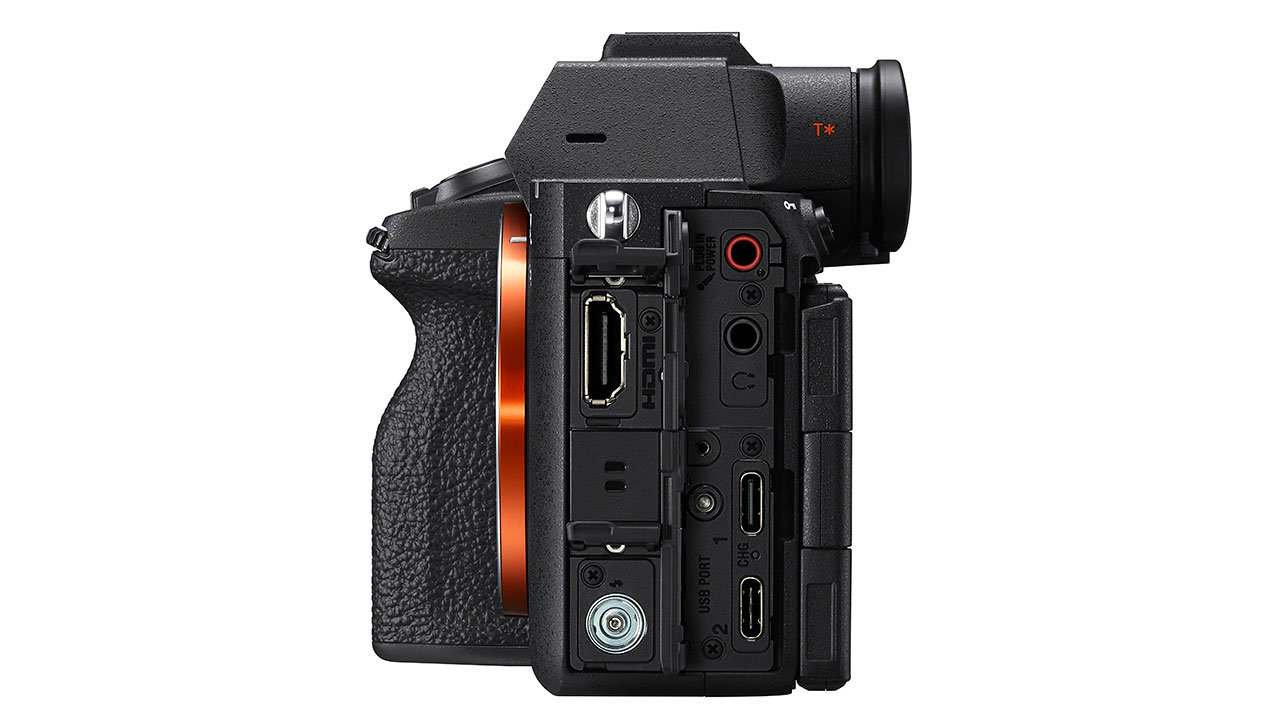
| USB port | Multi-port + Type-C (USB 3.2 Gen2) | Type-C ×2 (USB 3.2 Gen2 + USB 2.0) |
| Internal charging and power supply | Charging and power supply (Type-C PD compatible) | Charging/Power Supply (Type-C PD compatible) x 2 |
| HDMI port | HDMI Type A | HDMI Type A |
| MiShoe/Synchro Terminal | Digital compatible Mi shoe 4ch/sync | 32-bit digital compatible Mi shoe 4ch/sync |
| Wi-Fi, wired LAN | Wi-Fi 5GHz (2×2)/2.4GHz/LAN | Wi-Fi 6 compatible, 6GHz/5GHz (2×2)/2.4GHz/LAN |
| Bluetooth/NFC | Bluetooth always connected | Bluetooth always connected |
| battery | NP-FZ100 | NP-SA100 |
| Number of still images that can be taken | 530 sheets | 710 sheets |
Sony α7R VI – a Refresh of the 66.8mp line
The α7R VI employs a newly developed 66.8-megapixel 35mm full-frame stacked CMOS image sensor, “Exmor RS.” This achieves both overwhelmingly high-resolution image rendering and high-speed readout. The previous model, the α7R V, was equipped with a 61-megapixel back-illuminated “Exmor R” sensor, but this has been replaced with a stacked sensor in this model. This has resulted in an overall improvement in processing performance and a significant increase in data readout speed.
The introduction of this new sensor achieves a wide dynamic range of up to approximately 16 stops. Even in environments with extreme differences in brightness, it is possible to maintain natural gradations from shadows to highlights and record without compromising the depiction of the subject’s texture. The image processing engine is newly equipped with “BIONZ XR2”. This is a configuration that integrates the conventional “BIONZ XR” with an AI processing unit, contributing not only to subject recognition capabilities and image processing performance, but also to improved communication connectivity and operational response.
AF Functionality
In terms of autofocus (AF) functionality, the Sony α7R VI now supports the advanced “Real-time Recognition AF+”, further enhancing subject tracking accuracy. In addition, it features an AI-powered auto white balance function, enabling faithful and natural color reproduction in a variety of shooting environments. For video performance, it supports 4K 120p and 8K 30p recording, and newly supports 32-bit float audio recording. These powerful enhancements go beyond still photography, aiming towards professional video production.

Newly developed stacked image sensor Exmor RS
The power to capture even the smallest details.
This camera achieves a wide dynamic range through the combination of the newly developed stacked image sensor “Exmor RS” and the image processing engine “BIONZ XR2”. When shooting still images, it supports up to approximately 16 stops of tonal gradation, making it easier to maintain natural tones from shadows to highlights.

Noise reduction processing has also been optimized, resulting in smoother tonal gradation and improved editing tolerance. The design leverages the high-resolution sensor’s rendering capabilities while also considering the range of adjustments needed during post-processing.
Image Stability
The image stabilization function offers 8.5 stops of correction in the center and 7.0 stops at the edges. A key feature is its support for minute, pixel-level blur correction, maximizing the high resolution performance of approximately 66.8 megapixels. When using compatible lenses, coordinated correction with the camera body is also available, improving stability during high-definition shooting.
The correction mechanism employs a high-precision image stabilization unit. By combining a gyro sensor with an optimized algorithm, improved correction performance is achieved.
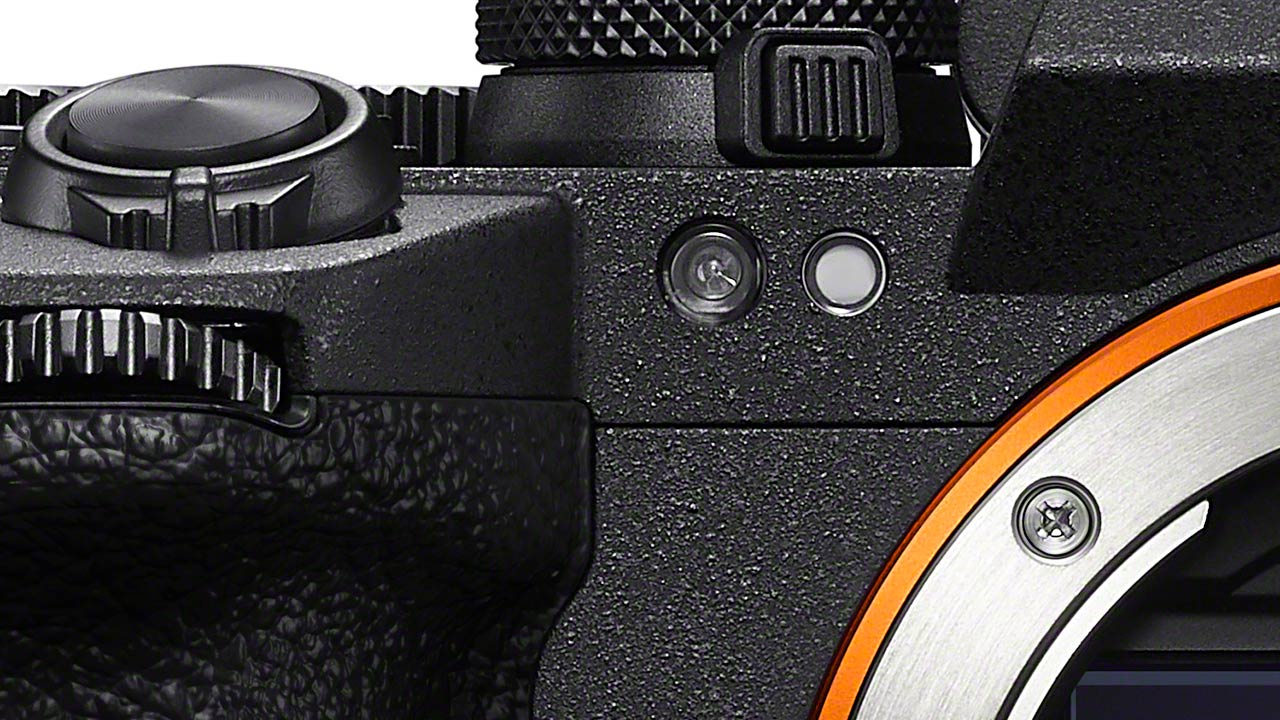
Color reproduction performance has also been improved. The camera features a visible light + IR sensor on the front, which detects changes in ambient light during shooting, enabling stable auto white balance control.
Furthermore, deep learning technology is employed in the process of estimating the light source color. By utilizing AI processing, the accuracy of auto white balance is improved, resulting in more natural and faithful color reproduction.
Imaging Functionality
In the image creation functions, the D-Range Optimizer can now be set up to Level 8, allowing for fine-tuned tonal control even in backlit or high-contrast scenes. FL2 and FL3 have been added to the Creative Looks, bringing the total number of presets to 12. Each look allows for detailed adjustment of contrast, saturation, and other settings, and can also be saved as a “Custom Look.”
Taking advantage of its high-resolution sensor, the camera also supports pixel shift multi-shooting. By acquiring color information from all pixels, it can generate ultra-high-resolution images equivalent to approximately 265.8 million pixels. In addition, composite RAW shooting, which combines noise reduction shooting settings and HDR shooting settings, is also available.
Furthermore, the Sony α7R VI supports the “Extended RAW” processing feature included in “Imaging Edge Desktop,” enabling the use of “Extended NR,” which reduces noise while maintaining resolution, and “Extended Hi-Res,” which expands the pixel information to approximately four times its original size.
High-speed performance that captures and renders a single moment with high precision.
Significant improvements have also been made to the AF performance. Equipped with Real-time Recognition AF+ and a revamped person recognition algorithm, it achieves stable subject recognition even in scenes where multiple people are in the frame. It can track the faces and eyes of small subjects at a distance, and is designed to quickly re-recognize subjects even if they are temporarily hidden by obstacles.
The phase-detection autofocus system employs up to 759 points, covering approximately 94% of the image area. It performs well in low-light environments, supporting high-precision autofocus even in EV-5.0 conditions when using AF-S mode. AF operation is possible even when using bright monitoring, and autofocus can be used down to EV-11 in low-light environments.
For high-speed shooting performance, the Sony α7R VI supports blackout-free continuous shooting at up to 30 frames per second with AF/AE tracking. The viewfinder display remains stable, making it easy to track subjects while shooting. It also features a pre-shooting function that allows you to record the moment just before pressing the shutter button. Furthermore, it supports “continuous shooting speed boost,” which switches to high-speed continuous shooting only when necessary, improving shooting efficiency.
Blackout-free continuous shooting at up to 30fps
| α7RV | α7RVI | α1II | |
| Maximum number of continuous shots (when using electronic shutter) | 7 (12-bit) | 30 (12/14 bits) | 30 (14-bit) |
| Maximum number of continuous shots (when using the mechanical shutter) | 10 (12 bits) | 10 (14-bit) | 10 (14-bit) |
| Blackout-free continuous shooting | – | ✓ | ✓ |
| AF/AE calculation | Not disclosed | 60 times/sec | 120 times/sec |
| Anti-distortion shutter | – | – | ✓ |
| Read speed | slow | Faster than the α7R V, slower than the α1 II |
high speed |
High-definition video expression
In terms of video performance, it supports 8K 30p and 4K 120p recording. 8K shooting at full-frame uses 8.2K oversampling, while 4K shooting utilizes 5.0K oversampling to produce high-definition images. In Super 35mm mode, 6.3K oversampling is available for 4K 60p and 4K 30p/24p, allowing users to switch between full-frame and Super 35mm depending on their needs.

The video features support All-I recording, 4:2:2 10-bit recording, and 32-bit float audio recording. In addition, it incorporates a dual-gain shooting function during video recording, expanding the dynamic range in shadow areas to achieve low noise and smooth tonal gradation. This feature is only available in 4K settings and is positioned as a function for subjects with little movement, such as landscapes.
Image stabilization during video recording has also been enhanced. It features a “Dynamic Active Mode” to improve stability during walking or moving shots. Framing correction and auto-framing functions are also supported, making it suitable for solo video recording and recording environments involving movement. The stabilization function is also available during 4K 120p recording.
High mobility and maneuverability
The camera employs a newly developed electronic viewfinder. It supports high-definition display with approximately 9.44 million dots and achieves approximately three times the brightness of conventional models. It also supports HDR display, DCI-P3 equivalent wide color gamut display, and 10-bit gradation display, making it easy to check subjects in both still images and videos.

The rear monitor employs a 4-axis multi-angle LCD. By combining tilt and vari-angle structures, it can accommodate a wide range of shooting positions, including vertical, low-angle, and high-altitude shooting. In actual demonstrations, the range of motion was highly flexible, and it gave the impression of being easy to use for both still images and videos.

To accommodate long video recording sessions, the camera also features a body structure with enhanced heat dissipation. At a room temperature of 25°C, it supports approximately 120 minutes of continuous recording in each of the “XAVC S HD,” “XAVC S 4K,” and “XAVC HS 8K” recording formats. Even at a room temperature of 40°C, it is possible to record for approximately 120 minutes in “XAVC S HD,” approximately 60 minutes in “XAVC S 4K,” and approximately 20 minutes in “XAVC HS 8K.”
| XAVC S HD | XAVC S 4K | XAVC HS 8K | |
| Room temperature 25℃ | Approximately 120 minutes | Approximately 120 minutes | Approximately 120 minutes |
| Room temperature 40℃ | Approximately 120 minutes | Approximately 60 minutes | Approximately 20 minutes |
XAVC HS 8K 30p 200M 4:2:0 10bit
HAVC S4K60p 150M/50p 150M 4:2:0 8bit
XAVC S HD: 60p 50M/50p 50M 4:2:0 8bit
*Both Wi-Fi OFF, CFexpress Type A When using, automatic power OFF temperature [high], when deploying the monitor, when running on battery
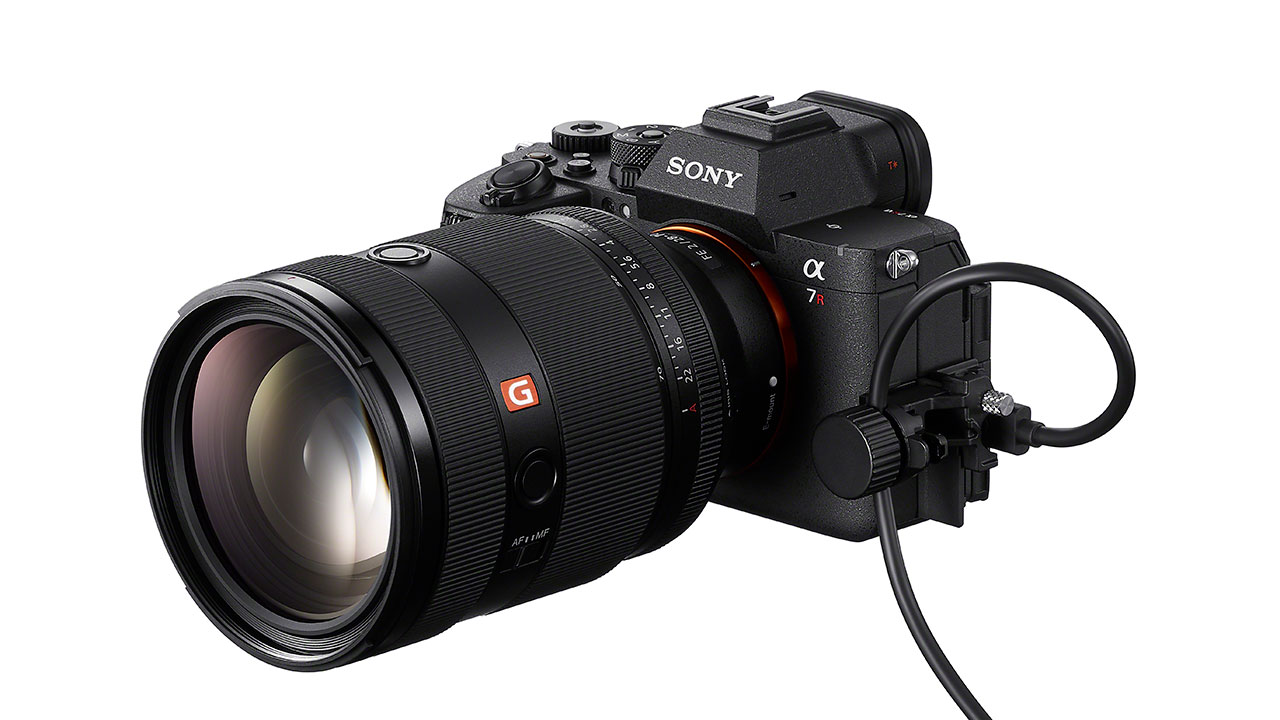
The body structure utilizes a magnesium alloy, ensuring high rigidity from the top cover and front cover to the internal frame. The design also prioritizes dust and splash resistance, and the lens mount uses six screws for enhanced rigidity. The design is also optimized for use with super-telephoto lenses.
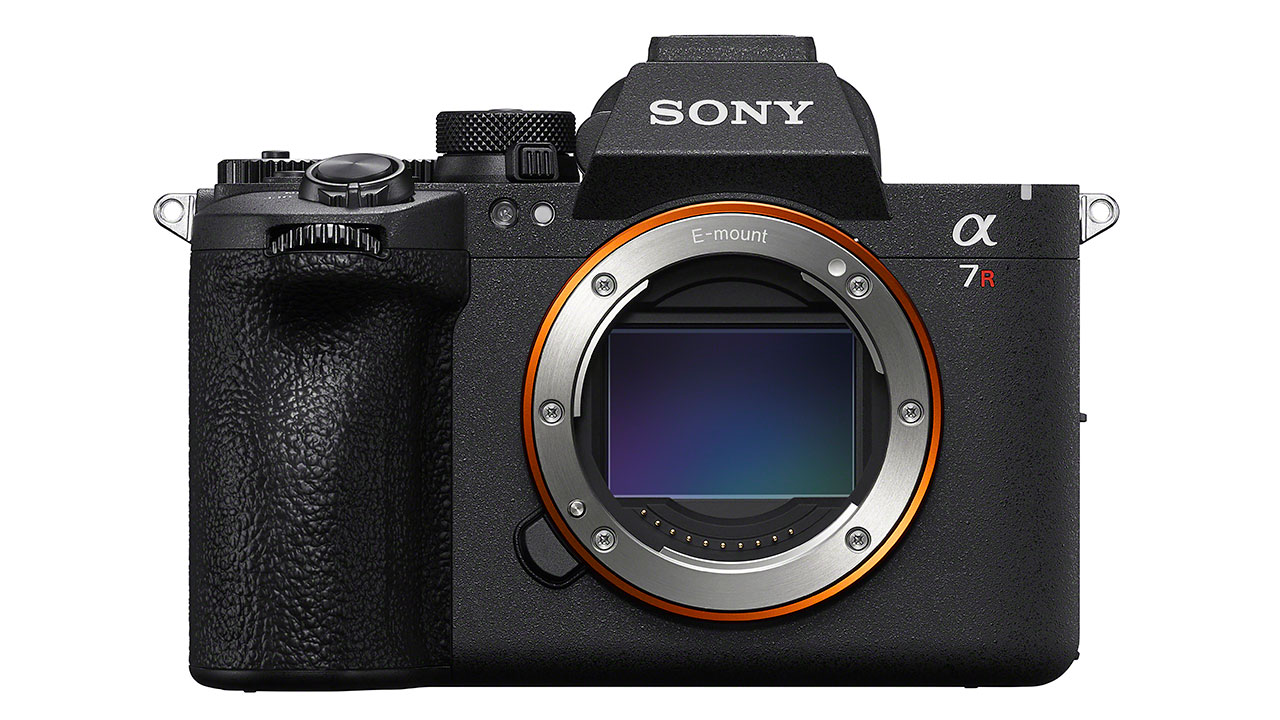
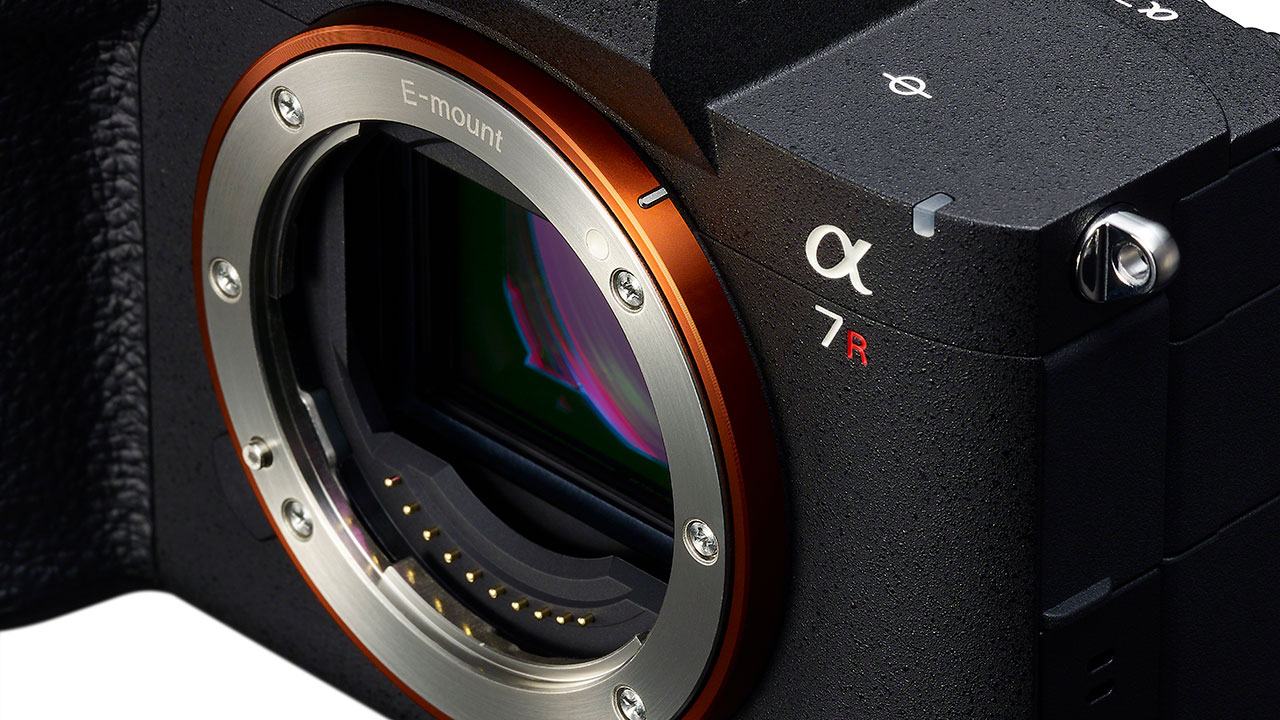
In terms of usability, subtle accessibility improvements have also been made. The mount features a marking system that makes it easy to confirm the lens change position even in dark places. It also includes a tally lamp to check the shooting status and rear control buttons with illumination that light up in dark places.

Furthermore, it supports a “shutter when power is off” function and an ultrasonic vibration sensor cleaning function. This design minimizes dust accumulation on the sensor while also improving maintainability when using interchangeable lenses.