NAB2026 Exhibition Report
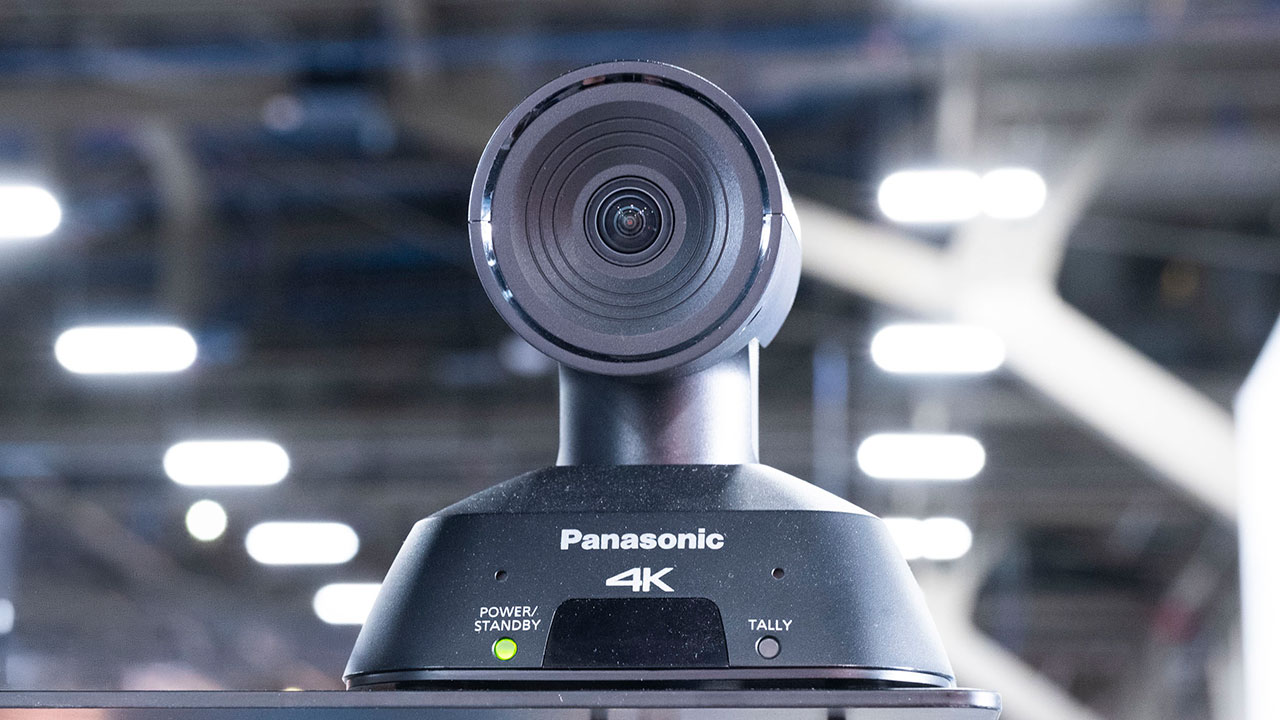
At the Panasonic booth at NAB 2026, their latest remote camera, the “AW-UE5,” caught our attention. It’s positioned as the most accessible entry-level product in the lineup offered by the company, which boasts a large market share in the high-end segment.
This model, the first refresh in approximately 6-7 years since the current “AW-UE4,” retains the exterior design of its predecessor, but its internal functions have undergone a significant evolution with practical use in mind.
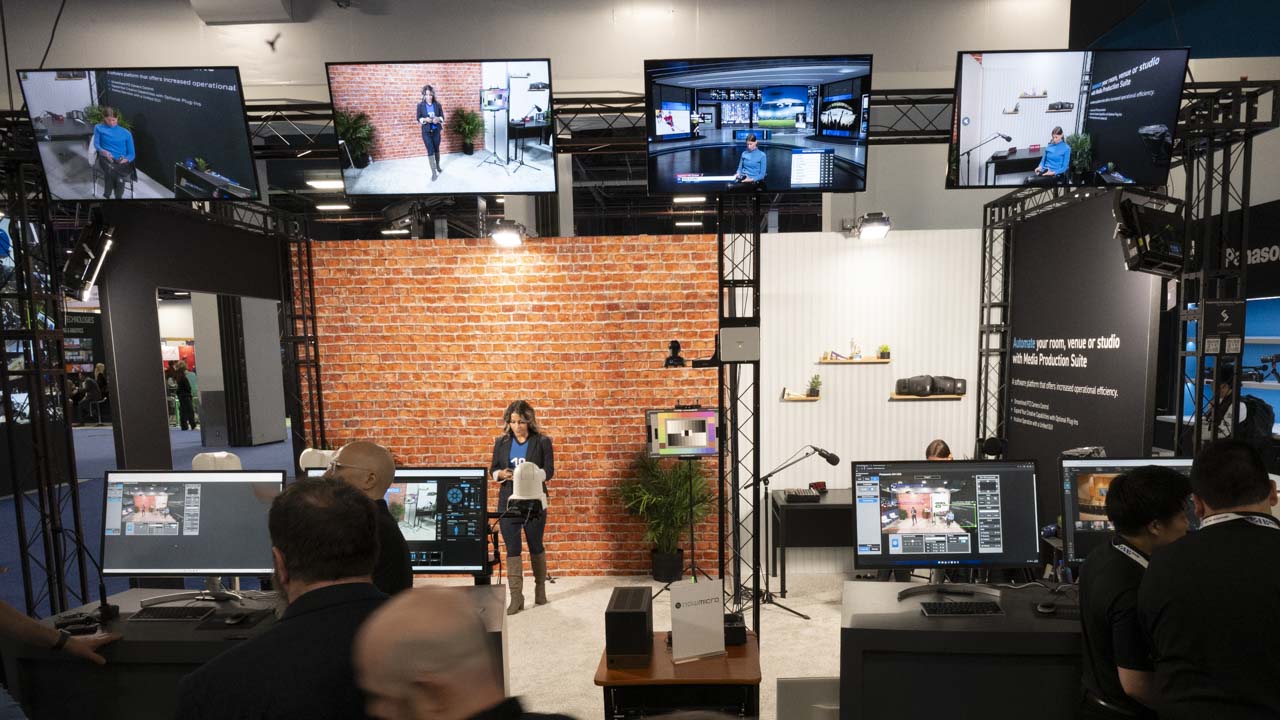
Panasonic’s remote cameras are mainly comprised of three classes: high-end models for broadcasters, standard models, and entry-level models that are easy to implement. The AW-UE5 is positioned as an entry-level model that forms the foundation of the lineup. Equipped with a new generation 1/2.8-inch 4K sensor, it is a successor to the long-loved AW-UE4.
Main specifications: Comparison of Panasonic AW-UE4 and AW-UE5
| AW-UE4 | AW-UE5 | |
| Suggested retail price (excluding tax) | 156,600 yen | Similar price range to the AW-UE4 (expected) |
| sensor | 1/2.5″ 4K | 1/2.8″ 4K |
| Resolution/Frame Rate | 4K/30p 1080/60p |
4K/60p 4K/30p 1080/60p |
| zoom | ePTZ 4x | ePTZ 5x (operates in settings other than 4K/60P and 50P) |
| FoV (horizontal) | 111° | 121° |
| Video output | HDMI USB IP |
HDMI USB IP |
| IP video streaming | RTMP/RTMPS, RTP/RTSP | NDI®HX2, NDI®HX3* RTMP/RTMPS, RTP/RTSP |
| Built-in audio | 2x | 2x |
| AI function | – | Groove Framing, Brisset Framing (operates in settings other than 4K, 60P, and 50P) |
Spatial coverage provided by a 121° ultra-wide angle lens.
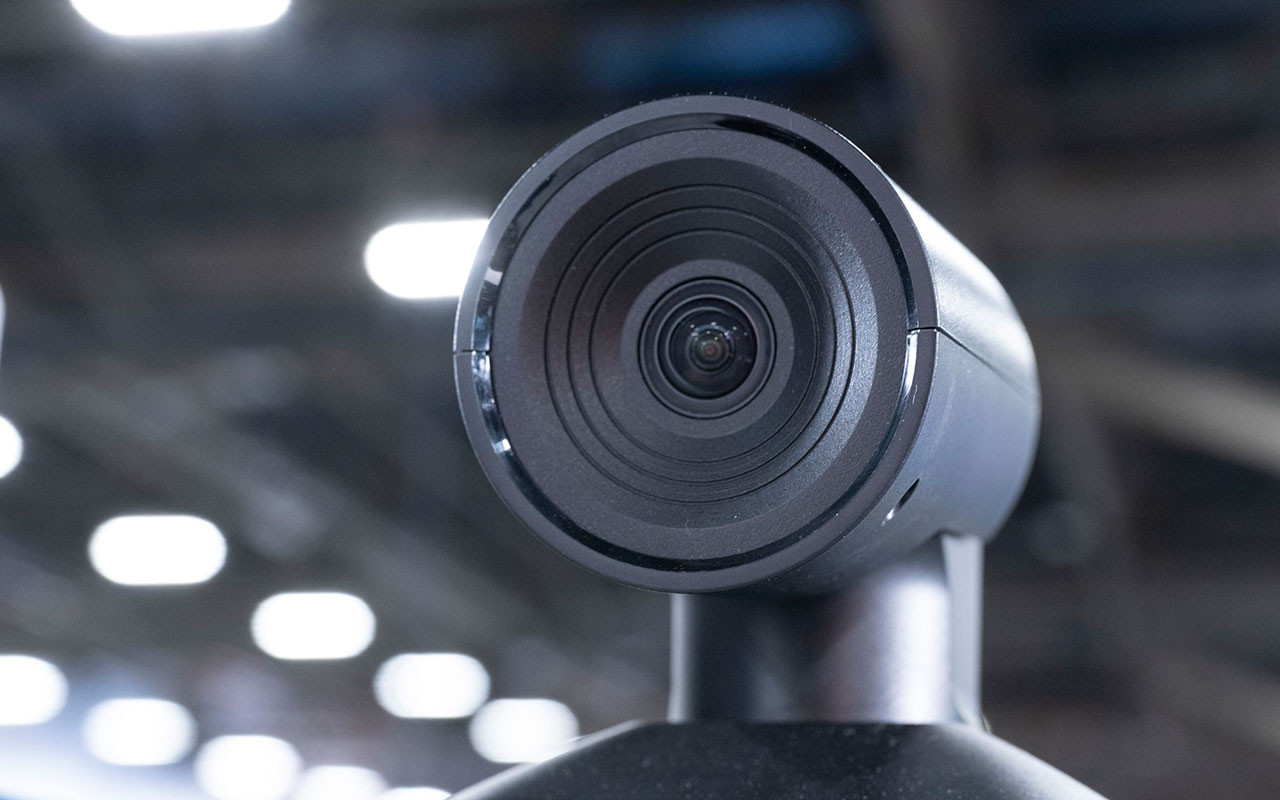
Let’s take a look at the main features of the AW-UE5 in order. First, what stands out is the enhanced wide field of view. Compared to previous models, the horizontal field of view has been widened, achieving an ultra-wide 121° horizontal viewing angle.
Simultaneous output and 4K support support operational efficiency
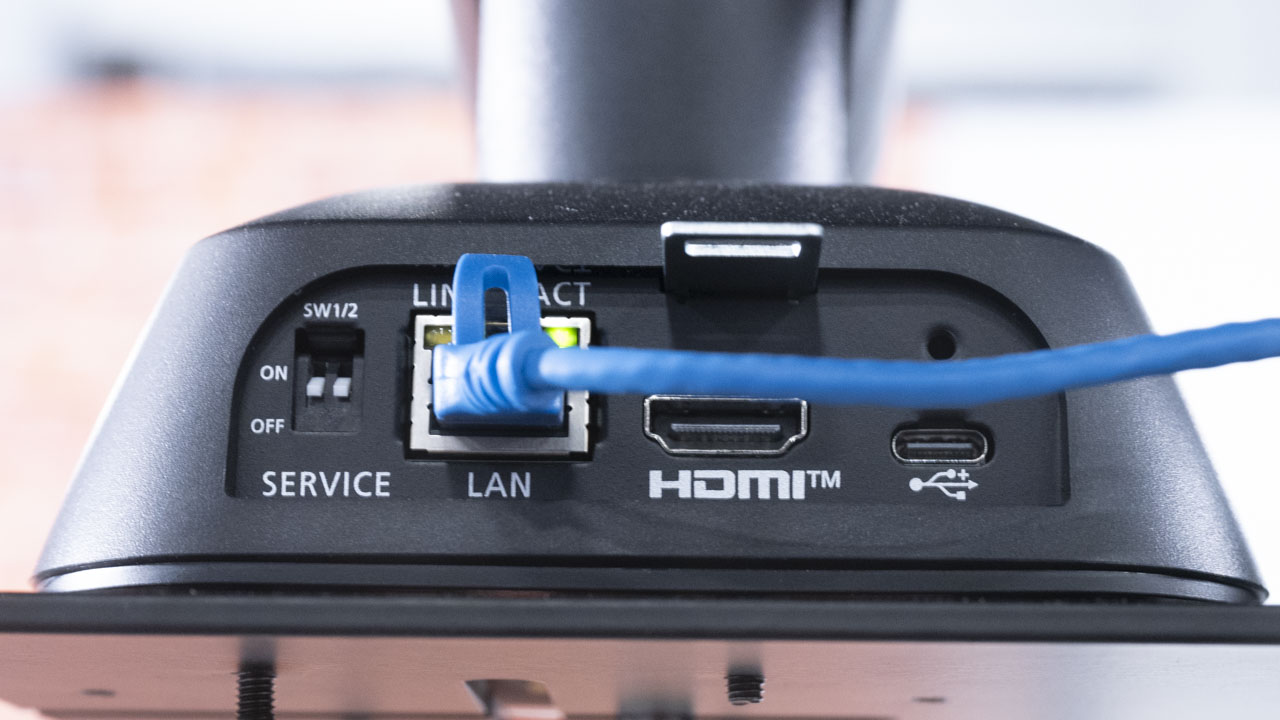
The second key feature is its enhanced 4K output performance. It supports smooth frame rates of up to 4K/60p and 50p, making it suitable for integration into professional video systems. Furthermore, in addition to simultaneous output via HDMI, IP, and USB, it also supports IP streaming standards such as NDI®HX2 and NDI®HX3*, which is a significant advantage.
In other words, it becomes possible to simultaneously use a single camera for monitor output, IP-based switcher connection, and web conferencing input. NDI support contributes to system simplification and is a key element in building flexible workflows.
* NDI® is a video transmission and control technology and is a registered trademark of Vizrt NDI AB in the United States and other countries.
Automated shooting with AI framing
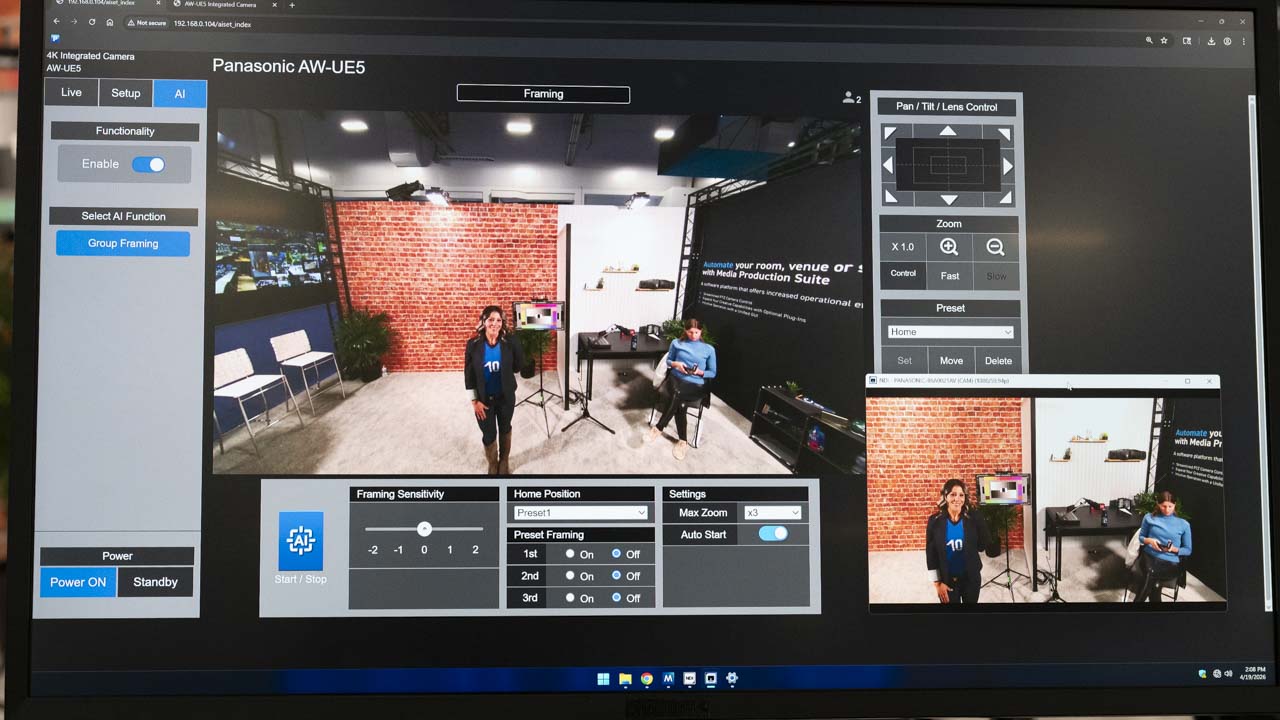
The third feature is the AI-powered automatic framing function. This camera comes equipped with two types of framing: “group framing” and “preset framing,” which promote the automation of the shooting process.
Group framing tracks a single subject if there is only one person, and automatically adjusts the composition to include all people if there are multiple people. Preset framing, on the other hand, is a function that instantly switches to a specified composition when a person enters a pre-defined area.
When the subject leaves the area, the system automatically reverts to group framing. This behavior of switching compositions according to the situation is highly effective in practical use. In particular, it is a practical means of compensating for a lack of human resources on set with a small number of people.
The dedicated GUI allows you to set up to three presets, and the framing sensitivity can be adjusted in five steps. Furthermore, it includes a function to limit the digital zoom magnification to 3x or 5x, supporting operation while maintaining image quality.

Cameras that reveal their value when combined with other elements
Panasonic suggests that one example of how to use the AW-UE5 is in conjunction with other cameras. For example, when filming a school classroom, the AW-UE40, with its zoom capabilities ranging from approximately 74.1° (wide end) to approximately 3.3° (telephoto end), can be used to precisely capture the speaker’s facial expressions and the details of the blackboard. On the other hand, the AW-UE5’s ultra-wide lens can be used to secure an overhead view of the entire classroom that other models cannot cover. By switching between these using a switcher, it is possible to create an operational system that can freely provide viewers with two diverse angles of view.
In large-scale meetings and seminars, this setup allows for a comprehensive overview while simultaneously switching to close-ups of speakers as needed. This configuration, leveraging the unique characteristics of each camera, creates a richer visual experience that a single camera cannot achieve. The AW-UE5 is a camera whose value lies not in its individual performance, but in the optimization of the entire system.