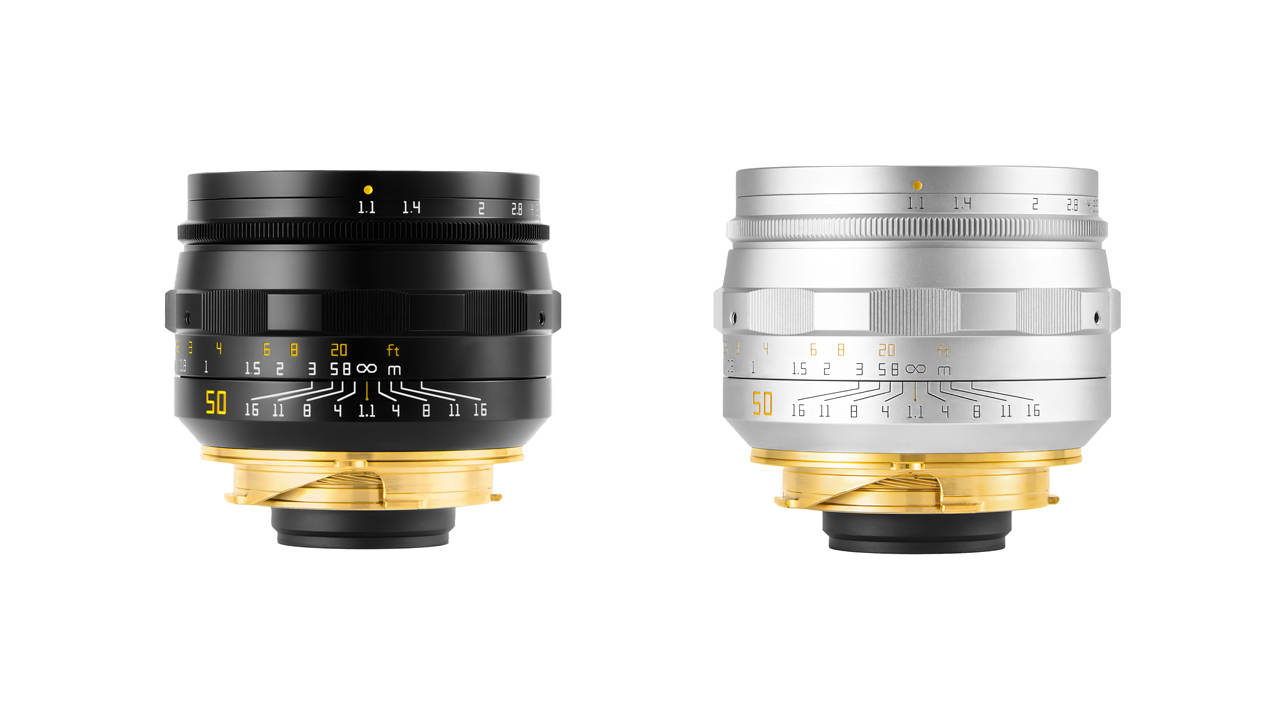
Tilta unveiled the Nucleus Autofocus Adapter, which brings autofocus functionality to manual lenses.
While classic lenses retain their appeal, manual operation has been a challenge. This new product transmits the camera’s phase-detection AF information to the Nucleus-M II motor via the lens adapter, enabling autofocus. This unlocks the potential of any manual lens and provides a more efficient workflow.
How does the Tilta Nucleus Autofocus Adapter work?
In this age of self-expression, the unique image quality of vintage and manual cinema lenses has the power to captivate audiences. However, despite their emotional appeal, the reality is that many filmmakers are hesitant to use them on set due to the complexity and difficulty of manual operation.
The new solution announced by Tilta is a groundbreaking attempt to solve this long-standing dilemma, breaking away from the closed ecosystems of major manufacturers and breathing new life into the soul of classic optics, ushering in a new era of imaging expression.
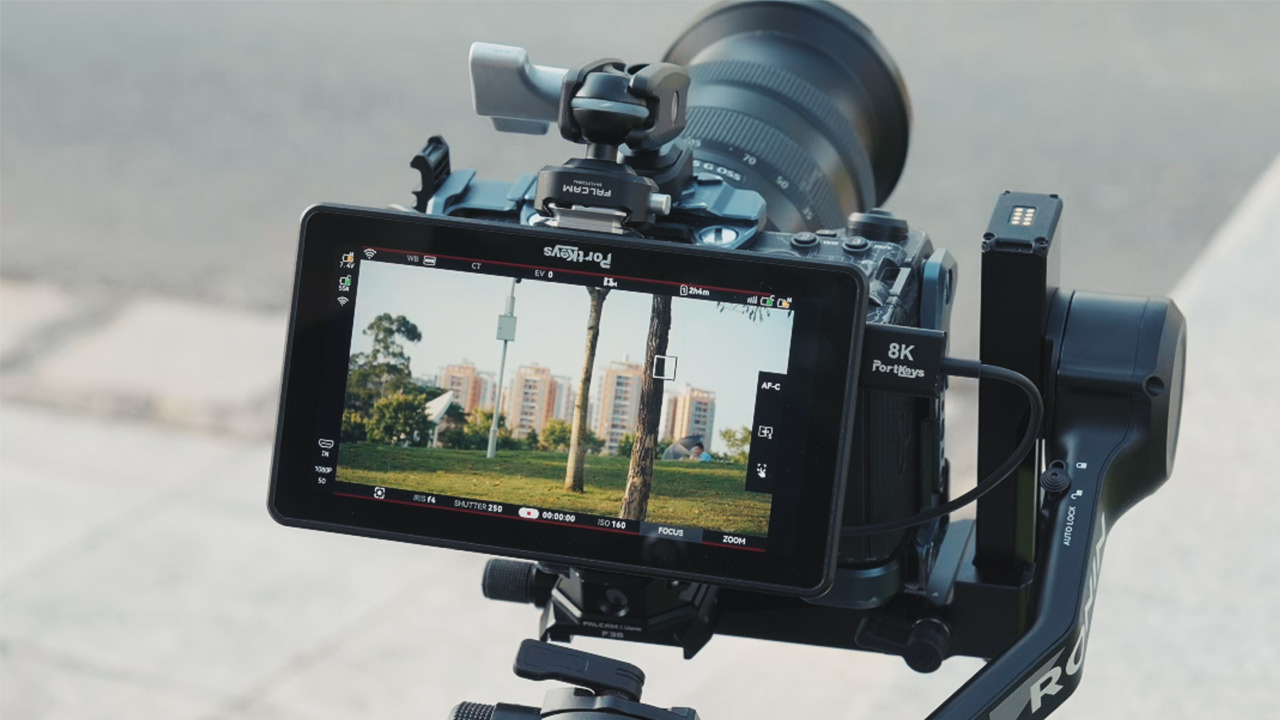
At the heart of this new system is the combination of the camera’s phase detection autofocus technology and Tilta’s precision wireless lens control system, Nucleus-M II.
The Nucleus-M II motor receives autofocus information directly from the camera sensor via an innovative lens adapter mount, enabling agile autofocus with manual lenses that was previously impossible.
This new integration will breathe new life into all your manual lenses, bringing a more agile and efficient workflow to the set. More official information about this upcoming system will be released soon.