This lens was incredibly fun.
I am sacrificing what YOAST advises to boost this review’s SEO to emphasize this from the very beginning. This lens was unreal levels of fun.
The Tamron 16-30mm f/2.8 Di III VXG G2 is a fast, compact, and versatile wide-angle full-frame zoom lens that I had the pleasure of testing out this month. With the Z mount version attached to my Nikon Zf, I decided to take the lens around my scenic neighborhood in Kamakura and test out many sample cases one might see for such an odd zoom range.

The Tamron 16-30mm f/2.8 for the Z Mount
Let’s first look at the lens itself.

The Tamron 16-30mm f/2.8 for the Z Mount comes with a function button, a singular multipurpose ring (I didn’t change it from its standard focus setting), and of course the zoom setting. I changed the function button to highlight focus in red.

The lens didn’t weigh much at all. Actually, I think it weighed about the same as the 50mm f/1.4 lens I tested last year. Zoom functions are completely contained within the lens barrel itself; the lens size doesn’t change at all. That, in itself, is a huge advantage.

One of the biggest advantages for this lens is the very small flange distance (that’s the distance between the back of the lens and the sensor) that comes with the Z mount system. I might be wrong in this assumption but a larger flange distance increases the probability of vignetting, especially with wide angle and/or zoom lenses. This wide angle zoom lens, therefore, on paper, should have some vignetting at a higher f stop. The Tamron 16-30mm f/2.8 vignetting is at a minimum even in automatic mode. That’s a massive advantage for the Z mount system.

The thread diameter for the filter is 67mm. This thread works for a variety of filters and doesn’t impact the lens itself.
Here are some more photos of the Tamron 16-30mm f/2.8.


The widest angle

16mm focal lengths are very uncommon in full-frame systems. One would probably imagine this lens being an APS-C lens with these focal length stats, but no, this is indeed a super-wide-angle lens at its furthest focal length. At 16mm, there is a discernible parallax for objects closer up, but surprisingly, the pulling isn’t so pronounced, and the entirety of those subjects remains in focus. Sometimes, wide angle lenses have issues focusing in on closer-up subjects. This lens doesn’t have such an issue.
Additionally, for me personally, the most surprising thing I discovered in the Tamron 16-30mm f/2.8 in the first 10 minutes of me playing with it, was the very close focal distance. At 16mm, the minimum distance is 0.19mm. The distance is 0.3mm at the 30mm setting.
Another interesting feature for the Tamron 16-30mm f/2.8 is how stable this lens is. If you recall the previous Tamron lens I reviewed, it wasn’t so stable in windy conditions. The Tamron 16-30mm f/2.8 has zero issues with stability, on the contrast. Even with my Zf set to a slower shutter speed, the stability of the full-frame Zf and the stability of this lens remains.
Shooting at 30mm
Compared to the 35mm lenses I tested recently, this is slightly wider, but the images are still quite impressive. You can get some interesting shots from this. It’s all about how creative you want to be at the end of the day.
Comparative Photos Taken at Both Zoom Ranges
Let’s examine a few series of comparative photos. I took these with the same settings – same ISO, f/ stop, and shutter speed.


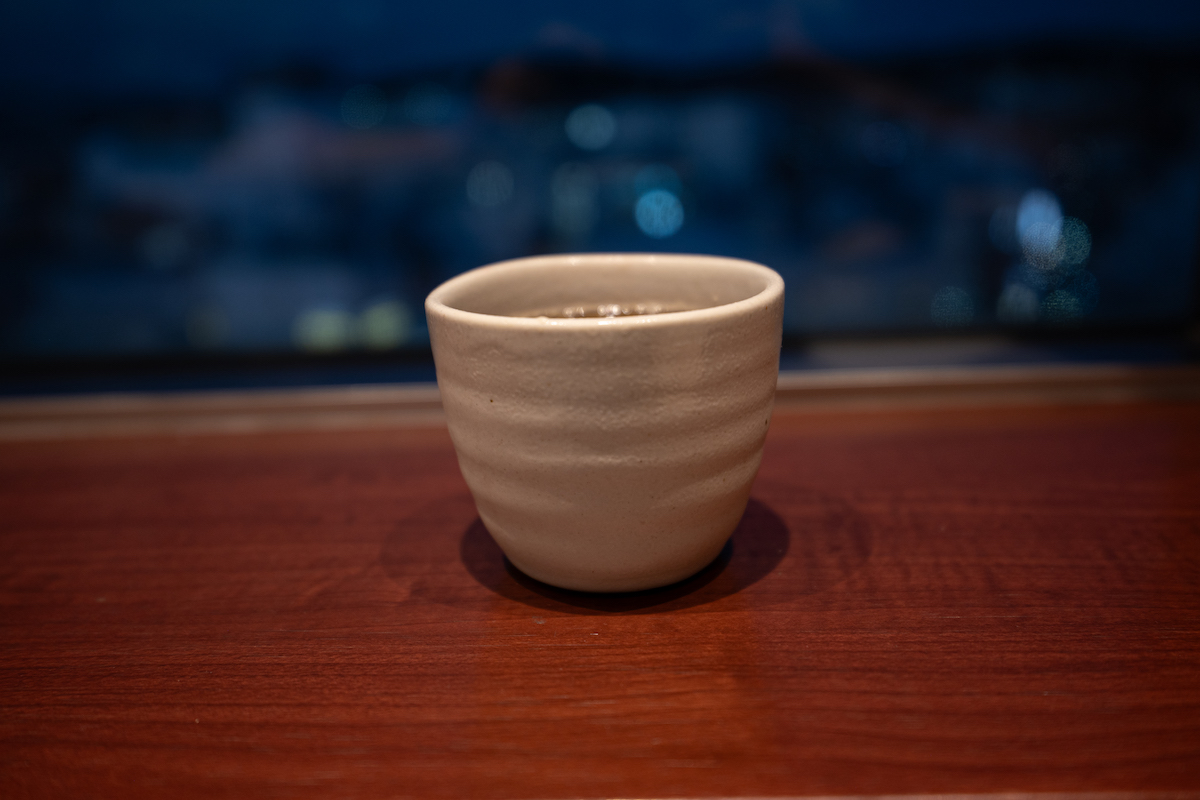

The two above I took from the windowsill of an office in Omotesando.
Having the internalized zoom, in my opinion, allows for more versatile shooting. Not to mention, keeping the same shooting settings makes this lens much more fun to experiment with!


These two were taken at sunset with the aperture at f/22. We will have more low-light shots later in this article!
The Tamron 16-30mm f/2.8 Autofocus

Tamron often boasts in their PR about the AF capabilities of their lenses. Let me just say that this one indeed was fast and accurate, even with such a wide angle. I think part of that performance is due to the fact this is indeed a faster lens, but important for me is that when I took a burst, the focus maintained even as I moved the camera and the subject also moved. Additionally, there’s no noticeable “lag” with the Tamron 16-30mm f/2.8. When I ordered a subject in focus on my Zf, it acted immediately. Using the function button as the focus indicator helped a lot with such a wide angle, too.
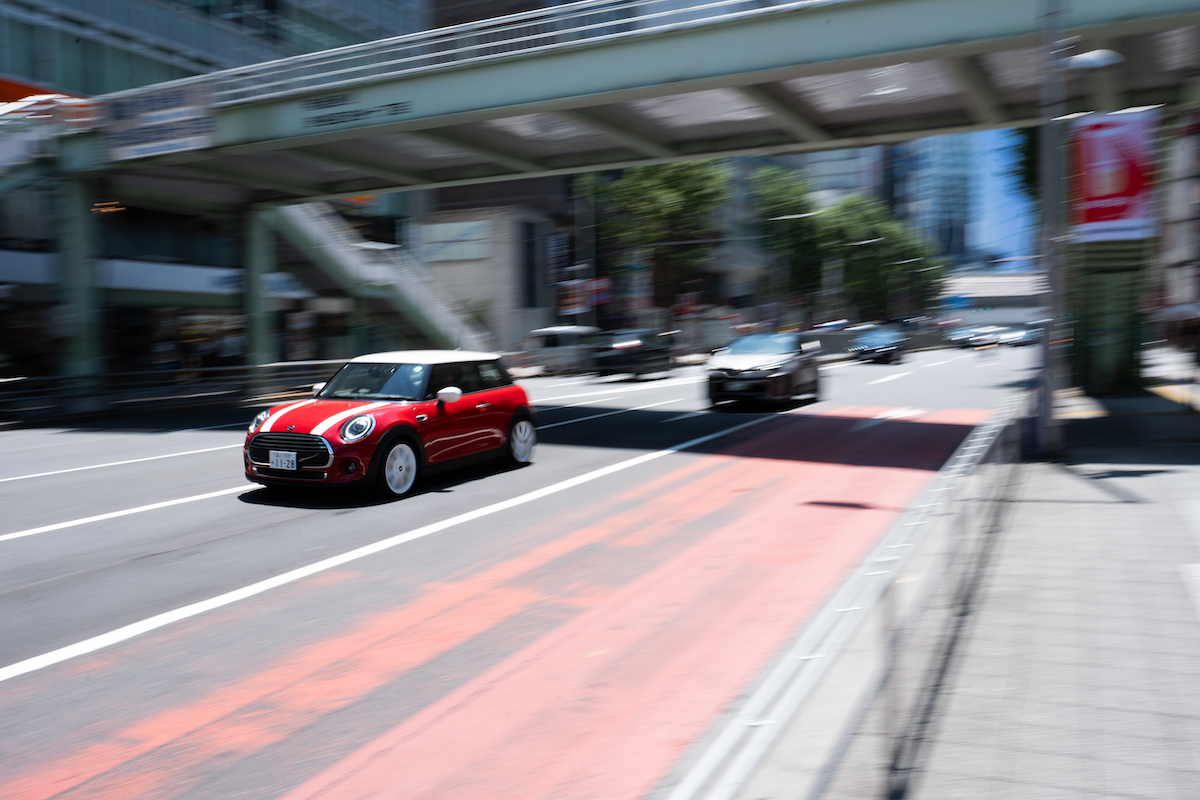
I’d like to see a review or experiment with this lens on a higher end camera, however, such as the Z8 or Z9. Those two are the top-of-the-line in terms of Nikon’s performance, but are out of my price range. If anyone’s done a similar review of the Tamron 16-30mm f/2.8 with a Z8 or Z9, please let me know!
Tamron Lens Utility

Tamron did request we test out their proprietary Tamron Lens Utility app with the lens. I had the opportunity to actually test a demo of it at CP+ this year, but hadn’t tried it out in the field.
Unfortunately however, the app currently doesn’t have iOS support. I only own an iPhone 15 Pro Max. Luckily, one of our teammates at the office downloaded the app to his android.
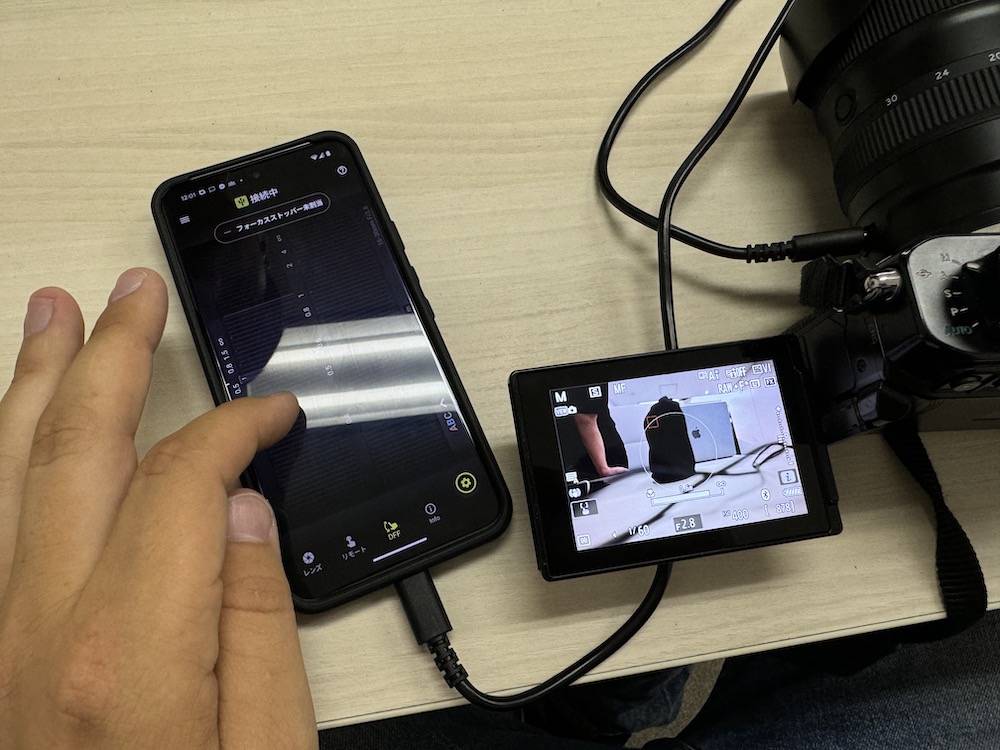
The app with the 16-30mm, especially with how precise focusing requirements are with a fast and wide angle, worked quite well. We could program in two different settings and change on the fly the subject in focus.
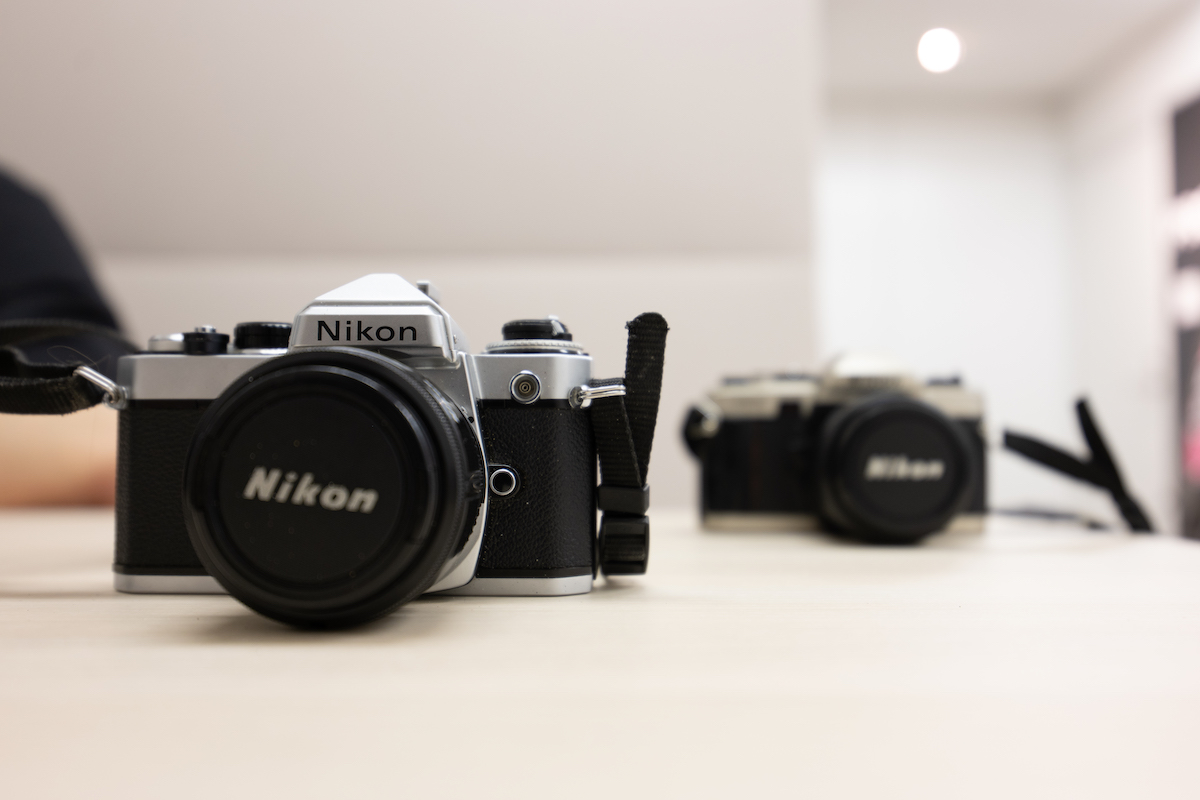

Controllability also included focusing speed, for when you are follow-focusing in video. Quite an interesting app, but again I wish they had an iOS version out. I hope that’s due out soon.
Tamron 16-30mm f/2.8 Shooting Scenario – Outdoor Cityscape Shots in Daylight
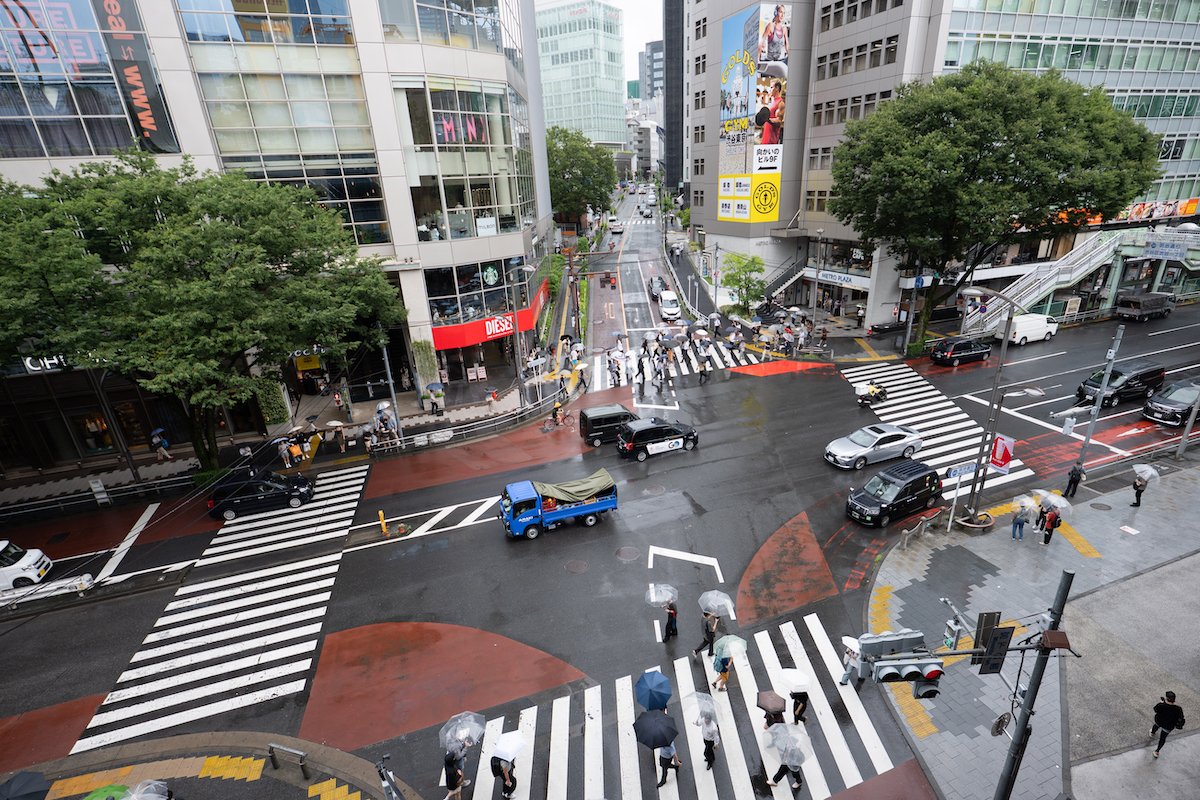
The most poignant application for the Tamron 16-30mm f/2.8, in my opinion, would be tourism-related photography. Being able to get all of the buildings in Shibuya is usually a challenge with my prime lens, and being able to get them clearly with my iPhone is also a challenge. This lens erases that challenge, maintains high quality, and shoots beautifully. Bonus shot of Enoshima Island included!
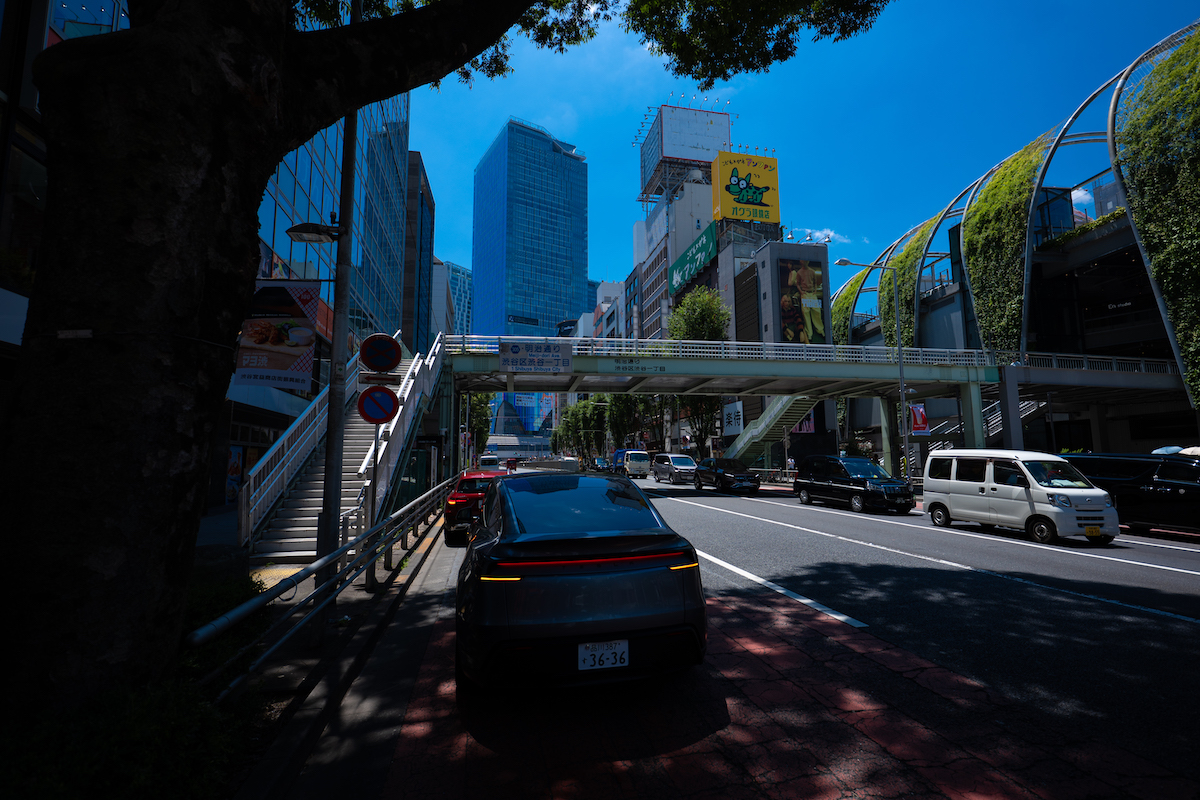


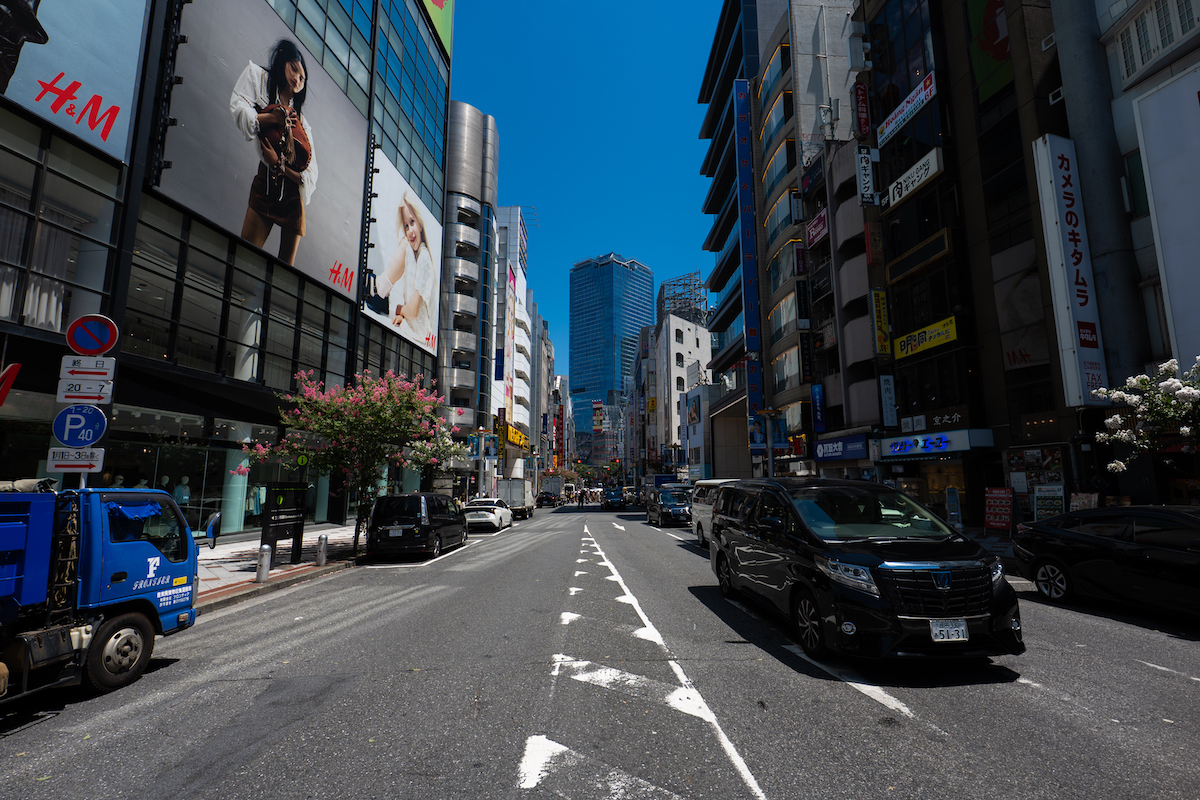


Even in a darker area like this poorly-lit foodcourt in Miyashita Park, the f/2.8 aperture across the entire zoom range works wonders.


Minimum Parallax Stretching with Landscape Scenes
Parallax Stretching (I made that phrase up) inevitably comes with wider angle lenses. Remember, our eyes peripherals make 3D images actual 3D in our head. When we view something on a wide angle lens, its on a 2D screen. The curving and depth we see in these photos can sometimes manifest in stretching and weird effects in the shot.
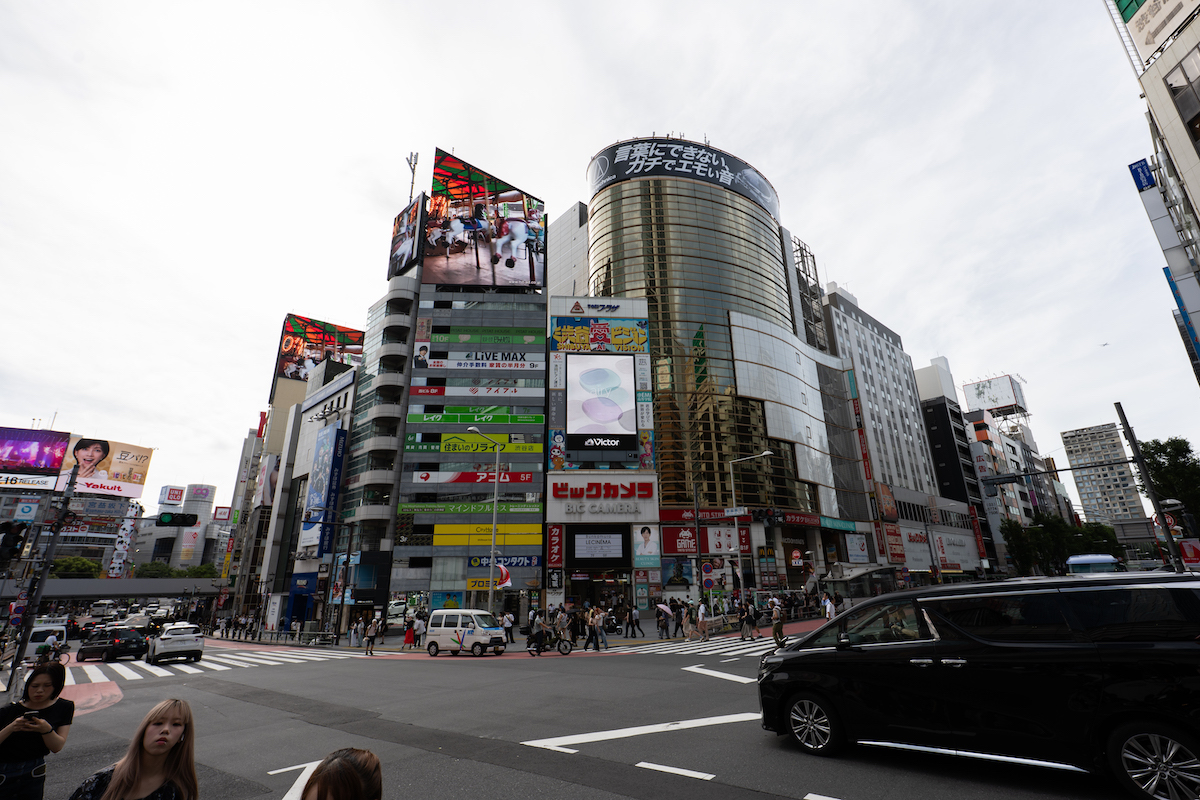
Surprisingly enough, for the Tamron 16-30mm f/2.8, these effects are minimum, if at all. You can see the buildings still look decently like actual buildings.
Only noticeable parallax is inevitably going to be the people, as you can see in some of the shots. That sort of issue might be fixable in post. Obviously, it goes without saying, don’t put important subjects in the extreme corners or edges of your pictures.
Rainy Day City Scape Shots


Train Spotting with the 16-30mm f/2.8
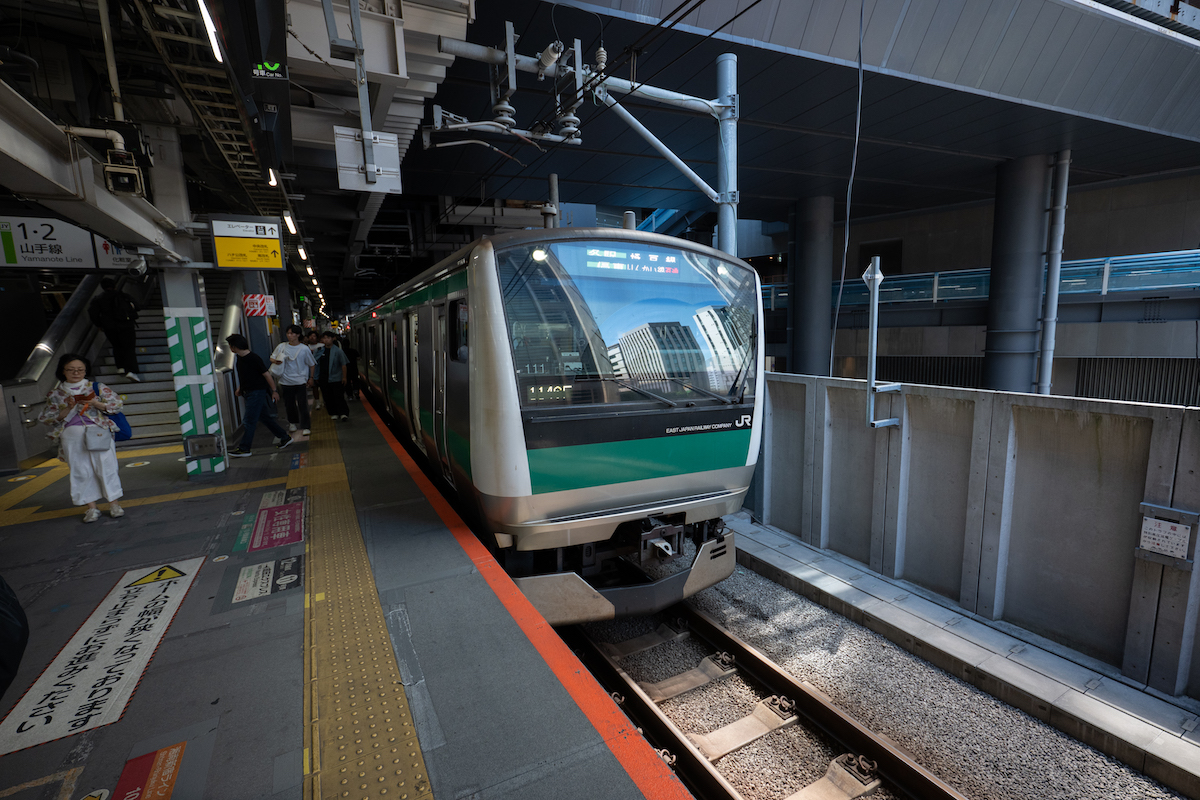
Yep, I had to give this lens what I call the “ultimate test” by taking it to my local trainspotting area in Kamakura. Having a wide angle lens allows for much easier shooting to get more of the train in the shot. I had no issues whatsoever with this lens, at either end of the zoom range.


Here’s the first and second-to-last burst shot sequence (the last one I got too much electrical pole in it for me to keep it).


Lowlight Shooting

I’d like to say I am lucky I live nearby the beaches here in Kamakura and having friends who run the famous beach bars that allow me to shoot photos there is an added bonus. I brought the Tamron 16-30mm f/2.8 with me a few nights to Thai Mura beach hut, largely testing out long exposure shooting.

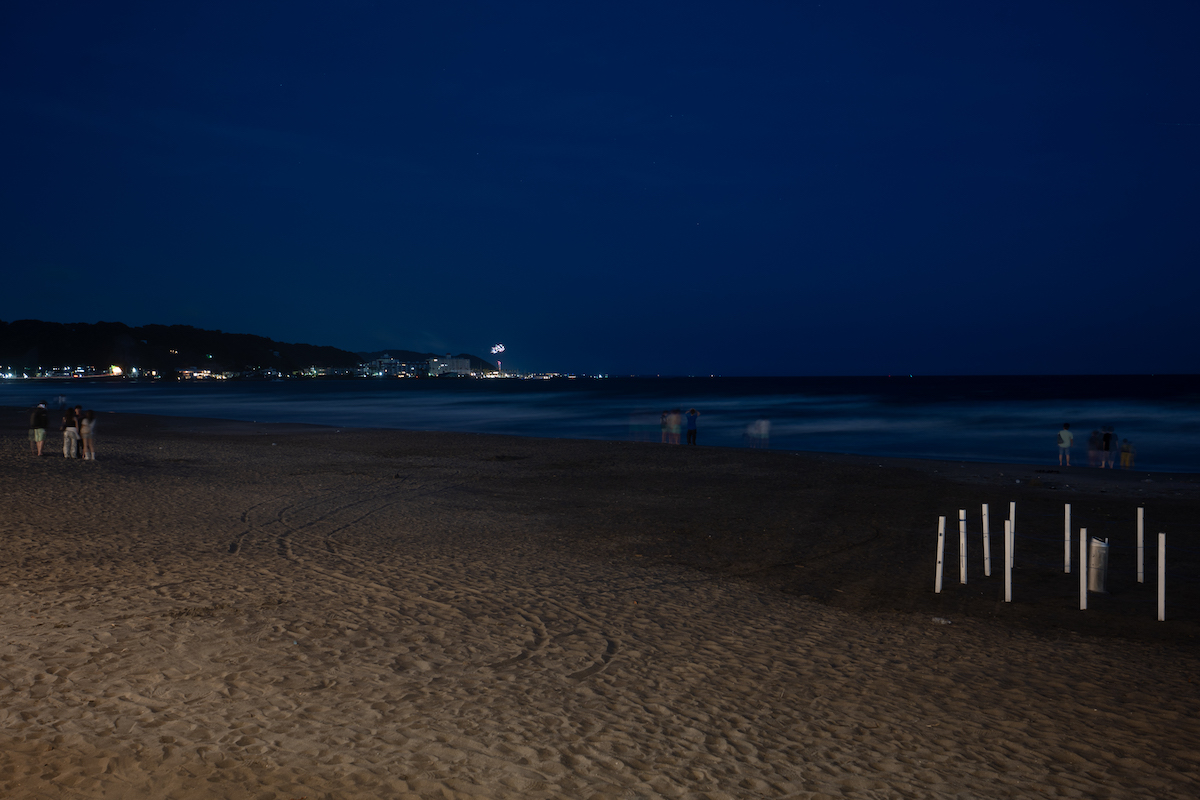

One thing to note about this lens is, despite it being a wide angle lens, it’s incredibly stable. I’d need more self-education into the internals of this lens (maybe it could be my Zf as well?) but I barely had any distortion if at all hand-holding this lens during some of the low light shots.

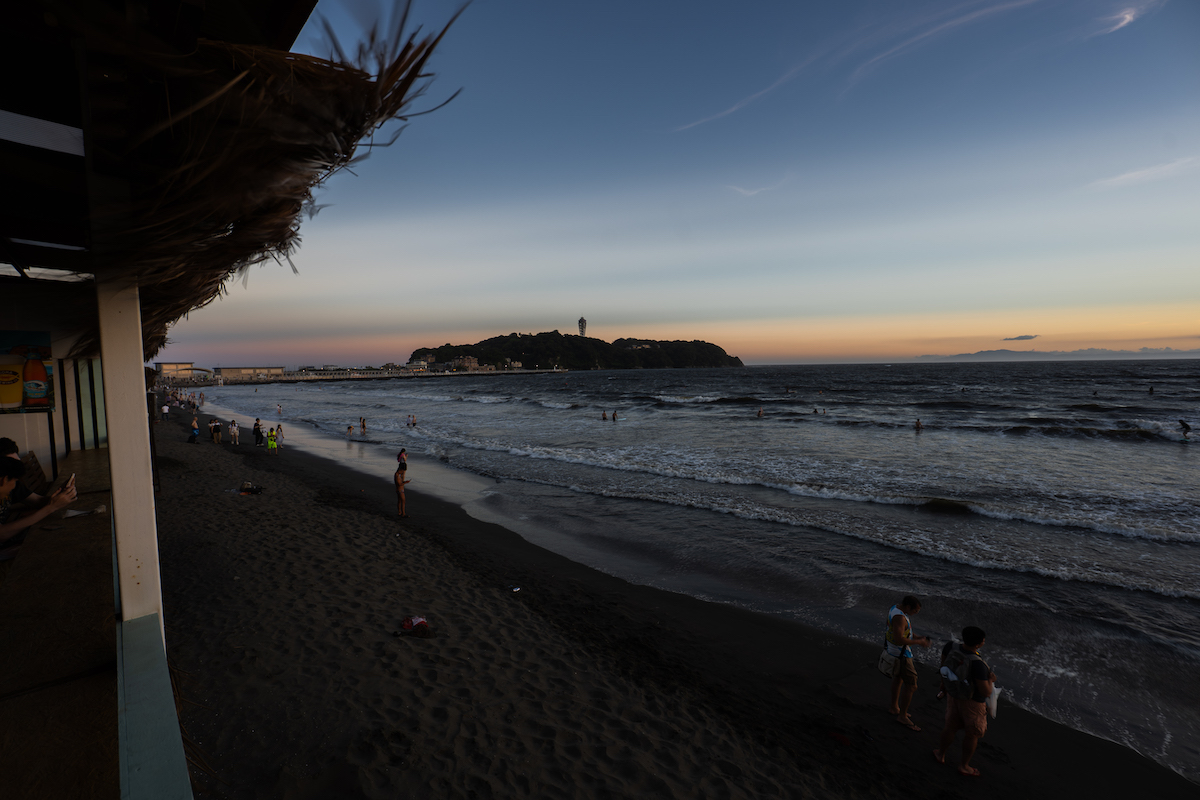
Let’s take some more super long exposure shots with the Tamron 16-30mm f/2.8!
Having a somewhat fast aperture always helps when lowlight shooting but for long exposure shots 4 or more seconds long, stopping down the lens creates that famous star pattern everybody loves.
I went back to my favorite trainspotting place again to test out how this wide lens works with passing trains.

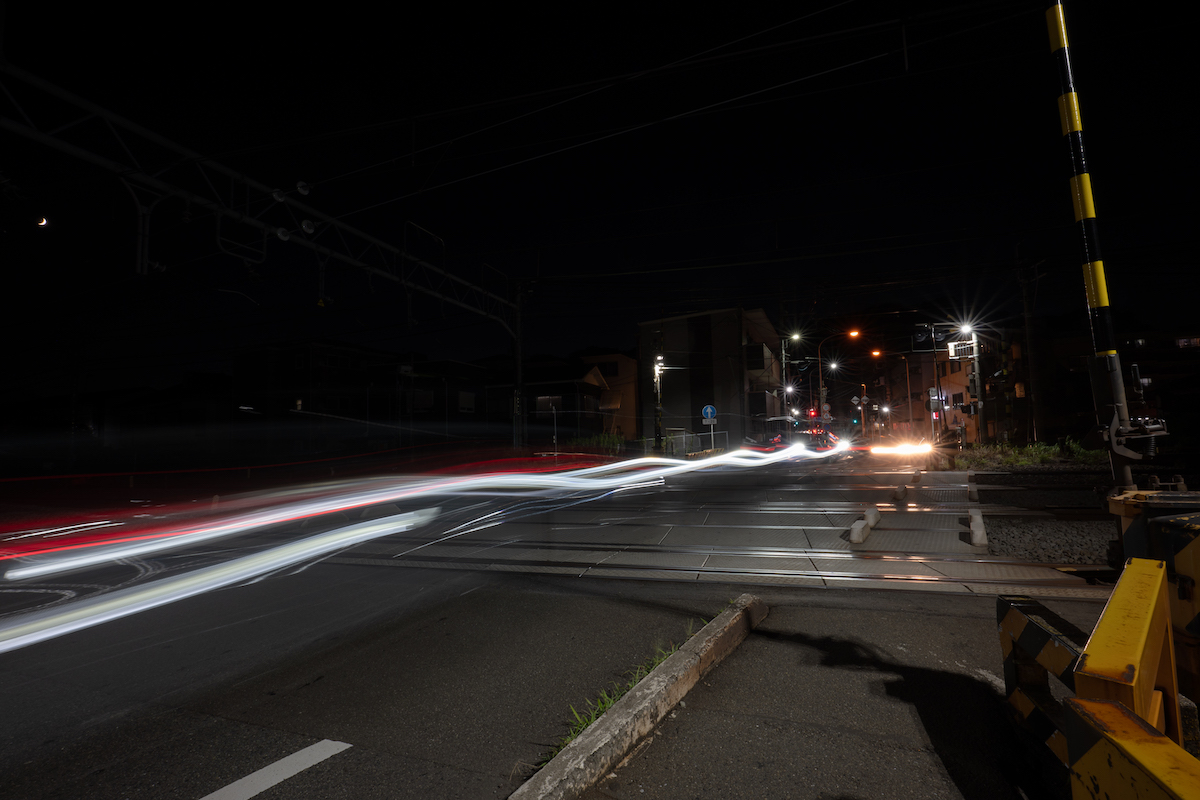

This shoot alone is why I used the first sentence of this article as a pretty good summary for the lens.
The Tamron 16-30mm f/2.8 Is An Incredibly Fun Lens

Overall, if you want a lens that is fun and functional, get the Tamron 16-30mm f/2.8. I haven’t had so much fun in a long time, and that’s saying something cuz I genuinely love having fun with photography. This lens allows you to shoot incredible wide angle shots but also closer up 30mm shots, with unbelievable macro functions to go with it.

Last year, I said the Tamron 50-400mm would be my next big lens purchase. I’m gonna have to add the Tamron 16-30mm f/2.8 to my personal wishlist of lenses. I can find so many uses for this lens professionally, and I’m sure you can too.

Written by Zach Kuhn – Profile

Zach is the web editor for PRONEWS Global, and a multi-media film and digital photographer. His work in social media content creation stretches back to the early days of social networking sites. His Instagram can be found here.