Cine Gear 2026
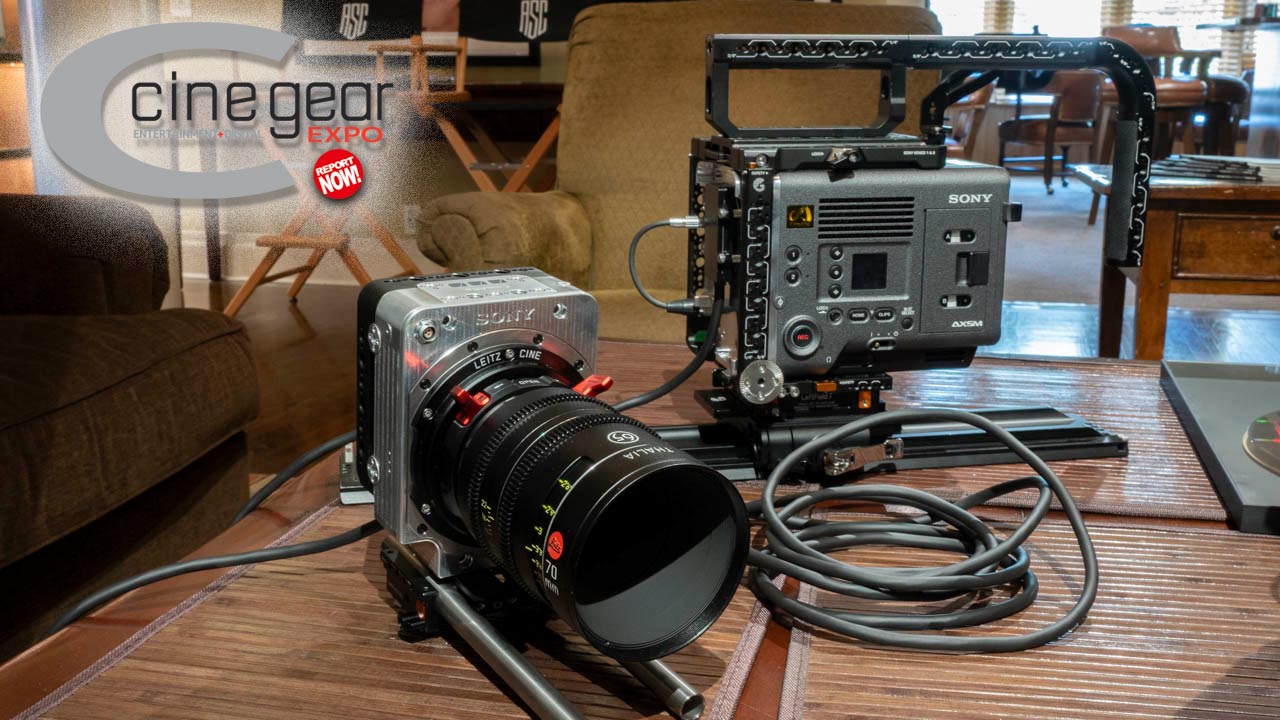
On June 3, 2026, Sony unveiled its RIALTO 65, a 65mm image sensor block currently under development, at the ASC (American Society of Cinematographers) Clubhouse during Cine Gear 2026. The RIALTO 65 is a system that expands the VENICE 2 digital cinema camera to the 65mm format and is scheduled for commercial release in the first half of 2027.
We briefly announced the RIALTO 65 in a press release yesterday, but at Cine Gear, we had the opportunity to take a closer look.
The ASC Clubhouse, the venue for the announcement, was filled with cinematographers, lens manufacturers, and other people from the video industry, and the prototype, which is still under development, was also unveiled.
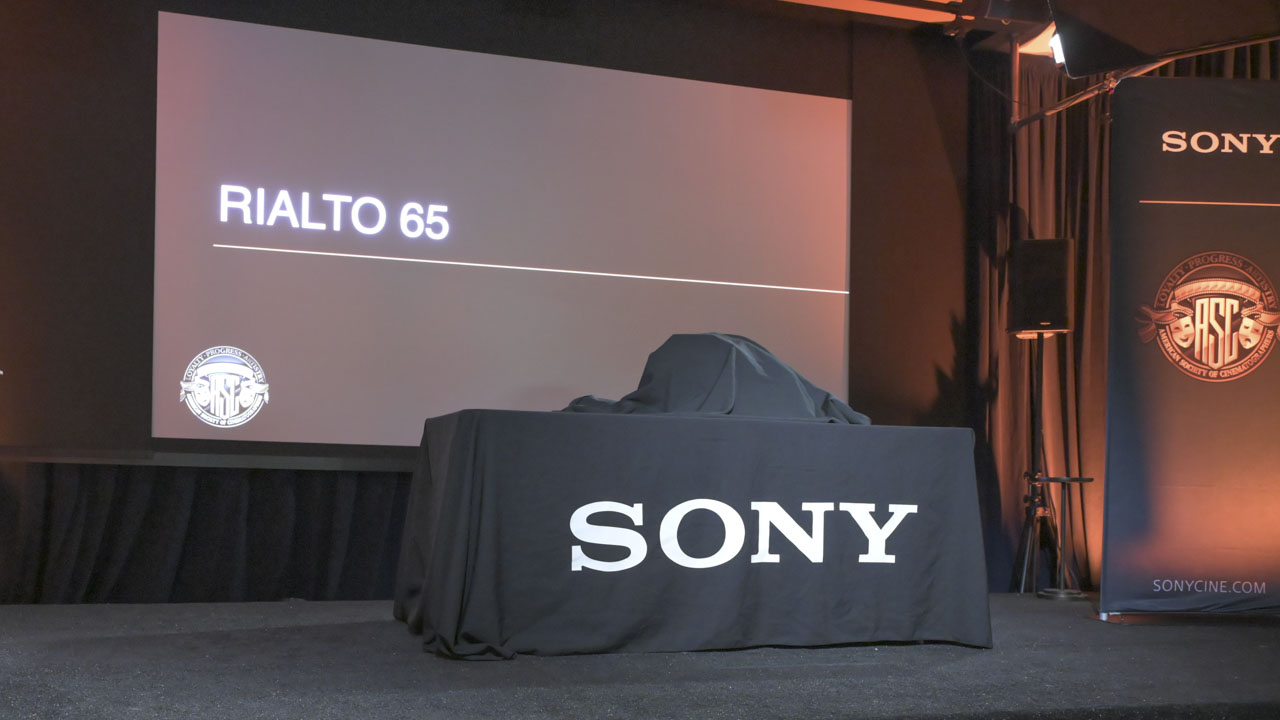
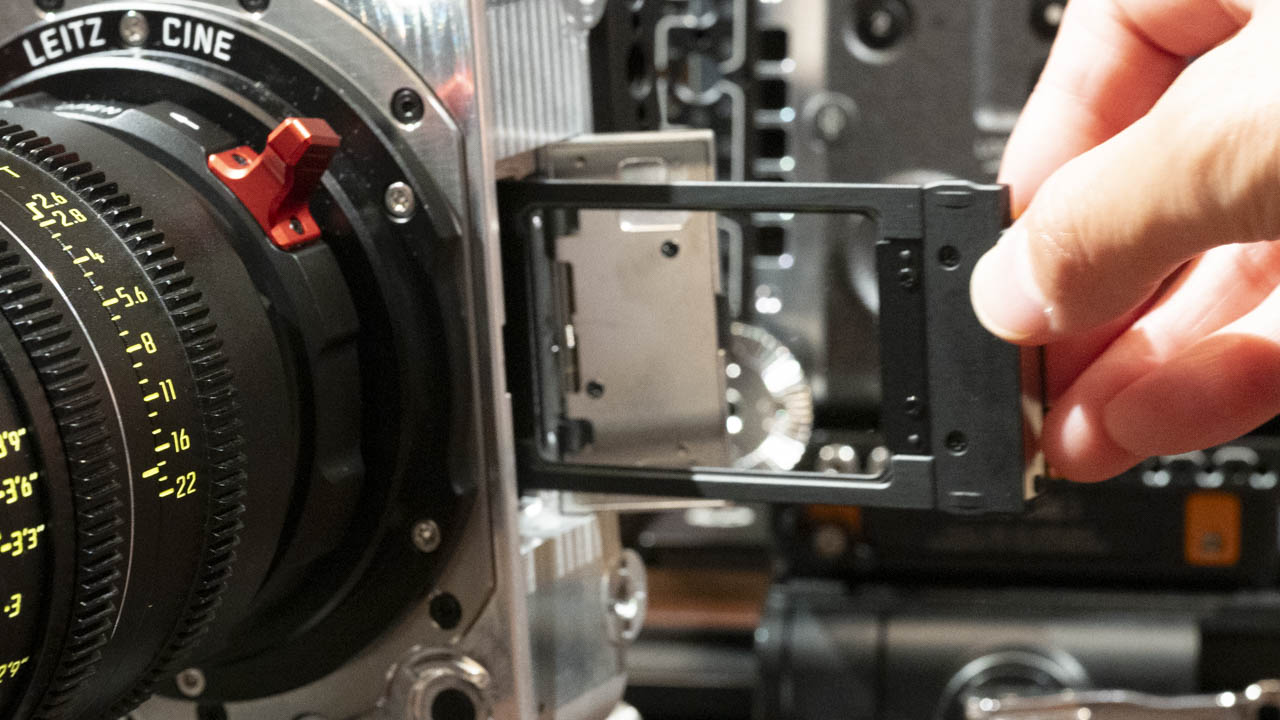
The 65mm image sensor block “RIALTO 65” has been unveiled.
“Over the past 10 to 15 years, Sony has become a true partner for us.”
ASC and Sony have been exchanging ideas from the new product development stage for many years, and the RIALTO 65 is a product that is an extension of that collaborative relationship.
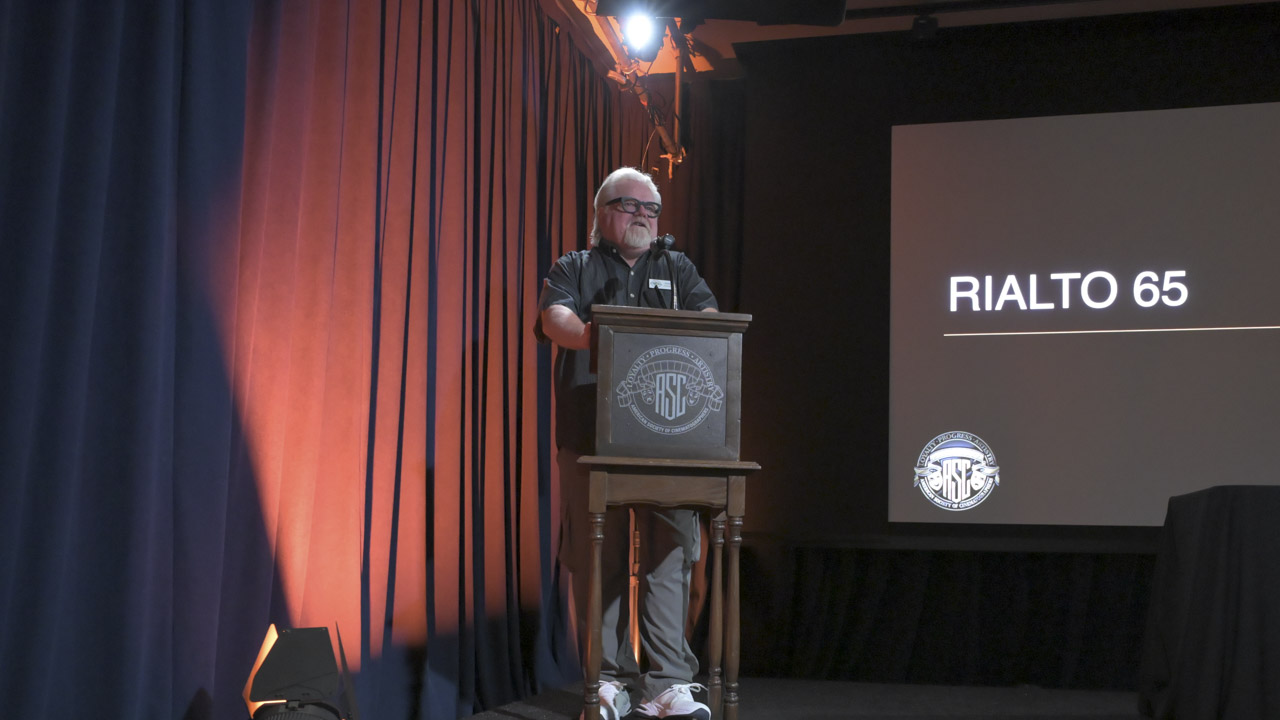
Next, Simon Marsh, Product Manager for VENICE in the US market, took the stage and explained the overview of the new system.
“We understand that the 65mm market is growing, and this is our solution.”
The RIALTO 65 is a 65mm format compatible image sensor block that can be added to the existing VENICE 2 system. It can be used on the same system as the VENICE 2 6K and 8K models, and is characterized by the ability to select multiple formats—6K, 8K, and 65mm—on a single camera platform.

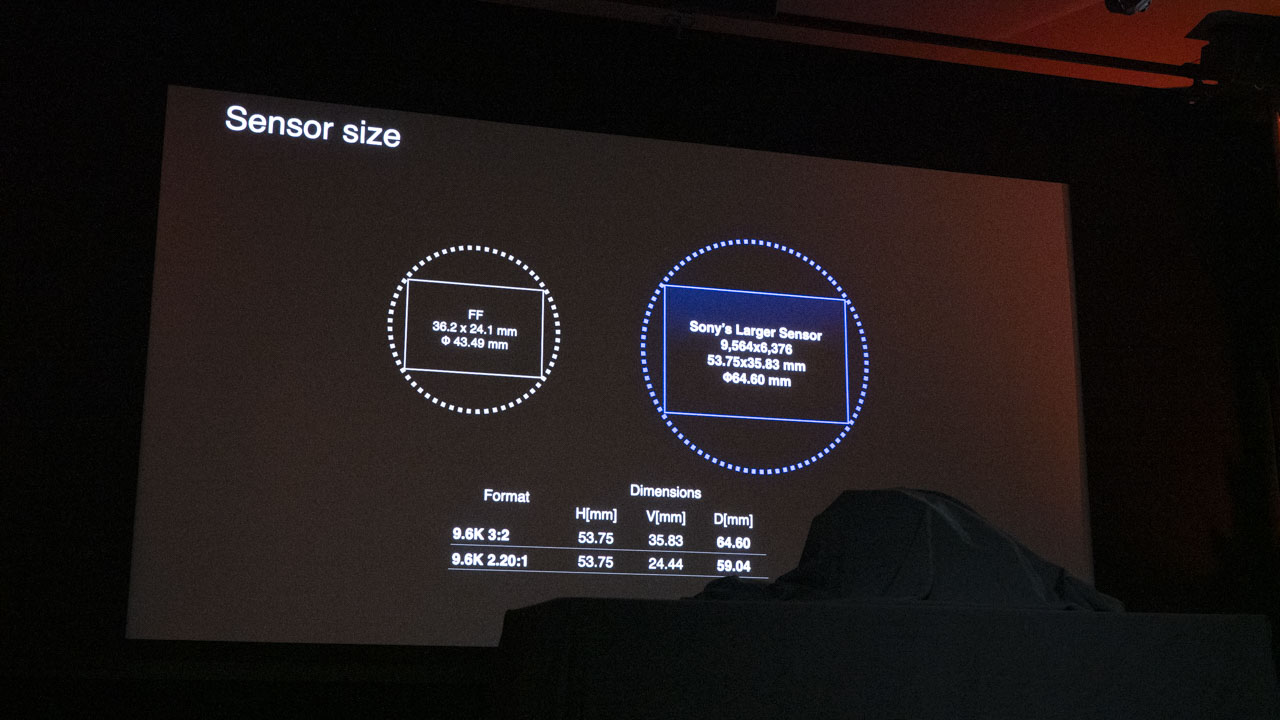
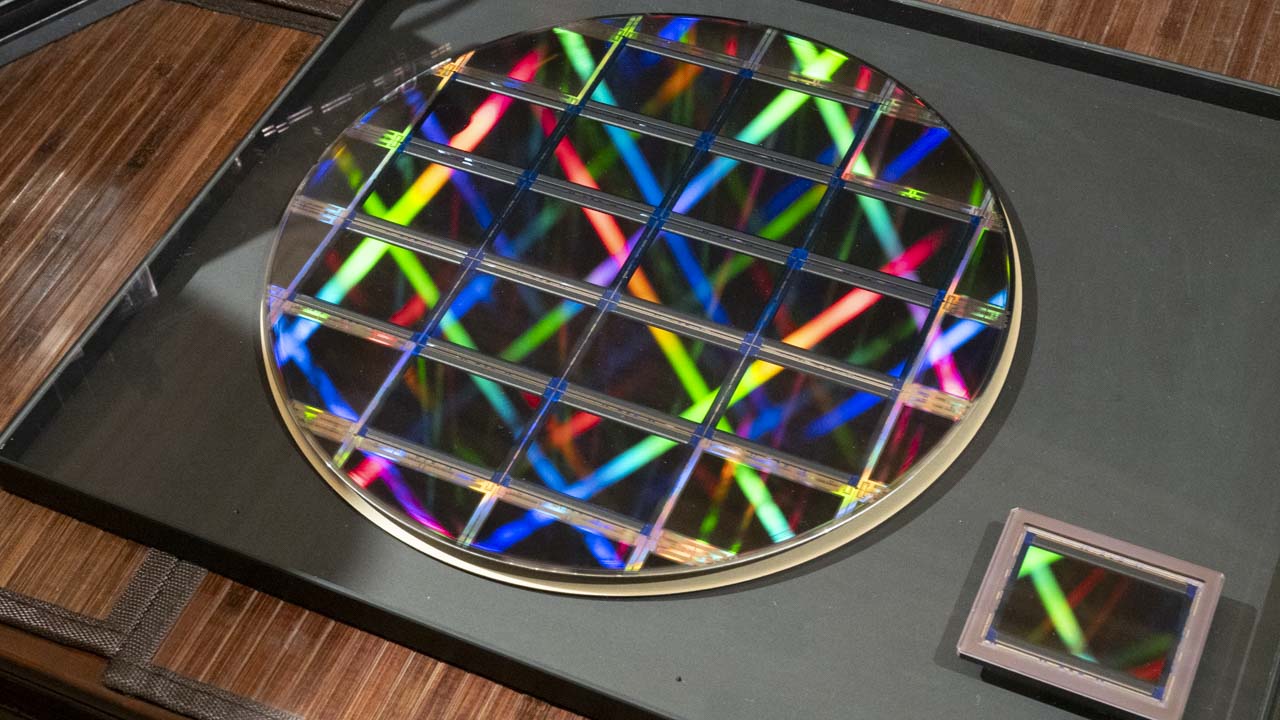
The details of the newly developed sensor were also unveiled at the venue. The sensor size is 64.6mm diagonally, employing a 3:2 format with dimensions of approximately 53.75mm x 35.83mm. According to Sony, to their knowledge, this is one of the largest imaging areas on the market.
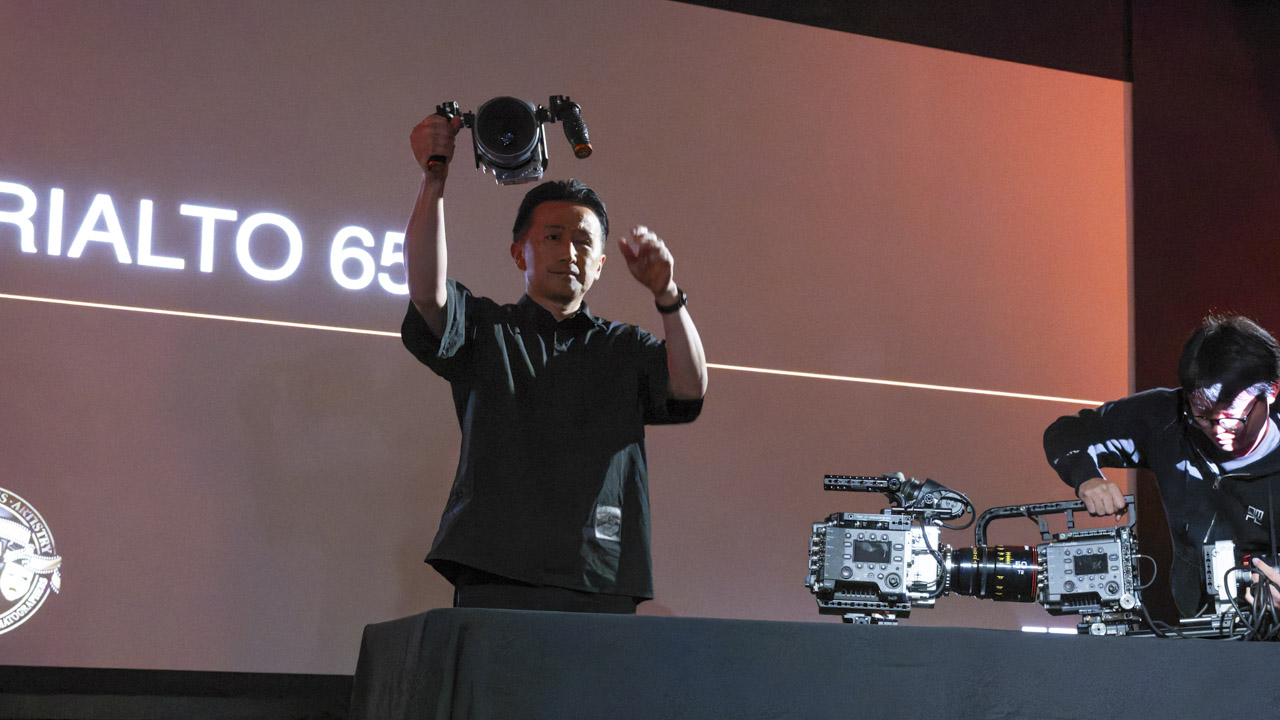
Furthermore, at the press conference, Nobutatsu Takahashi, head of the Cinema Line business unit at Sony Corporation’s New Content Creation Division, demonstrated the actual device on stage.
The Next Step for the VENICE Series
The RIALTO 65 can be used not only in a standard studio configuration but also as an extension system, a characteristic of the VENICE series. At the event, the “Rialto mode (extension configuration),” which separates the sensor block, was also introduced, demonstrating the design that achieves high mobility despite being a 65mm format camera.
The most impressive part of the presentation was the background of the development as explained by Mr. Takahashi. According to Mr. Takahashi, when VENICE was being developed in 2017, Sony visited ASC and gathered feedback directly from cinematographers. Since then, VENICE has been widely adopted in film production, but in recent years there has been a growing demand for even larger sensors.
“At Cine Gear a few years ago, we received many requests from cinematographers for a larger sensor option for the VENICE 2.”
Based on that feedback, the development team continued to explore ways to make it happen. Looking back on that time, Takahashi says, “The engineers were discussing how to make that dream a reality in the bar of a hotel while on a business trip . “
Regarding this announcement, Mr. Takahashi said, “This is the moment my dream has come true, and it is also the moment when the dreams of all the cinematographers will soon come true.”
The RIALTO 65 is not just a new product. It’s a project developed based on requests from cinematographers on set, and can be considered the result of continuous dialogue with ASC.
The roles of Sony Cinema Line and VENICE
So, in response to the question, “Why 65mm now?”, the following facts have become clear.
Sony’s “Cinema Line” is a product line that supports professional video production, including movies, dramas, and commercials. It offers a multi-layered lineup from flagship models to entry-level models, and has built an ecosystem that supports diverse production styles, led by the high-end “VENICE” series and including the “FX” series.
At the heart of this series is the maintenance of a consistent “look” and “operability.” Because it can be operated with a common philosophy even when the scale and environment of the shoot change, disruptions to the production flow due to equipment changes are minimized. The philosophy of providing tools optimized for the individual needs of everyone from professionals to individual creators permeates the entire series.
At the pinnacle of the Cinema Line is the VENICE. This camera has been used in numerous high-end productions and has built a solid reputation not only for its overwhelming image quality but also for its unique “extension system” approach. This structure, which allows the camera head to be detached, enables shooting in confined spaces and at special angles, dramatically improving the freedom of visual expression. In recent years, applications of this mobility to the creation of next-generation spatial content have also progressed, and Sony is looking beyond the conventional boundaries of filmmaking to new areas of visual media.
Understanding the essence of “RIALTO 65” requires not just the specifications of the product itself, but the changes in the industry structure of the film industry that lie behind it.
A review of recent Academy Award-winning cinematography films reveals a striking trend towards the use of “large format” cameras that surpass 35mm full frame. IMAX and 65mm format are prime examples, demonstrating that the desire for greater expressive power through larger sensors remains relentless in high-end film production.
In fact, while VENICE was well-received in the market, there was a strong demand for even wider format capabilities at the forefront of the industry. Sony accurately grasped this market trend and made large format support one of its top priorities.
The reason why top-class cinematographers are gravitating towards large format is quite clear.
These features include an overwhelming sense of depth due to a shallow depth of field, wide-angle rendering with distortion minimized to the extreme, and the ability to achieve both a wide angle of view and natural bokeh. These are expressions that can only be achieved with an increased physical sensor size.
Especially in the 65mm format, even with a standard 50mm lens, it’s possible to achieve a wide field of view while making the subject stand out vividly. Because distortion at the edges of the frame is minimal and the sense of distance to the subject is naturally maintained, viewers can empathize more deeply and intensely with the characters on screen.
The irresistible sense of immersion and scale emanating from films like “Oppenheimer,” “Dune,” “Elvis,” and “Parasite” is closely linked to the expressive capabilities unique to large-format cinema. Going beyond mere high resolution, the ability to simultaneously depict spatial depth and the presence of characters is the true value that the film industry now seeks in large-format films.
What is the RIALTO 65 that converts the VENICE to 65mm?
The RIALTO 65 was introduced in response to these market trends.
The most distinctive feature of the RIALTO 65 is its ability to expand the existing VENICE 2 system to the 65mm format. By replacing the image sensor block of the VENICE 2, it can be operated as a 65mm format compatible digital cinema camera system.
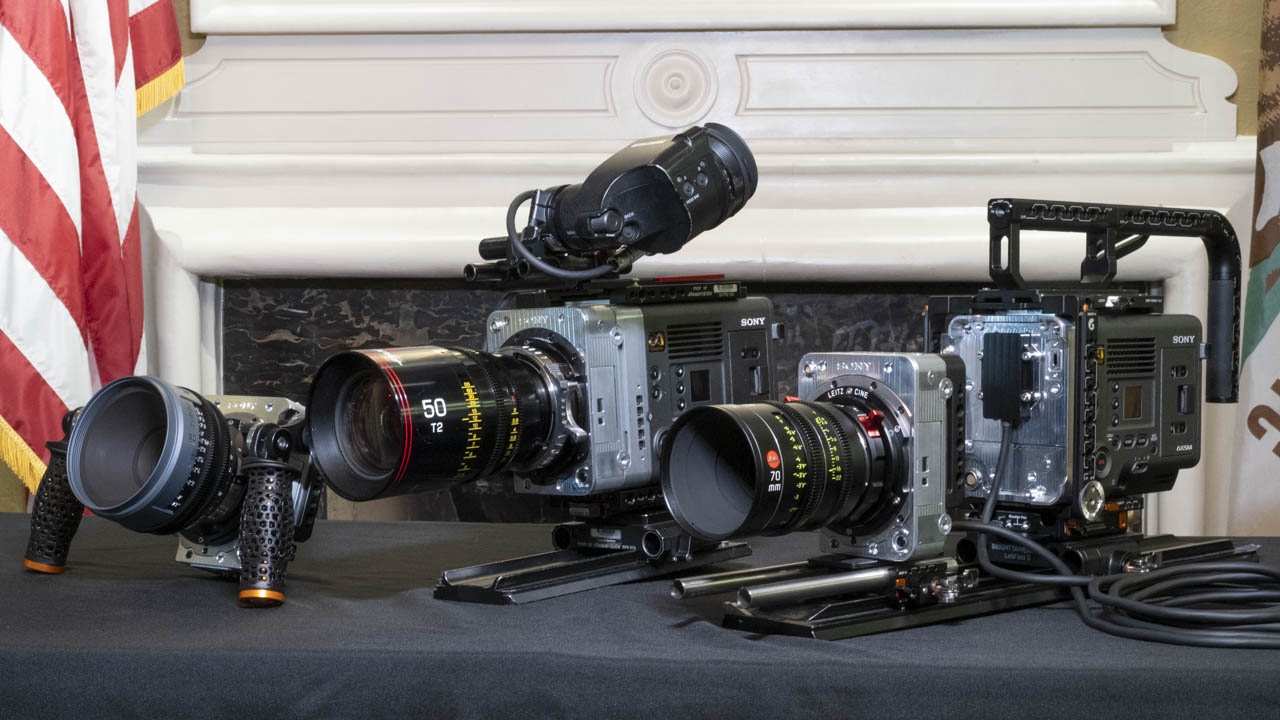
Furthermore, the sensor used in this product is a newly developed, dedicated unit. It’s not a repurposed existing product, but rather designed from the ground up with 65mm format compatibility in mind.
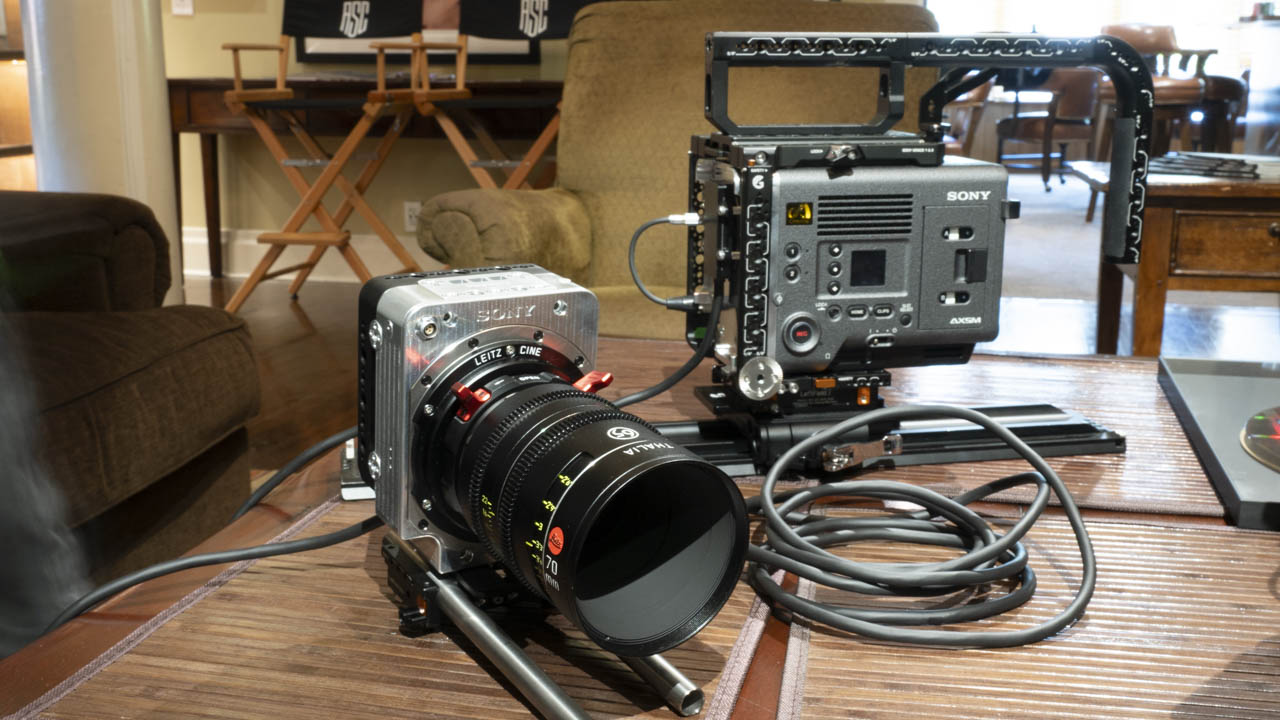

Furthermore, this sensor supports the same operation as the “VENICE Extension System Mini.” The ability to combine a large sensor with shooting flexibility could be a differentiating factor from conventional large-format systems.
Rather than simply developing a new 65mm camera, the RIALTO 65 leverages the workflows and peripheral equipment assets that existing VENICE users have built up, while only expanding the possibilities of visual expression. This approach is the essence of the RIALTO 65.
The expressive power brought about by a specially developed sensor and 9.6K resolution.
The RIALTO 65 features a 3:2 sensor with a diagonal of approximately 64.60mm and dimensions of 53.75mm x 35.83mm. This is one of the largest sizes in the industry, and its light-receiving area is approximately 2.2 times that of a full-frame sensor.
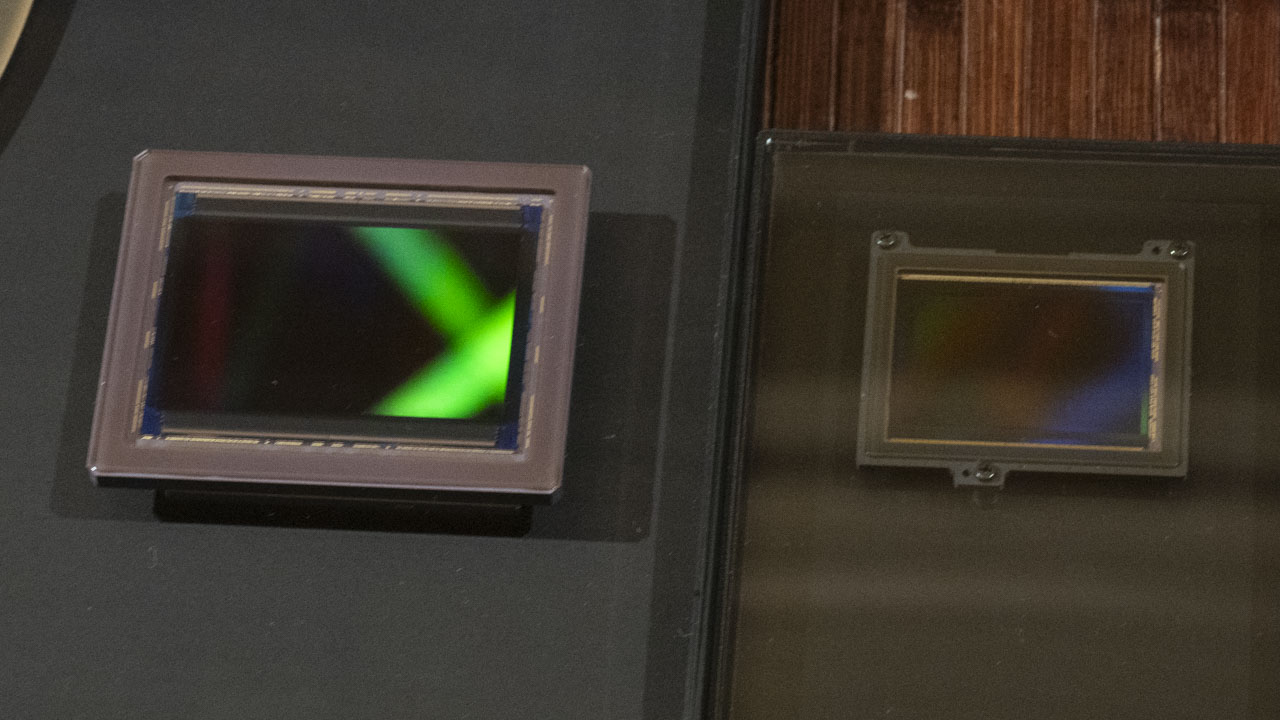
This isn’t simply about increasing resolution. It’s designed to highlight the subject with the shallow depth of field unique to large format cameras, and to depict the expansiveness of space in a three-dimensional way.
In filmmaking, the presence of characters and the expression of spatial scale greatly influence the immersive experience of a film. This is also why the 65mm format continues to be popular. RIALTO 65 can be seen as an attempt to incorporate this visual expression into the VENICE system.
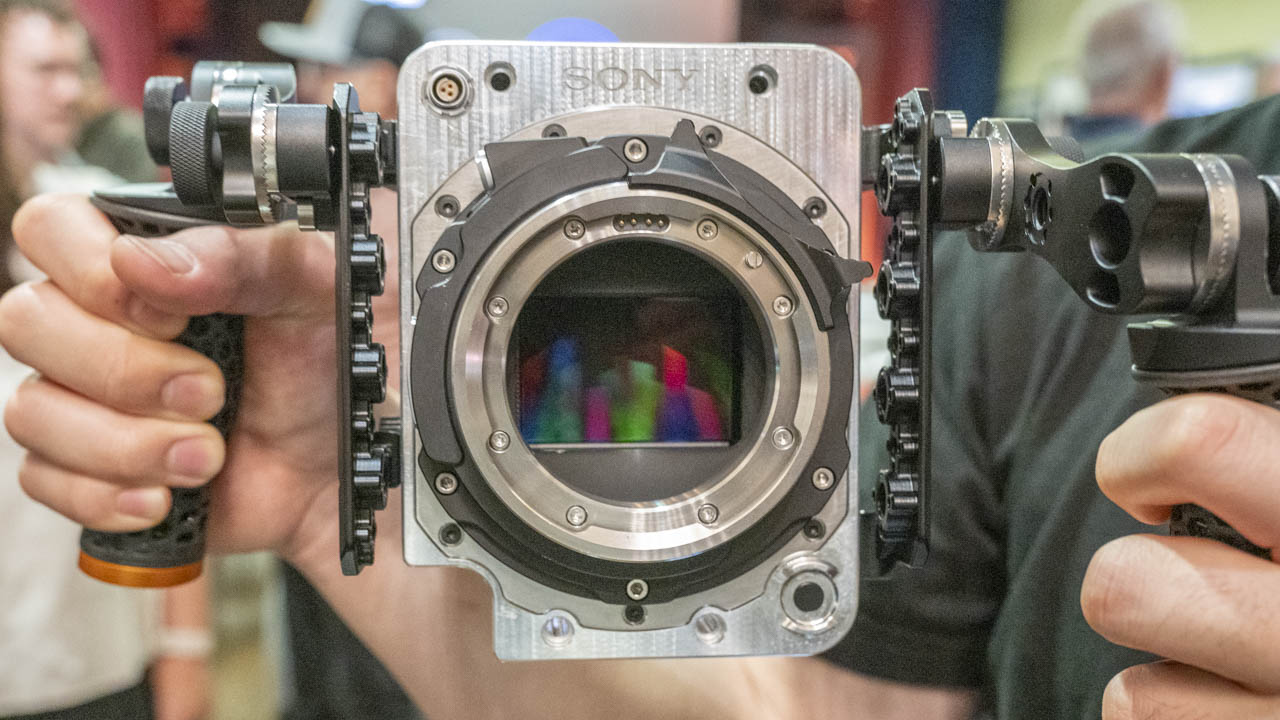
The recording formats are also ambitious. In addition to supporting 9.6K 3:2 open gate shooting, it also features readout modes compatible with a variety of 65mm format lenses. Furthermore, it supports the 2.2:1 format, making it suitable for video production intended for large-screen projection.
3:2 Aspect Ratio
The adoption of a 3:2 aspect ratio is also interesting. While 17:9 and 16:9 are the mainstream aspect ratios for typical digital cinema cameras, the RIALTO 65 employs a design that utilizes the entire surface area of its large sensor. This suggests a consideration for large-screen projection, including IMAX.
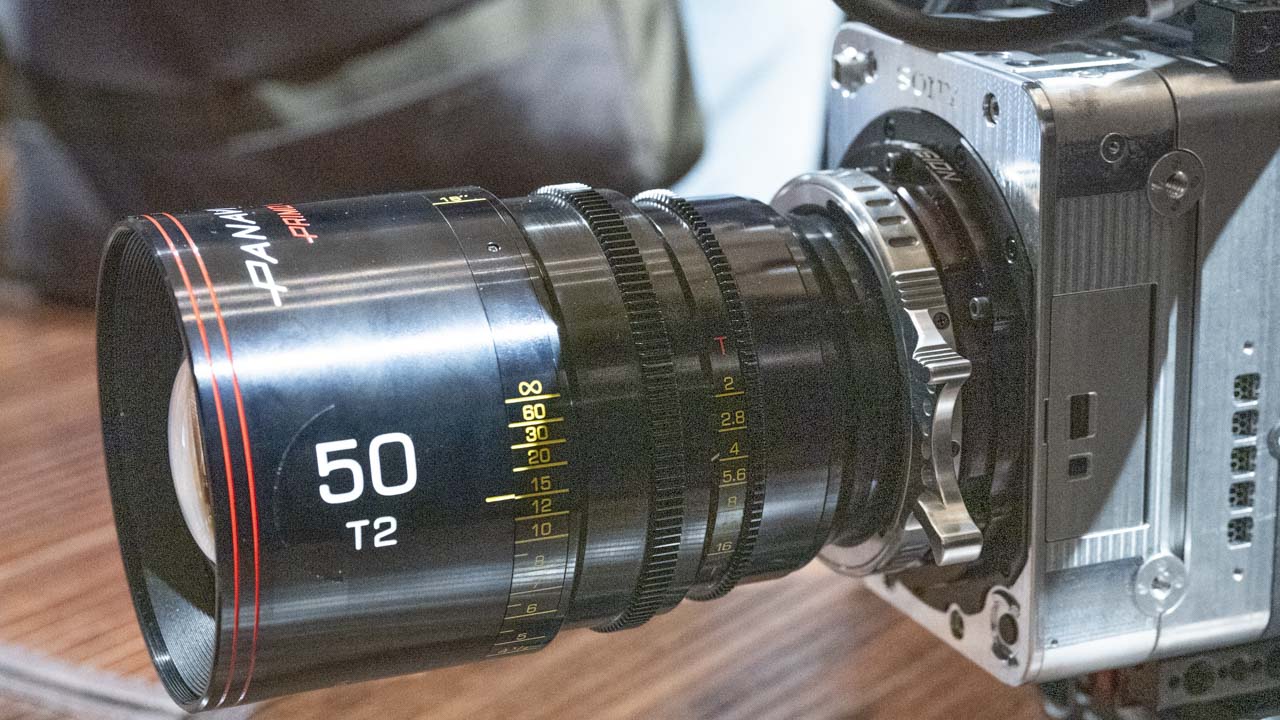
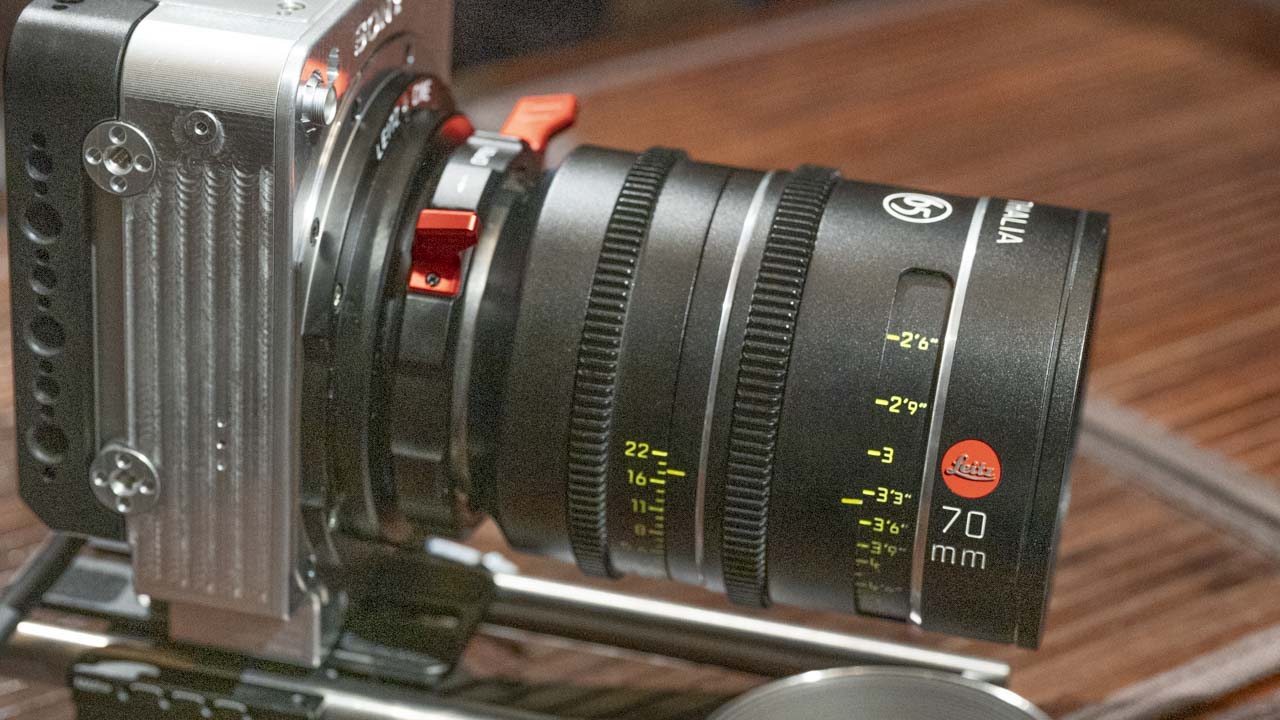
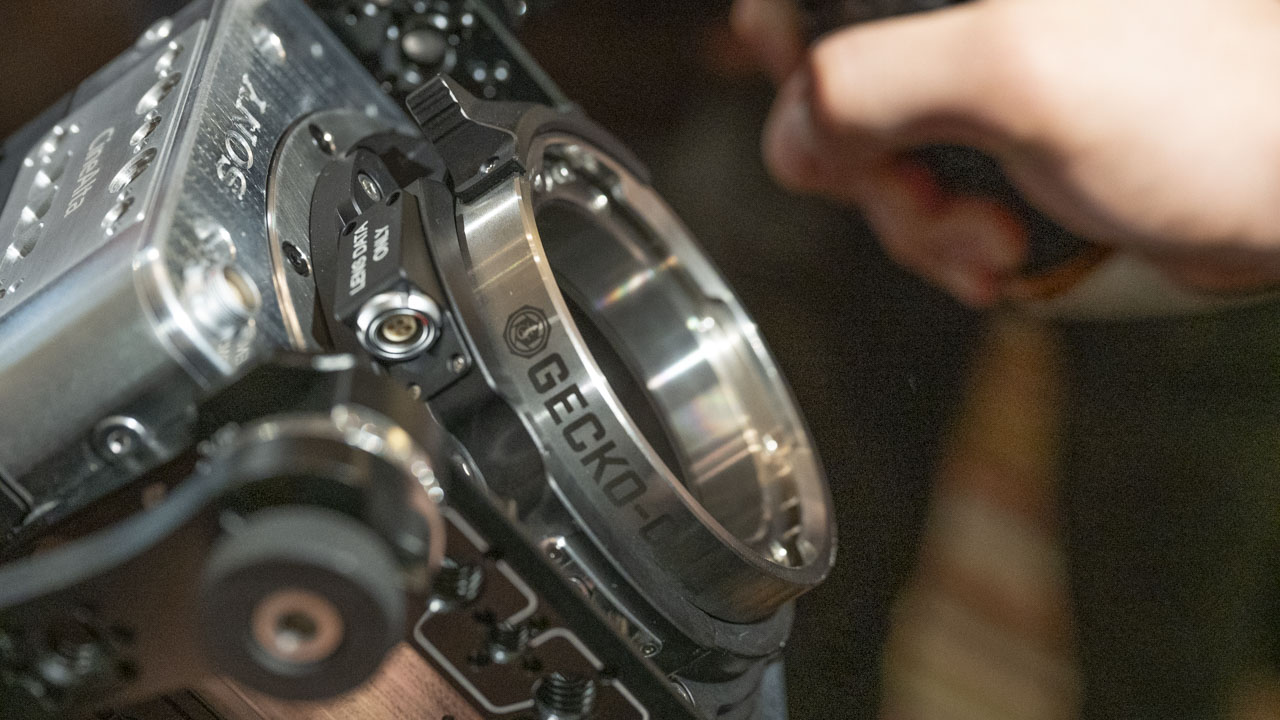




Sony’s next-generation large-format strategy
At this point, the product is still under development, and no sample videos have been released. However, judging from the announcement, Sony’s intended direction is clear.
The goal was to combine the expressive power of the 65mm format, which is demanded in the film industry, with the operability and mobility cultivated by the VENICE series. To achieve this, a new dedicated sensor was developed, incorporating the industry’s largest imaging area and 9.6K recording performance.
The RIALTO 65 is not just a model with a large sensor; it’s an expansion platform designed to elevate the VENICE system, the pinnacle of the Cinema Line, to the next level.
In the filmmaking industry, the demand for greater immersion and a greater sense of scale will likely continue. The RIALTO 65 is Sony’s answer to this trend and is positioned as an important product that signifies their full-scale entry into the large-format market.
With the aim of commercialization in the first half of 2027, we’ll be keeping a close eye on what kind of video works will be produced in the future.