Leitz Cine is entering the mirrorless lens market with the launch of the Leitz HEKTOR Lenses, an all-new set of prime lenses designed specifically for cameras using a mirrorless mount.
The series consists of six focal lengths (18mm, 25mm, 35mm, 50mm, 73mm, 100mm), all with a T2.1 aperture, and user-interchangeable mount options E, L, RF, and Z for maximum flexibility.
Leitz HEKTOR Features
Image quality and performance are top priorities
The new HEKTOR series lenses emphasize image character and build quality. The HEKTOR look was crafted by examining over 100 years of film and photography lens history. Inspired by classic M lenses from the 1930s and 1950s, as well as Petzval lenses, the lenses uniquely combine characteristics such as dynamic flare, field curvature, and spherical aberration to create a nostalgic yet new visual experience.
These characteristics are naturally expressed through the use of an aspherical design reminiscent of the 1980s and 1990s, while modern improvements include coatings that more effectively suppress veiling glare than ever before and significantly reduced chromatic aberration.
Inheritance of Leitz quality
The Leitz Cine brand has always prided itself on its high quality standards, and although HEKTOR lenses are designed for cheaper camera systems than high-end glass, they are produced with the same care, attention and precision. They are designed in Germany, manufactured and assembled in Germany by the same craftsmen as SUMMILUX-C and HUGO.
Although they are more expensive than typical mirrorless lenses, they are durable enough to withstand long-term use, easy to maintain, and have a guaranteed supply of replacement parts, making them a reliable long-term investment.
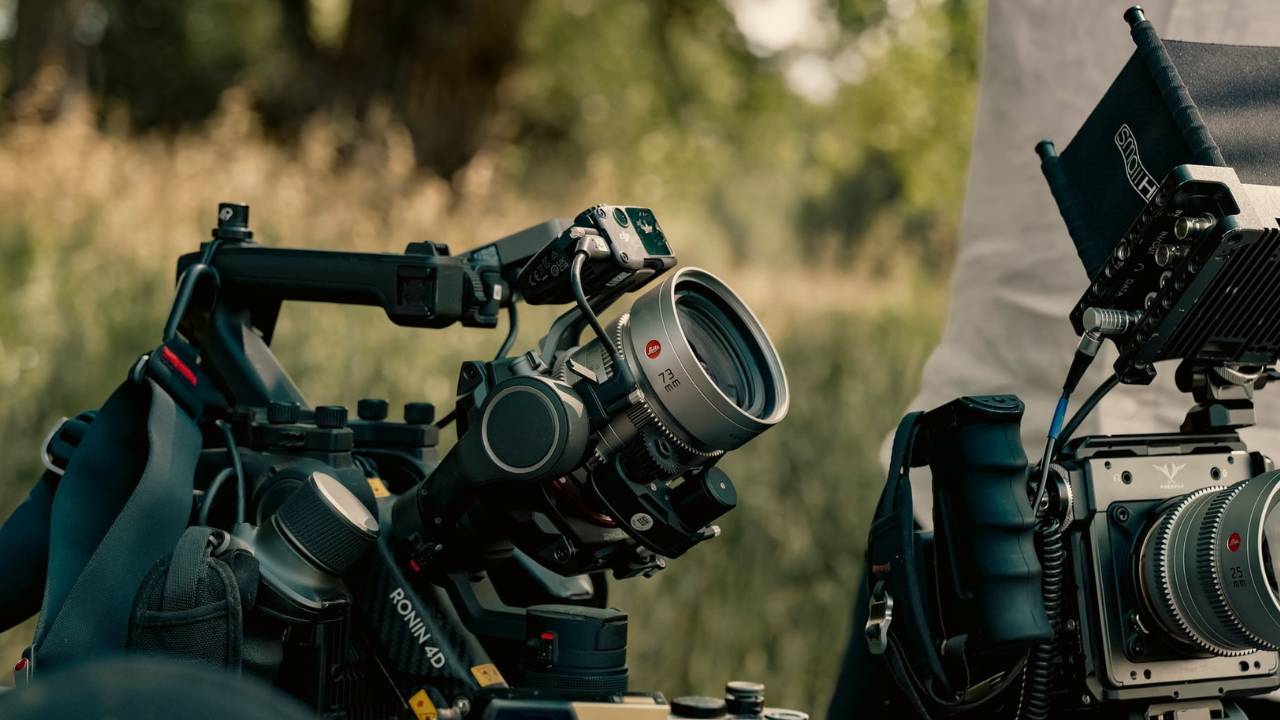
Specifications and operability
This lens family is fully manual and features an 80mm outer diameter. The 25-100mm lenses feature a 77mm screw-in filter thread. The focus and iris rings are in consistent positions, allowing for quick focal length changes. Rotation angles of 120° for focus and 49° for iris allow for easy operation and focusing. The nine-blade diaphragm maintains a circular shape throughout the entire aperture, providing consistent rendering in out-of-focus areas.
Rainer Hirscher, Managing Director of Leitz Cine, said:
“HEKTOR was developed in response to demand for a lens that doesn’t just pursue speed and resolution, but one that gives images soul and emotion. It’s a lens that will appeal to modern cinematographers, but also has timeless, beautiful image quality,” said Herscher.

Origin of the Leitz HEKTOR name
The name “HEKTOR” comes from the original Leica Hektor lenses, designed by legendary lens designer Max Berek for Leica’s screw-mount 35mm cameras in the 1930s. While the new HEKTOR series is not a derivative of those lenses, it pays homage to their spirit with its silver anodized finish and the use of the original line’s iconic 73mm.