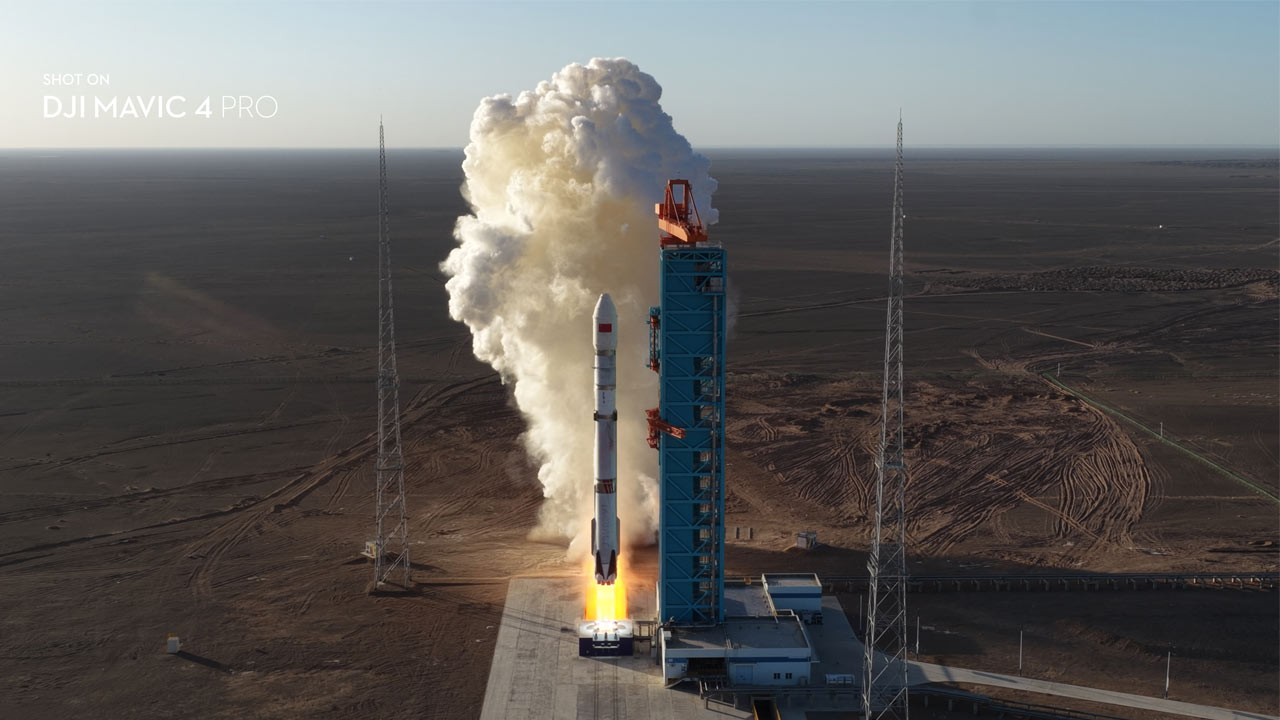
DJI announced the launch and return of the DJI Osmo Action 6 camera to space. They stated that this launch, along with the upcoming Osmo 360 II, leverages DJI’s video equipment ecosystem to create a ground-to-air shooting network.
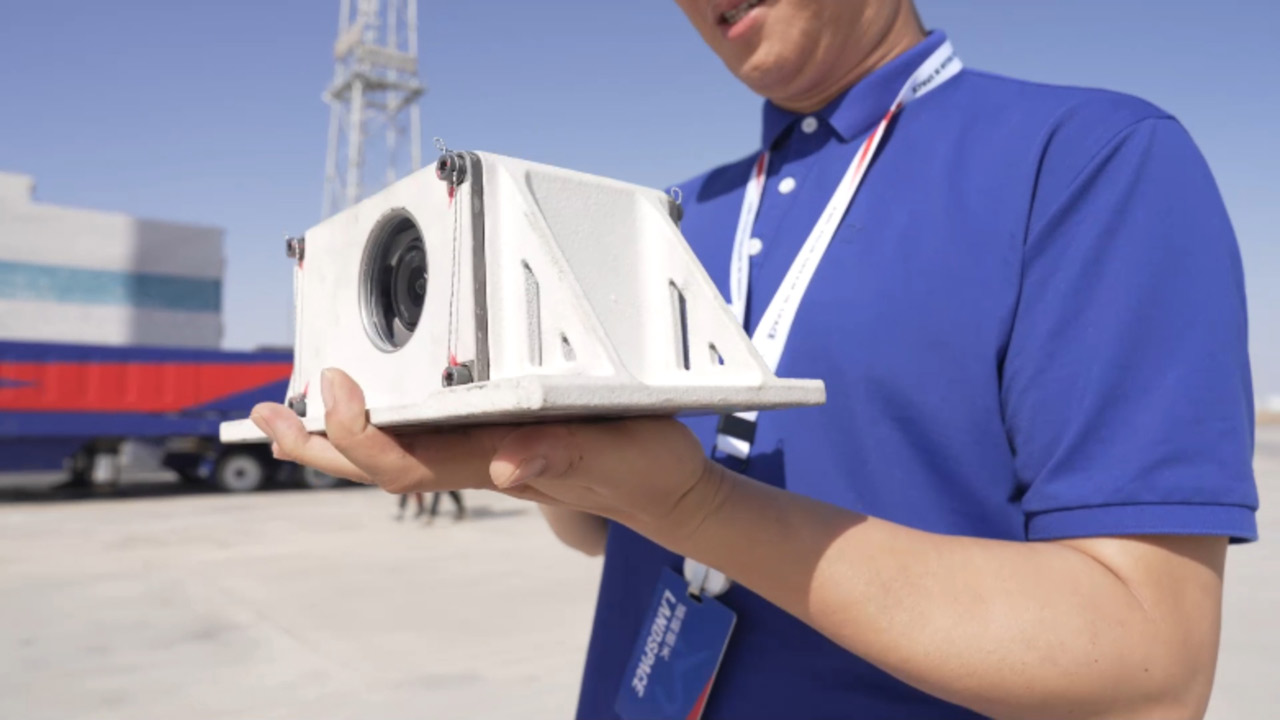
Twelve DJI Osmo Action 6 cameras were attached to the first stage of the reusable rocket “Zhuque-3” by the private commercial space company “LandSpace.” The cameras themselves were not specially modified; these consumer-grade action cameras were used to record the entire process from launch to recovery.
The Osmo Action 6 recorded first-person perspective footage from ignition and liftoff to flight, landing, and recovery, in a harsh environment where the rocket’s surface reached temperatures of up to 500°C.
Osmo Action 6 taken space without any special modifications.
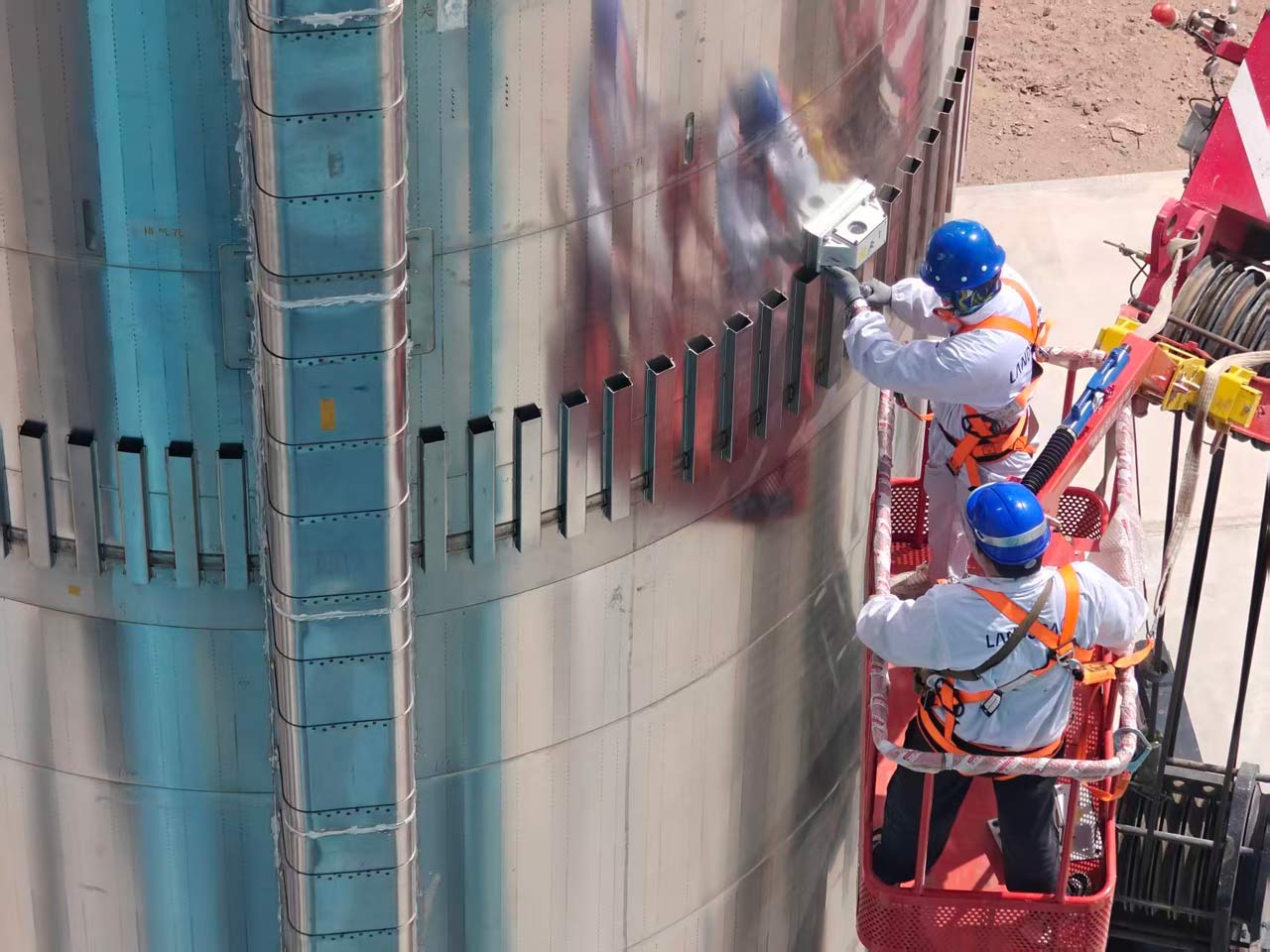
The Osmo Action 6 cameras were mounted in multiple locations on the first-stage rocket body, recording the entire journey from launch to recovery from a first-person perspective. By positioning 12 cameras in different locations, the rocket flight was captured from each individual viewpoint.
In the commercial spaceflight industry, where reuse is a crucial means of cost reduction, this high-definition video footage can be used by aerospace engineers to verify the recovery process, assess the condition of the rocket’s first stage, and replicate successful cases.
Osmo Action 6: Filming in the harsh environment of rocket flight.
The footage was shot under extremely harsh environmental conditions. During both the ascent and descent phases, aerodynamic heating causes the rocket’s surface temperature to reach approximately 400°C to 500°C, and the engines and flight control systems continuously generate high-frequency, high-intensity vibrations. Furthermore, there is a “blackout zone” during atmospheric re-entry where communication with the outside world is lost.
Even under these conditions, the Osmo Action 6 continued shooting despite being affected by heat and vibration. In “blackout zones” where communication with the outside world was lost, it continued to save footage by directly recording to the device itself, and brought the recorded data back to Earth.
Stable video recording with Osmo Action 6
The Osmo Action 6’s built-in image stabilization algorithm reportedly suppressed camera shake caused by high-frequency vibrations from the rocket itself, resulting in stable footage. The correction was performed while minimizing excessive frame cropping.
Even during the high G-forces of launch and the first-stage attitude adjustments, the Osmo Action 6 recorded the details of the rocket flight and attitude changes. It also continuously acquired video even in rapidly changing lighting conditions during flight.
The Osmo Action 6 features a custom 1/1.1-inch large square image sensor and supports shooting at up to 4K/120fps and recording with 13.5 stops of high dynamic range. It captures movements such as engine ignition, attitude control with grid fins, and impact absorption during landing, while preserving detail in highlights and shadows, in shooting environments that change dramatically at each stage of flight, such as strong direct sunlight at high altitudes, backlighting at low altitudes, and dust during landing.

Record launches from multiple angles with the DJI camera ecosystem, including the Osmo 360 II.
In addition to first-person perspective filming using rocket-mounted equipment, DJI leveraged its video equipment ecosystem to build a field filming network that extended from the air to the ground.
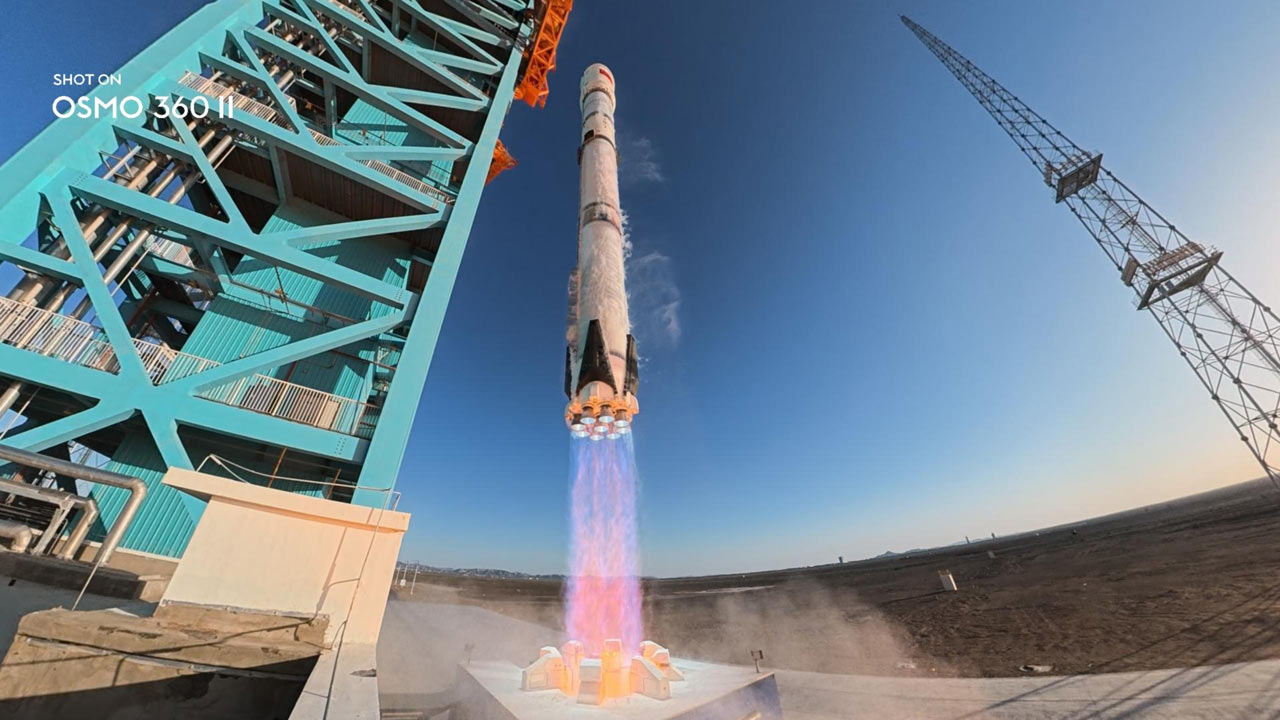
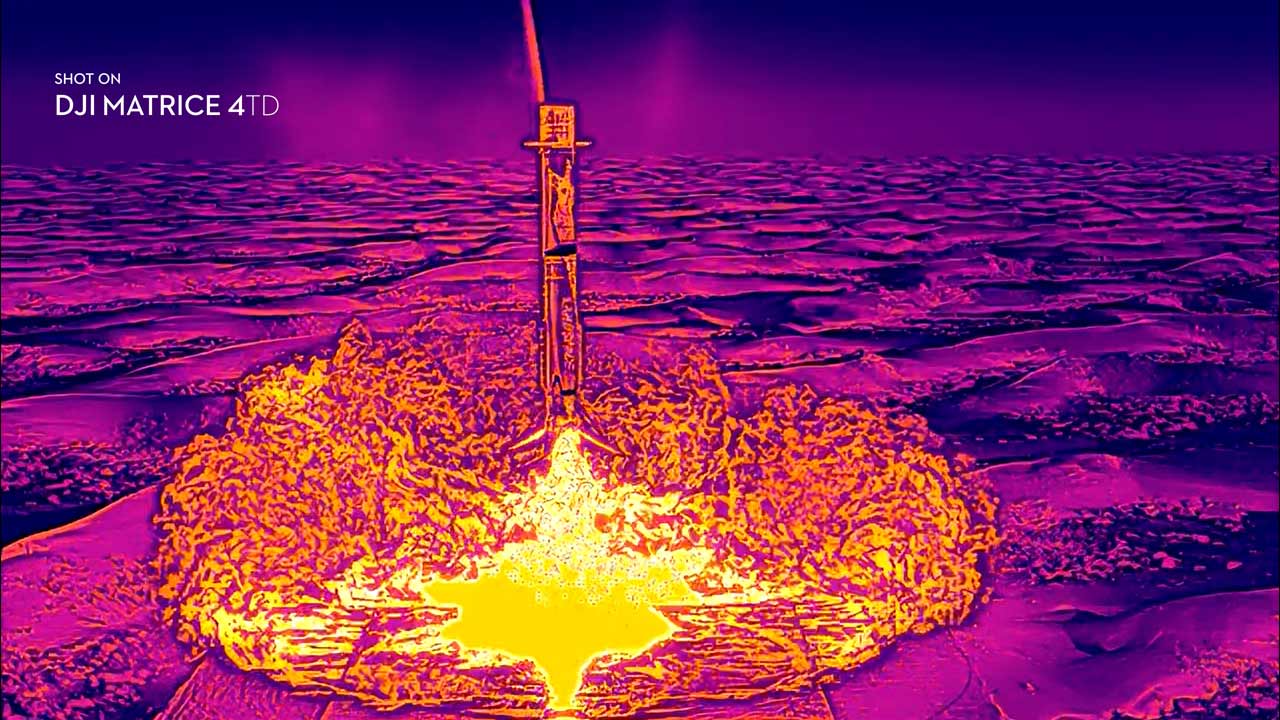
This network consists of the Mavic 4 Pro for aerial photography, the Matrice 4TD for infrared thermal imaging, the Osmo 360 II for 360° panoramic photography, and the Osmo Pocket 4P for cinematic video capture. By combining these DJI products, in addition to situational awareness and thermal imaging from high altitudes, ground-level footage was also recorded, capturing the launch and recovery process from multiple perspectives.