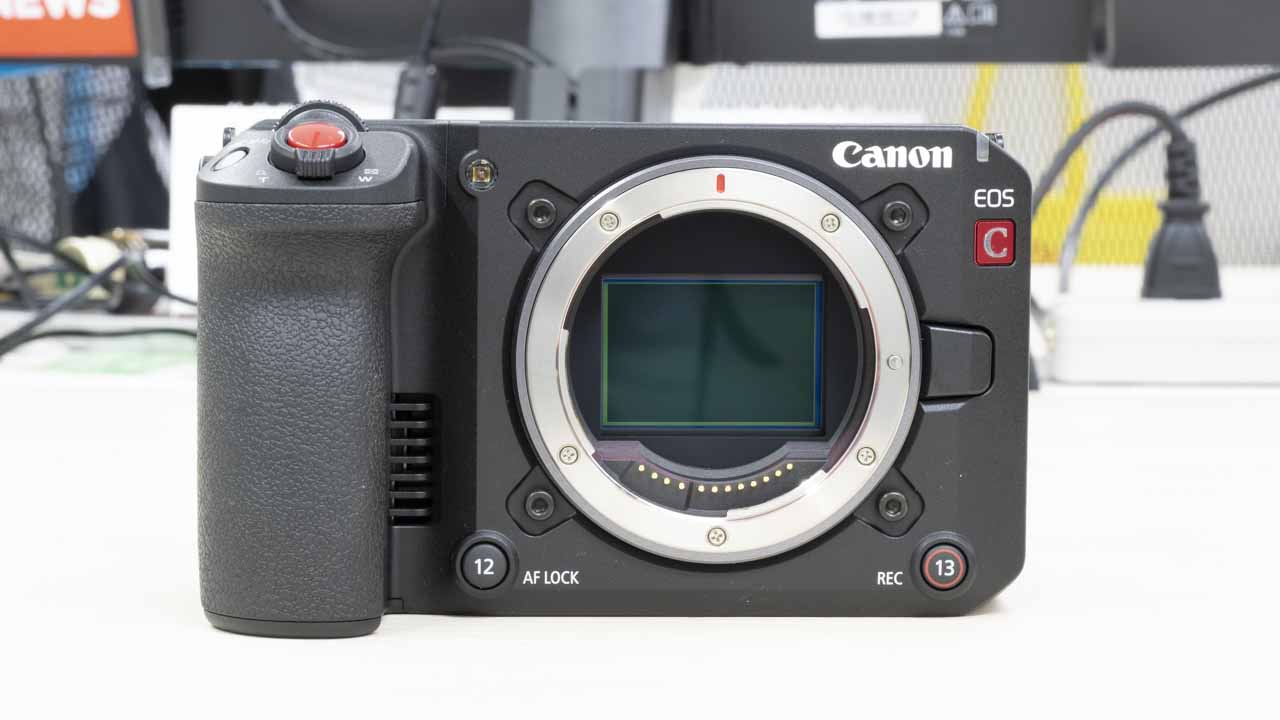
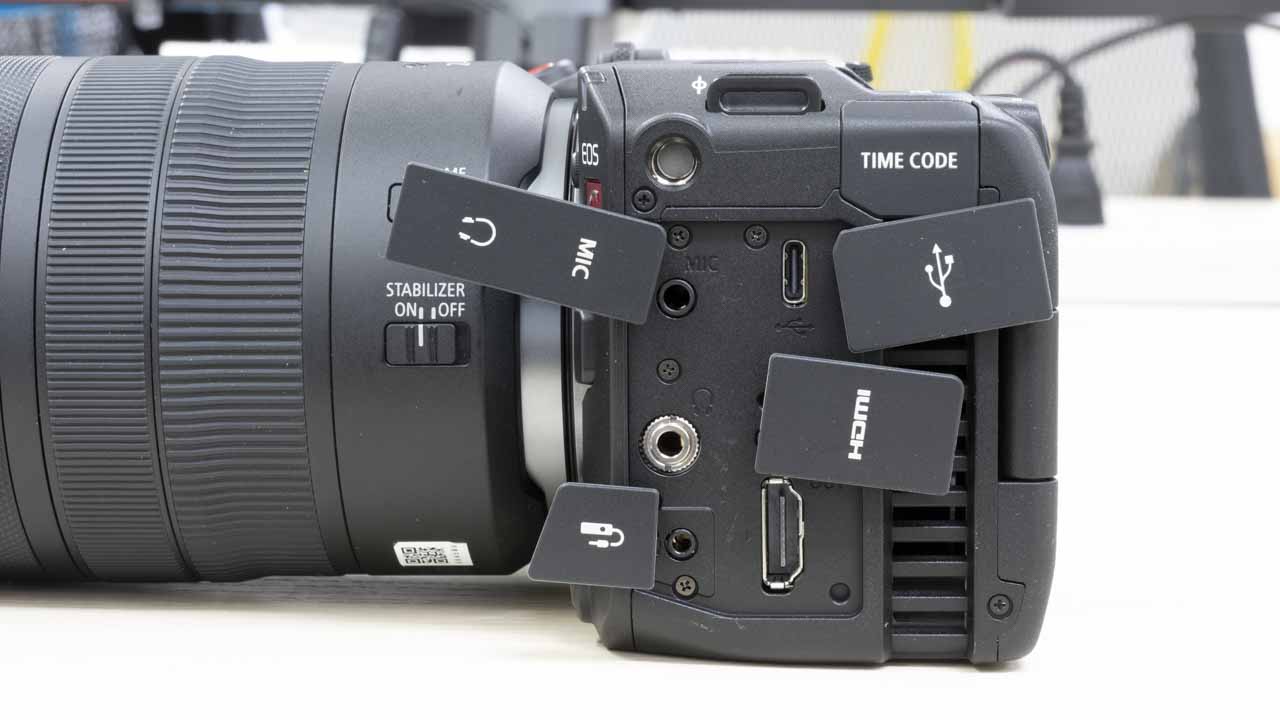
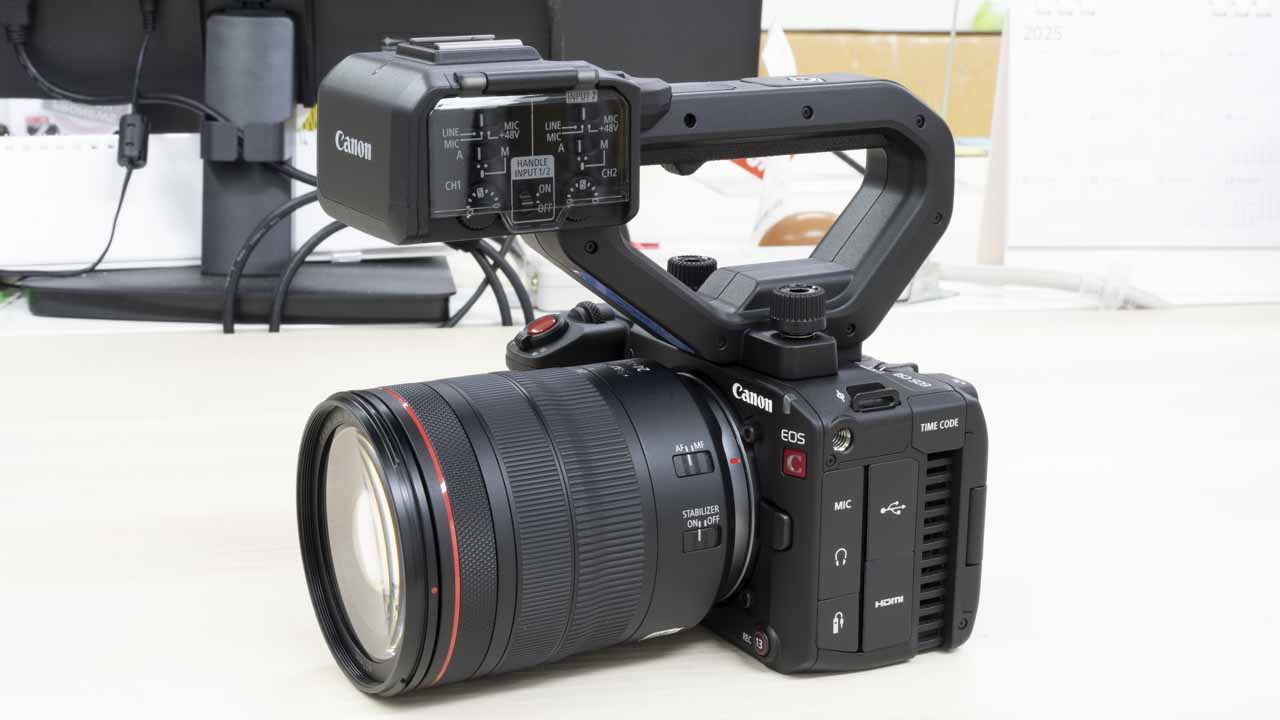
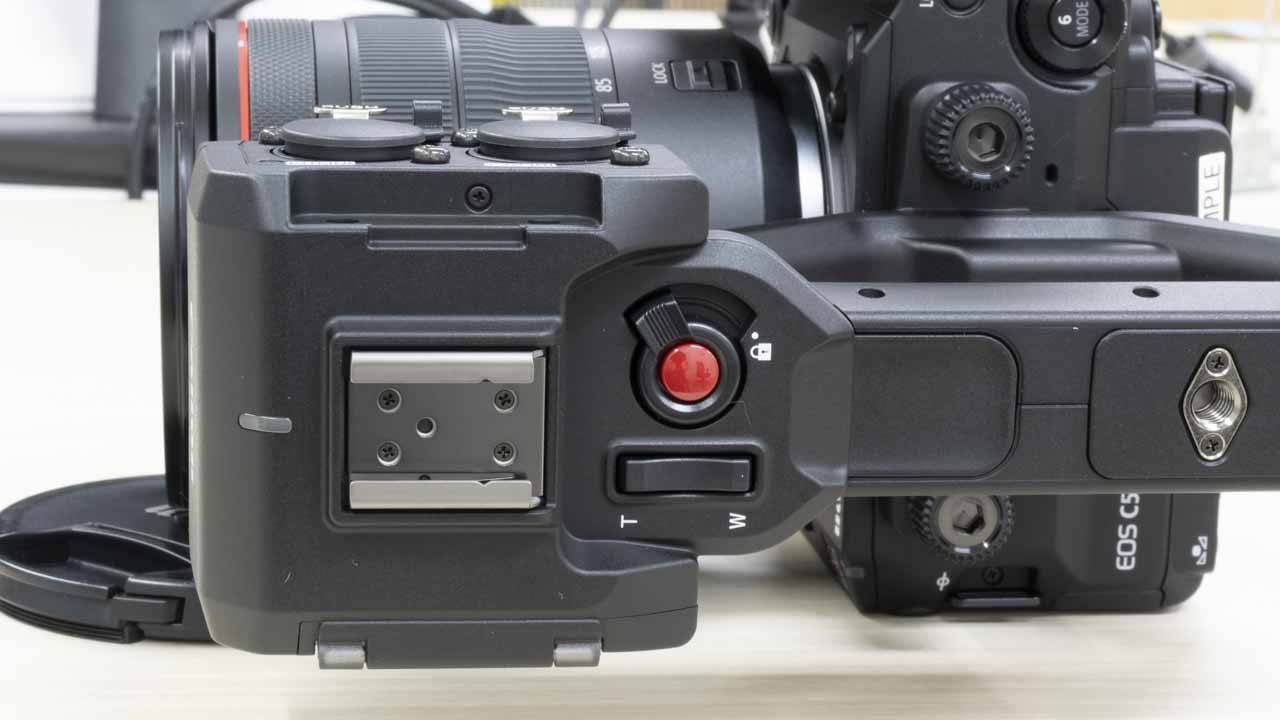
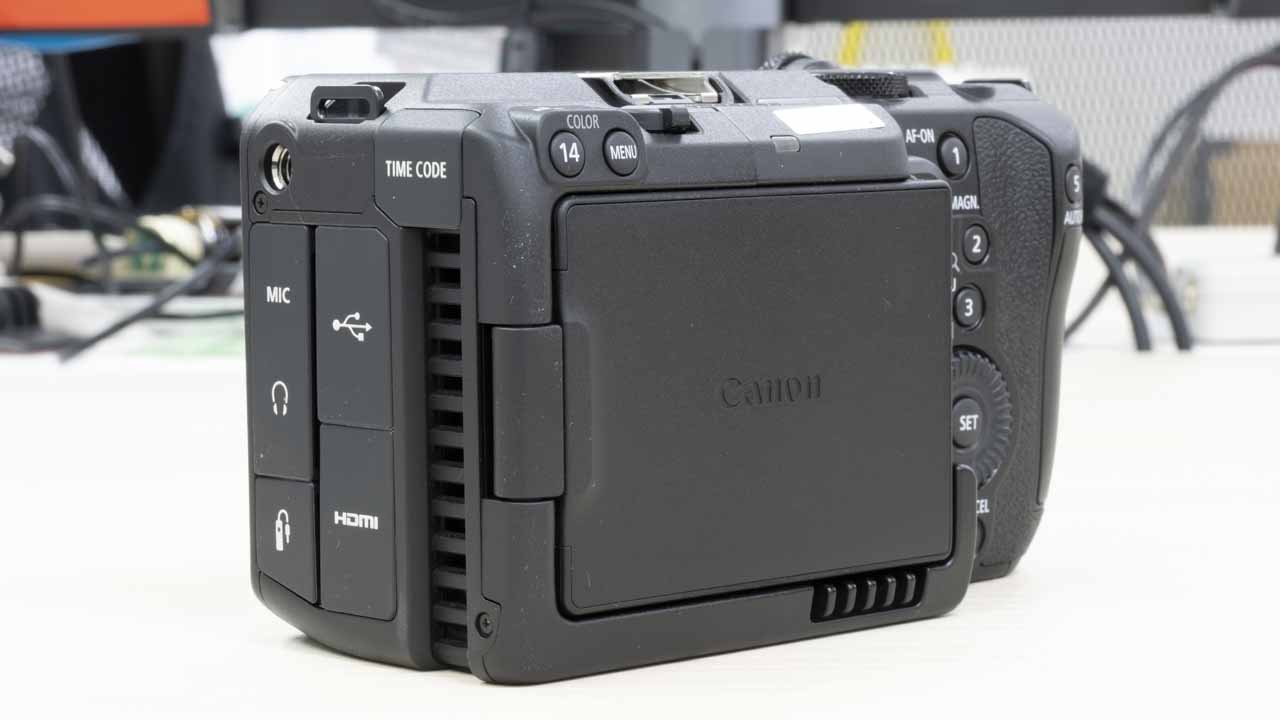
Canon announced that it will add a new cine camera, the EOS C50, to its Cinema EOS System lineup of filmmaking equipment. The camera is scheduled to be released in late November 2025. In recent years, Canon has expanded its product lineup to meet the diversifying demands of video production. Among these, the EOS C50 is a strategic product positioned between professional and entry-level models. It was developed to be an entry point into the world of full-fledged CINEMA EOS cameras, while also being easy to use in everyday work. Additionally, the cinema camera market has seen equipment become cheaper and more compact, leading to an increase in the number of independent filmmakers. The EOS C50 offers a new option to this ever-expanding market, from professional photographers to individual filmmakers. The core of this performance is the newly developed 7K full-frame CMOS sensor. It supports RAW recording at up to 7K resolution, enabling the capture of high-definition images rich in color information. In particular, “Open Gate Recording,” which records all pixel information from the sensor in a 3:2 aspect ratio, allows for free framing and cropping of images into common formats such as 16:9 or 17:9 after shooting, greatly increasing the degree of freedom during editing. Recording formats include the 12-bit “Cinema RAW Light,” which increases editing freedom in post-production, as well as the ability to simultaneously record proxy data for editing in “XF-AVC S” or “XF-HEVC S” formats. In terms of functionality, the Canon EOS C50 supports high frame rate shooting at 4K120P and 2K180P, which allows for smooth slow-motion expression. It also comes equipped with a “simultaneous crop recording” function that streamlines social media content production. This allows for the main horizontal video to be recorded on a CFexpress Type B card while simultaneously recording vertically cropped video suitable for playback on a smartphone on an SD card, enabling efficient workflow even for one-person operation. The autofocus system inherits the proven Dual Pixel CMOS AF II technology from higher-end models and has been further improved. It offers more precise and reliable focus tracking performance, including the ability to choose whether to prioritize the right or left eye when photographing people, and the addition of a new “bird” animal detection option. The color expression power that is a feature of the CINEMA EOS SYSTEM has also been inherited. While maintaining the color science that achieves faithful color reproduction, especially skin tones, the camera now supports Canon Log 2, which increases the freedom of color grading in post-production. This ensures a wide dynamic range and enables rich gradation expression. The operability and reliability have also been designed to meet the demands of video creators. In response to many user requests, a full-size HDMI terminal is included as standard, improving the stability of connections to external monitors. The connector layout of the Canon EOS C50 does not interfere with the movement of the movable LCD monitor even when the cable is connected, and the camera also features a “Vertical Shooting UI” that automatically rotates the menu display when the camera is held vertically. The body is equipped with an efficient heat dissipation mechanism, ensuring a wide operating temperature range of 0 to 40 degrees. By combining the standard time code terminal with the control app, it is also possible to shoot with multiple cameras linked together. The Canon EOS C50 also has a full range of still image capture functions, allowing you to record 32-megapixel still images while shooting video in Cinema mode.It also has high-speed continuous shooting at up to approximately 40 frames per second, and a “pre-shooting” function that allows you to start recording approximately 0.5 seconds before pressing the shutter button, making it a highly functional still camera. The lens mount is a native RF mount, and EF and PL mount lenses can also be used via a mount adapter, providing high expandability. The new Canon EOS C50 is part of the company’s extensive lineup of mirrorless cameras, but it was not developed based on any particular existing model. At its heart is a newly developed sensor that has not been borrowed from any other model and was developed based on a completely new concept, making the EOS C50 a completely original model. In terms of product positioning, it can be seen as having performance equivalent to that of the EOS R5 and EOS R6 in the EOS R series of still image cameras, but its development history and design philosophy are fundamentally different. In particular, there is a line that is difficult to cross between it and the EOS R5 C, which can be compared as a hybrid camera for video and still images. While the EOS R5C was developed based on the high-performance EOS R5 still camera and incorporated the video capabilities of the Cinema EOS System, in other words, with the idea of ”expanding from a stills camera to a video camera,” the starting point for the EOS C50 is the exact opposite. It was first planned and designed as a pure “cinema camera,” and then incorporated high-performance still photography functions, making it a product of a truly “reverse thinking” approach. This fundamental difference in development philosophy goes beyond simply adding or removing features. Everything about the camera, from the body design, which was carefully thought out with video shooting as the top priority, to the operating system and internal heat treatment, can be said to be the result of pursuing the optimum solution for a cinema camera. Although the still image shooting capability is also implemented at an extremely high level, this is only within the scope of what does not compromise the core of the CINEMA EOS. Therefore, the EOS C50 is not a derivative model of any existing camera, but rather a camera with an entirely new concept, created from scratch to confront the act of filmmaking itself. As explained above, the Canon EOS C50 and EOS R5 C were developed from different starting points, but the EOS R5 C will continue to be sold alongside the EOS C50. Let’s take a look at the specific differences between them. The EOS R5 C is suitable for situations where 8K resolution recording or shooting using an electronic viewfinder (EVF) is essential, but for most other video production situations where a higher level of image quality and operability is required, the EOS C50 is a strong choice. Specifically, the EOS C50’s low-light shooting capabilities have been strengthened by increasing the base ISO sensitivity to 800/6400. In addition, the camera’s basic performance, which is directly linked to reliability on location, has been improved across the board, including autofocus performance, interface, and heat dissipation design. Furthermore, the EOS C50 is equipped with a unique digital zoom function that allows up to 4x magnification with minimal degradation in image quality (except when recording in RAW). This function makes it possible to use a single prime lens as if it were a telephoto lens, greatly expanding the scope of expression in situations where changing lenses is difficult or where equipment is limited. The handle unit is equipped with a “handle zoom rocker and REC button” that allows recording operations while holding the camera, allowing for smooth zooming to suit your shooting intentions. Users considering purchasing Canon’s new EOS C50 will likely also compare it with its higher-end model, the EOS C80. There are several clear differences between the two cameras, not just in price, but that will determine the shooting style and workflow itself. First, the presence or absence of features important in professional video production is a major factor that separates the two. The EOS C80 comes standard with a thin built-in ND filter and an SDI output, a professional video terminal. The built-in ND filter allows for precise exposure adjustments without the hassle of changing lenses or changing the aperture, making it an essential feature for shooting while maintaining a consistent depth of field. Additionally, the SDI output minimizes signal degradation even when transmitting video over long distances, making it the standard for broadcasting, live streaming, and use of multiple cameras. The EOS C50 does not have these features, and this is the first deciding factor in your choice. The crucial difference in terms of operation is the battery system and its duration. While the EOS C50 uses the same battery (LP-E6P/LPE6NH) as mirrorless cameras and has a continuous shooting time of around 60 to 90 minutes, the EOS C80 is compatible with a large-capacity professional battery, which allows for long shooting times of around 3 hours as standard, and up to 6 hours with a larger capacity battery. ¥ This clearly reflects the difference in operational philosophy: whether you are using it for mobile shooting with frequent battery changes, or for long events or documentaries where uninterrupted recording is the top priority. Another difference is the image sensor, which determines the quality of the image. The EOS C80 uses the same sensor as the higher-end cinema camera, the EOS C400. This sensor offers clear advantages, particularly in low-light conditions, as it delivers excellent performance and records images with less noise and more color. In conclusion, the choice between the EOS C50 and the EOS C80 largely depends on the features and shooting style desired by the creator. If features required in traditional filmmaking, such as a built-in ND filter, SDI output, and long battery life, are essential, the EOS C80 is the better choice. If you are aiming for a more compact system, and these features are not necessarily required, the EOS C50 is the better choice. Finally, let’s compare it with the Sony FX3. Canon’s new product is positioned to compete with Sony’s FX3, a leading player in the video production market, in its price range. However, when comparing the two in detail, although the prices are similar, there are clear differences in performance and design philosophy. This is a move by Canon to offer a different value proposition to a market that has long been dominated by certain products, offering new options to video producers. First, there are differences in the characteristics of the image sensor, which is the core of performance, and the functions that accompany it. While Sony’s FX3 has a relatively low pixel count and pursues high sensitivity, Canon’s new product is equipped with a higher pixel count sensor. This high pixel count characteristic seems to offer concrete advantages in modern content creation. For example, this high-pixel sensor makes it possible to simultaneously capture and record vertically oriented footage while capturing the main horizontal image, a function that is becoming increasingly popular amid an increase in deliveries for social media. This allows for a complete workflow that efficiently handles a variety of delivery formats, even with single-operation shooting. The difference in the two companies’ product development philosophies is also clearly evident in the design of the camera body. While Sony’s FX3 is characterized by its compact size and light weight, and its high portability, Canon’s new product takes a different approach. The body is thick, but this is due to the inclusion of an efficient cooling fan. This suggests that the design philosophy prioritized reliability over compactness, ensuring stable operation without stopping due to heat issues even during long periods of shooting. As you can see, although the two products overlap in price range, they have very different characteristics. Do you prioritize portability with a compact, lightweight design, or do you trade off size for reliability? Or do you take advantage of the versatility of a high-pixel sensor? This new option presented by Canon offers creators an opportunity to reconsider what equipment is best for them based on their own shooting style and creative goals.Canon Announces the EOS C50
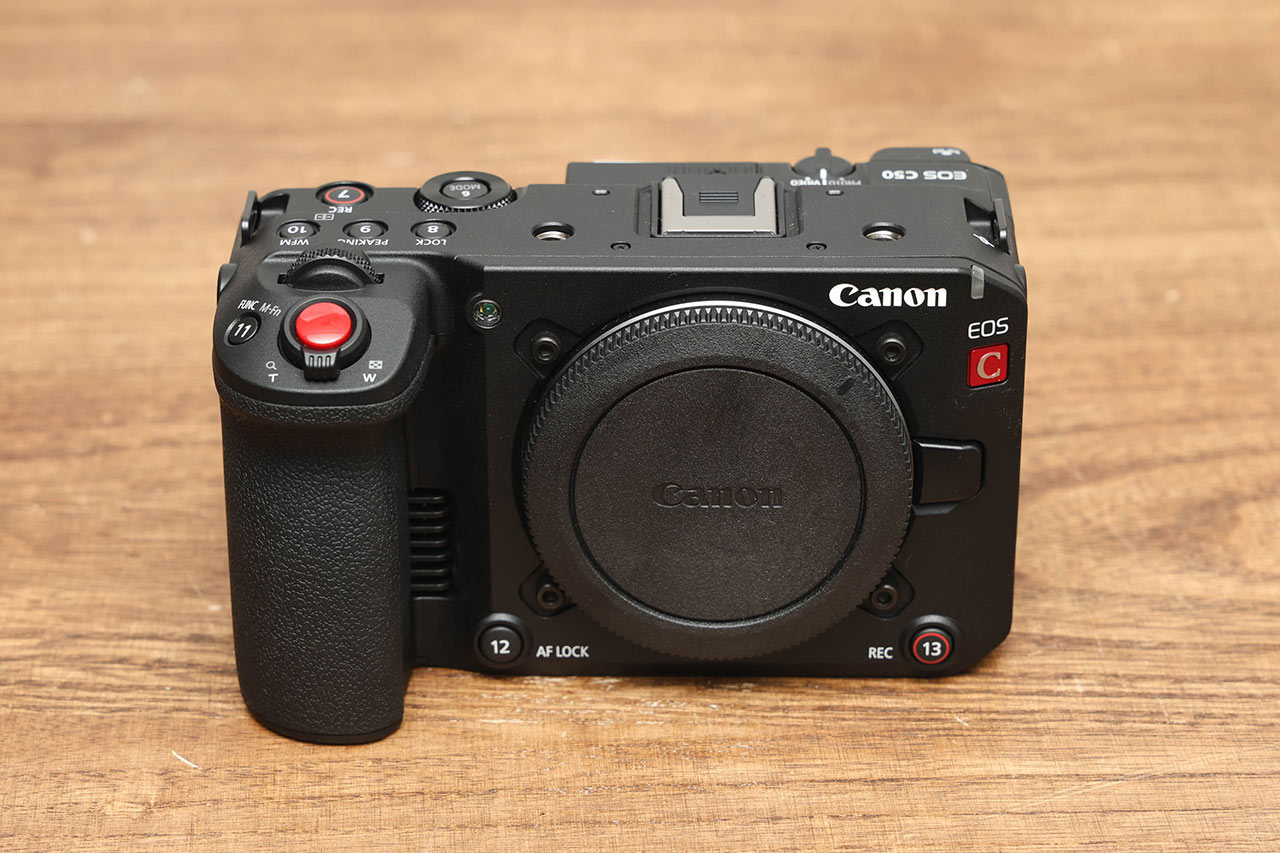
Newest Addition to the EOS Cinema Line

Newly developed 7K full-frame CMOS sensor delivers high image quality and flexibility
Recording Formats
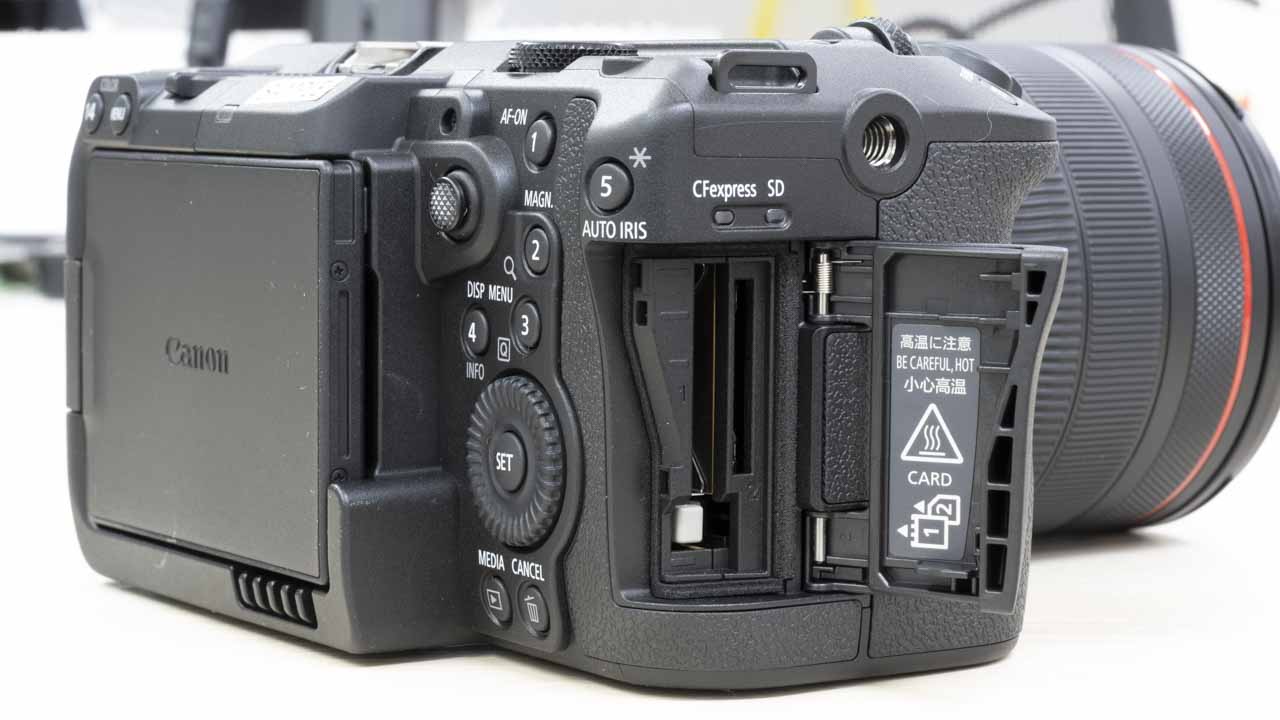
Dual Pixel CMOS AF II Technology
Easy to Connect Without Interfering the Movable LCD Monitor

Still Image Functions
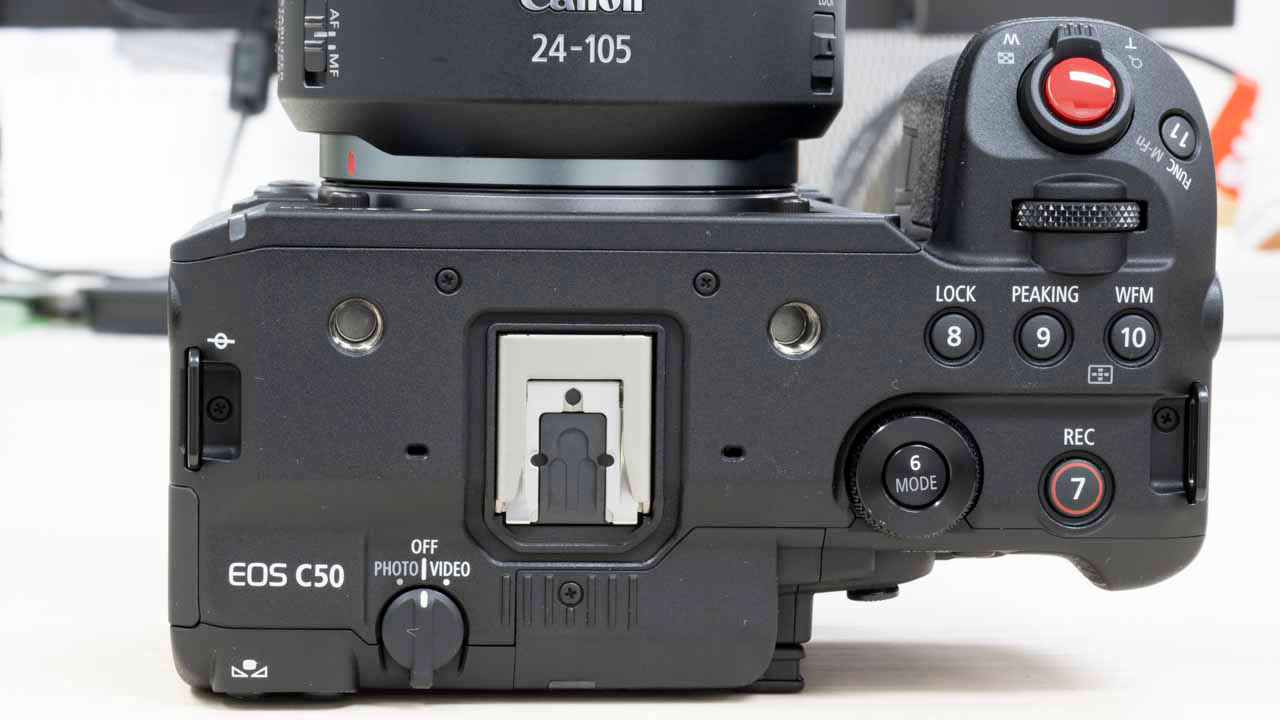
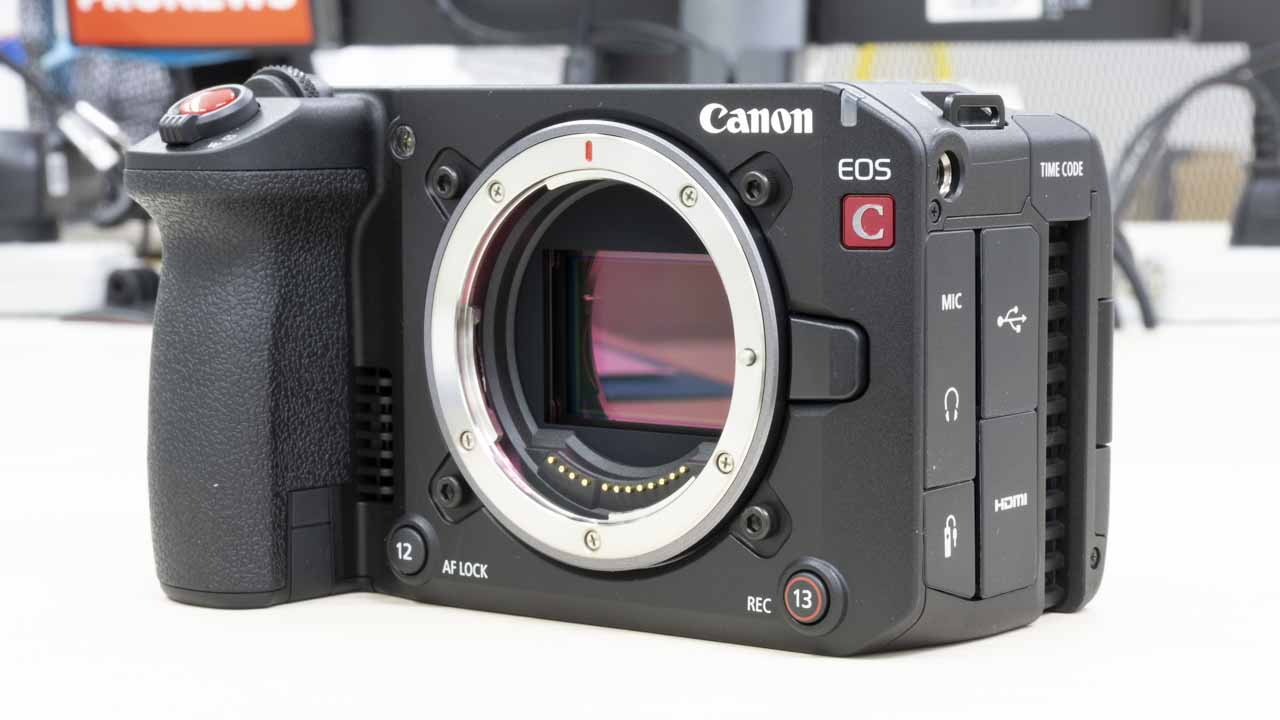
Unlike the still-image-based “R5 C,” the “Canon EOS C50” is a “cinema camera”
The Philosophy Behind This Camera
Clear differentiation from the EOS R5 C, pursuing video performance with unique advancements such as digital zoom
Digital Zoom Function
The crucial differences between the Canon EOS C50 and the higher-end EOS C80
Difference in Features
SDI Output
Battery System
Image Sensor
Competing on price, differentiating on philosophy: The difference between Canon’s new product and the Sony FX3
Sensor Differences
Philosophical Differences Between the Companies


Canon EOS C50 – Newest Addition to EOS Cinema Line
A New Model Connecting Professionals and Individual Creators Alike

Godox Litemons SR20R LED Ring Light Announced
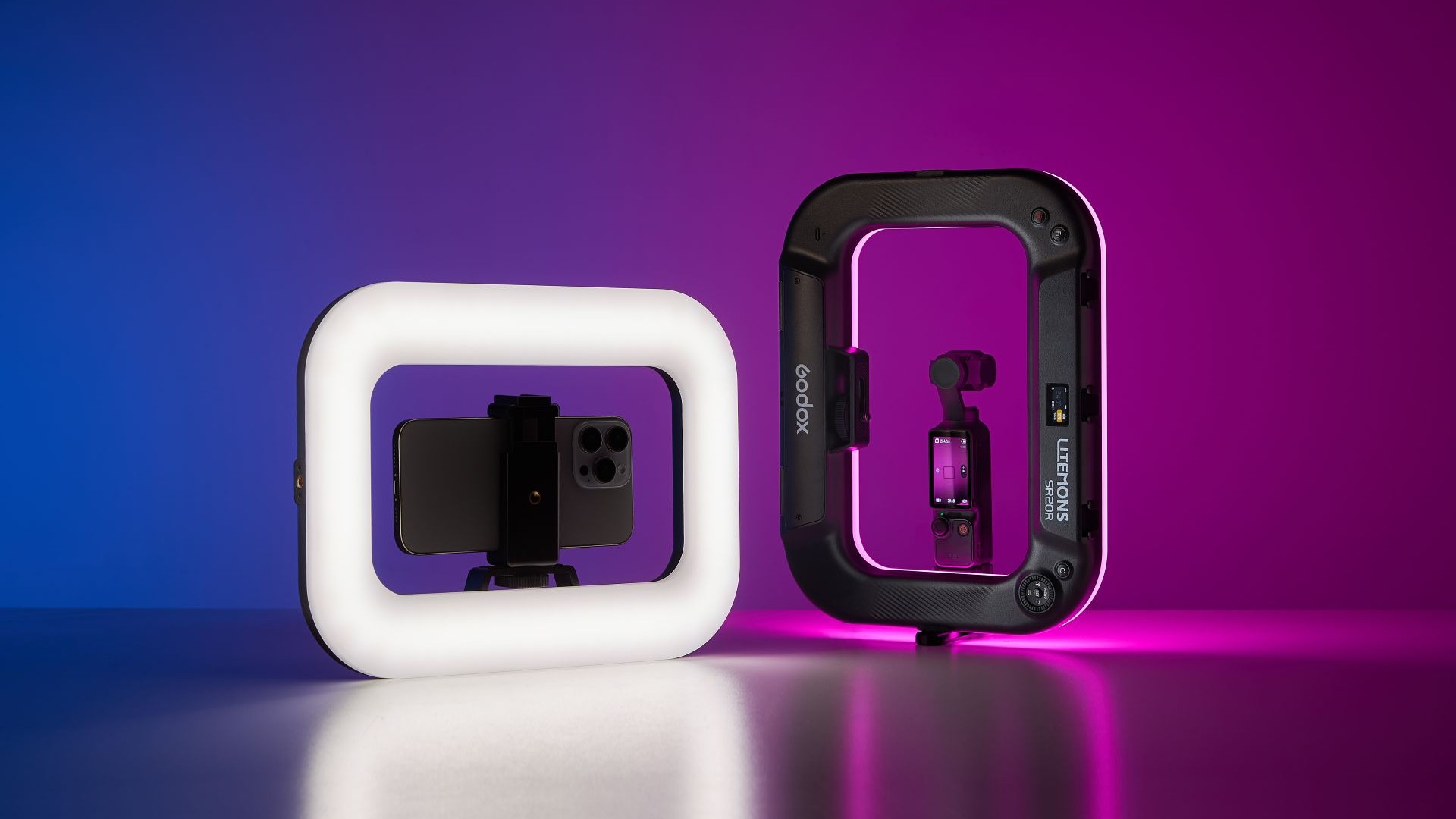
Godox announced the "Litemons SR20R," a versatile full-color LED light panel that provides soft lighting, creative lighting effects, and convenient...
Read moreDetails