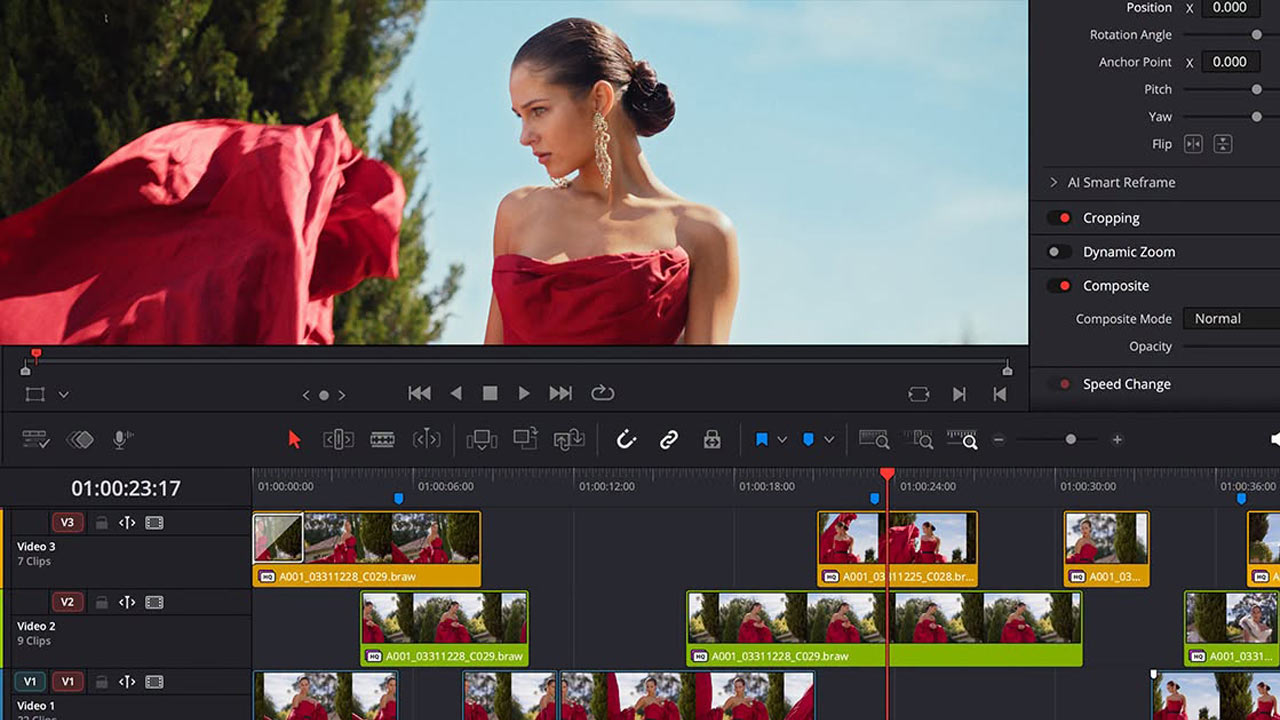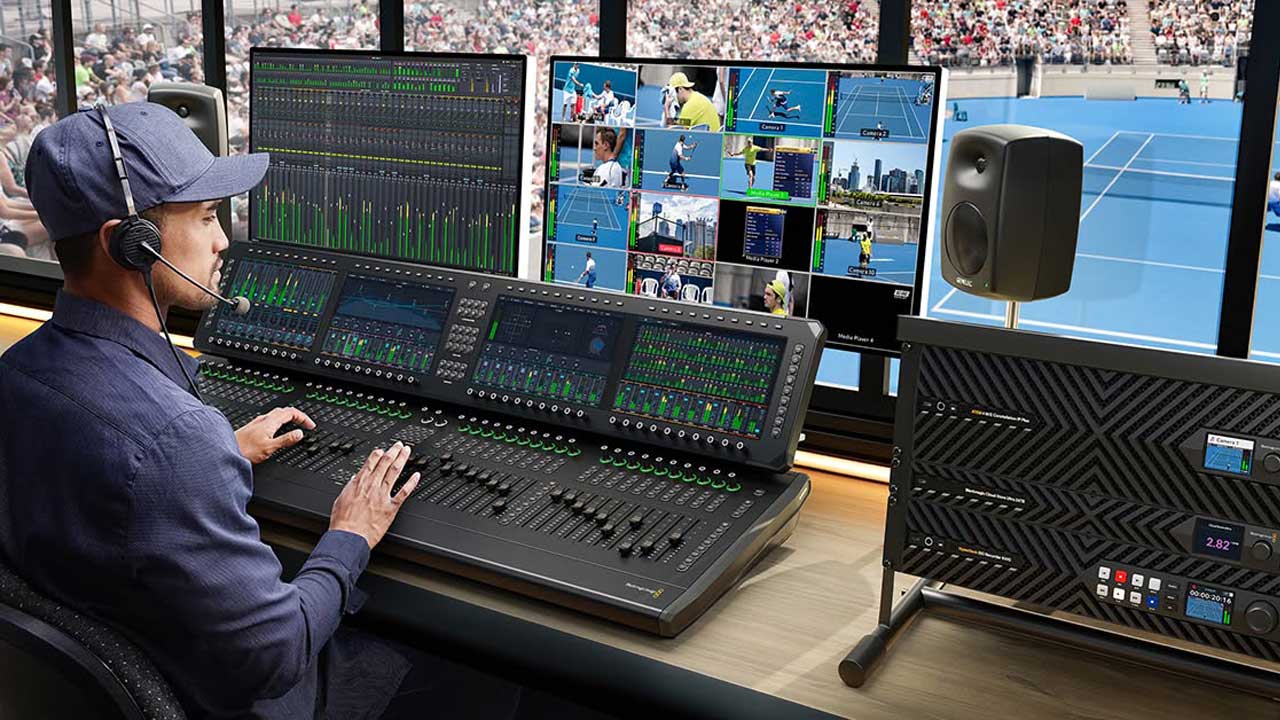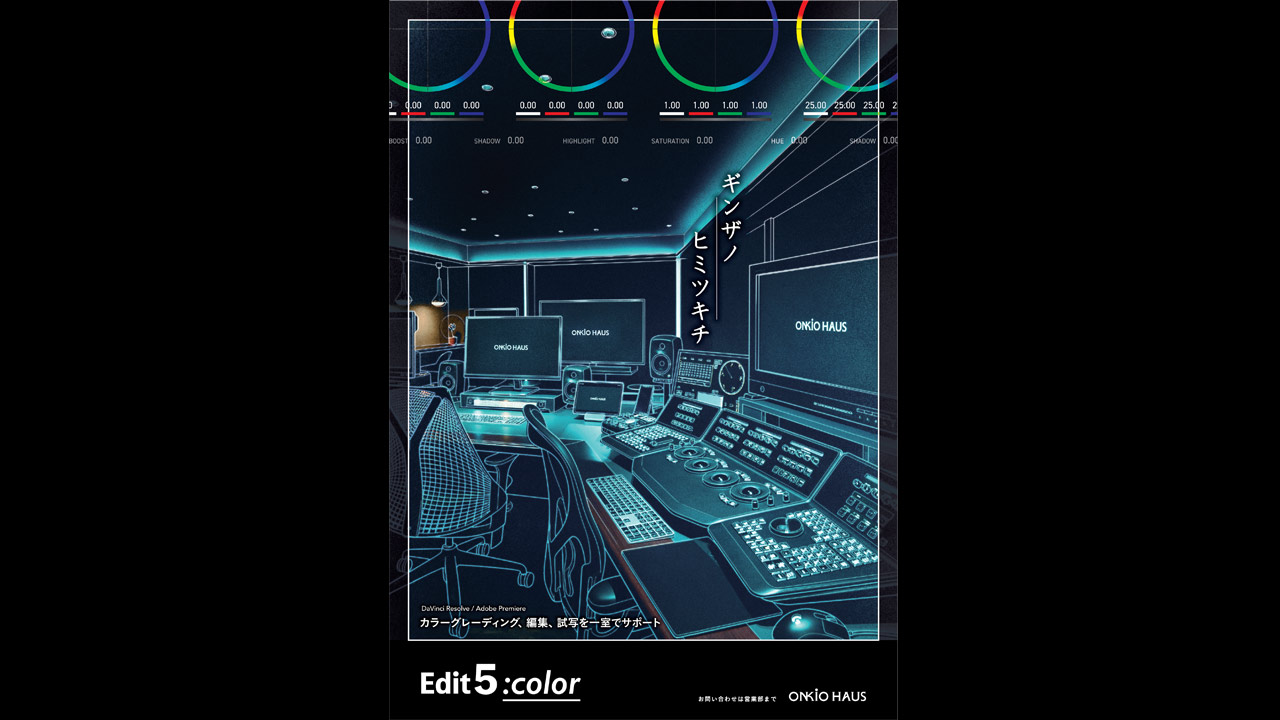
Onkio Haus revamped its online editing suite “Edit 5” into “Edit 5:color,” a hybrid system equipped with a full-fledged grading environment centered around DaVinci Resolve and an editing environment using Adobe Premiere Pro/After Effects.
The space is designed with the creator’s comfort in mind, from the placement of consoles and lighting fixtures to the wall materials, providing an environment where everything from client screenings can be conducted in one place. The concept is “The next generation of THE STANDARD,” which strongly reflects the company’s 53 years of hands-on experience and its commitment to being a “studio that is constantly evolving.”
Edit 5:color – Onkio Haus’s first hybrid-only room
While it was previously possible to use DaVinci Resolve and Premiere Pro together by swapping equipment, they have now opened a dedicated hybrid room equipped with both applications as a standard environment. The aim is to create a sense of closeness where directors, producers, editors, colorists, and clients can share the “work” in the same space, with colorists refining colors while editors work on editing and effects next to them, seamlessly handing over their work.
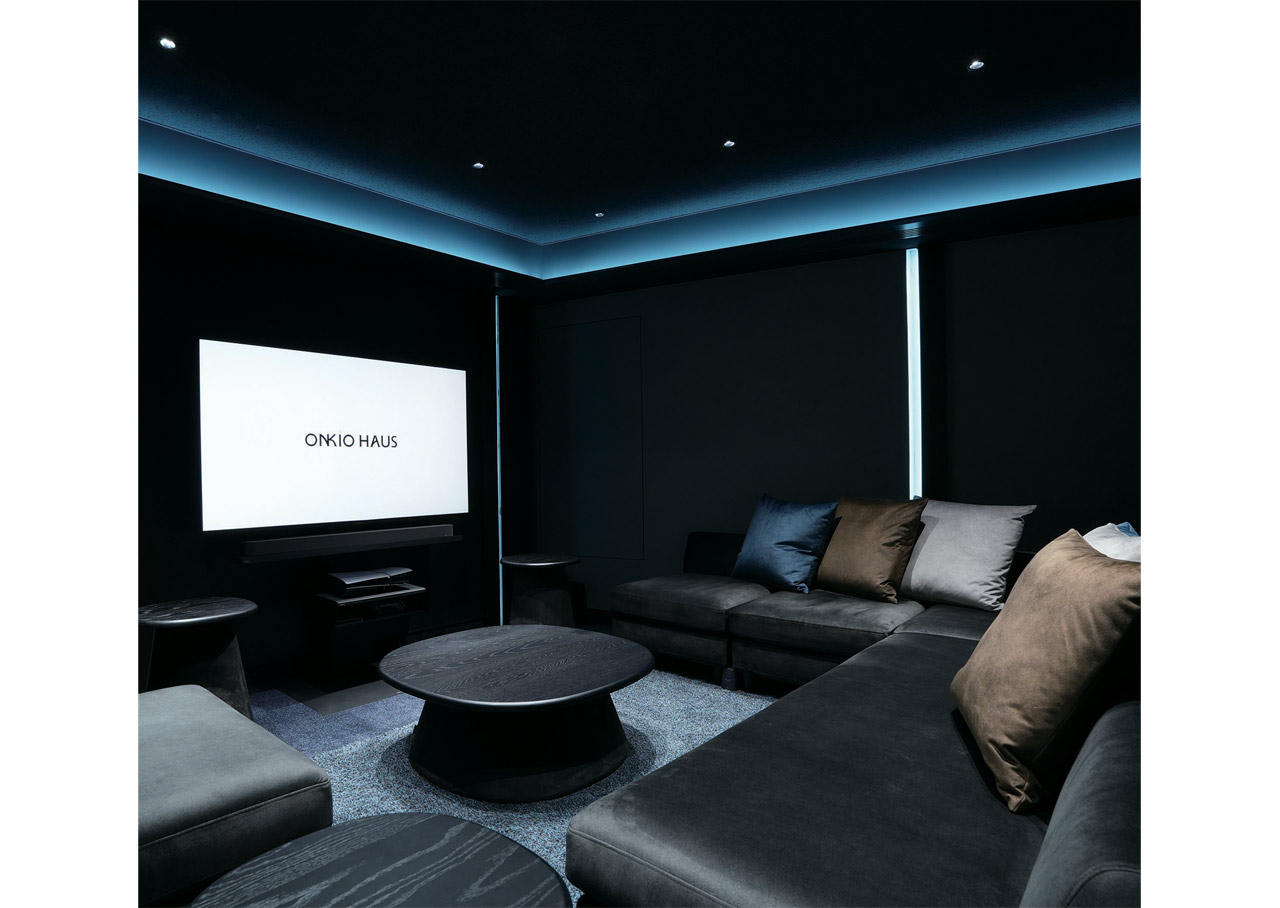
By installing DaVinci Resolve and Premiere Pro on separate Macs, smooth and stable simultaneous operation of both applications is achieved. Furthermore, it offers flexible support for external equipment and allows for simultaneous operation with Autodesk Flame and other applications.

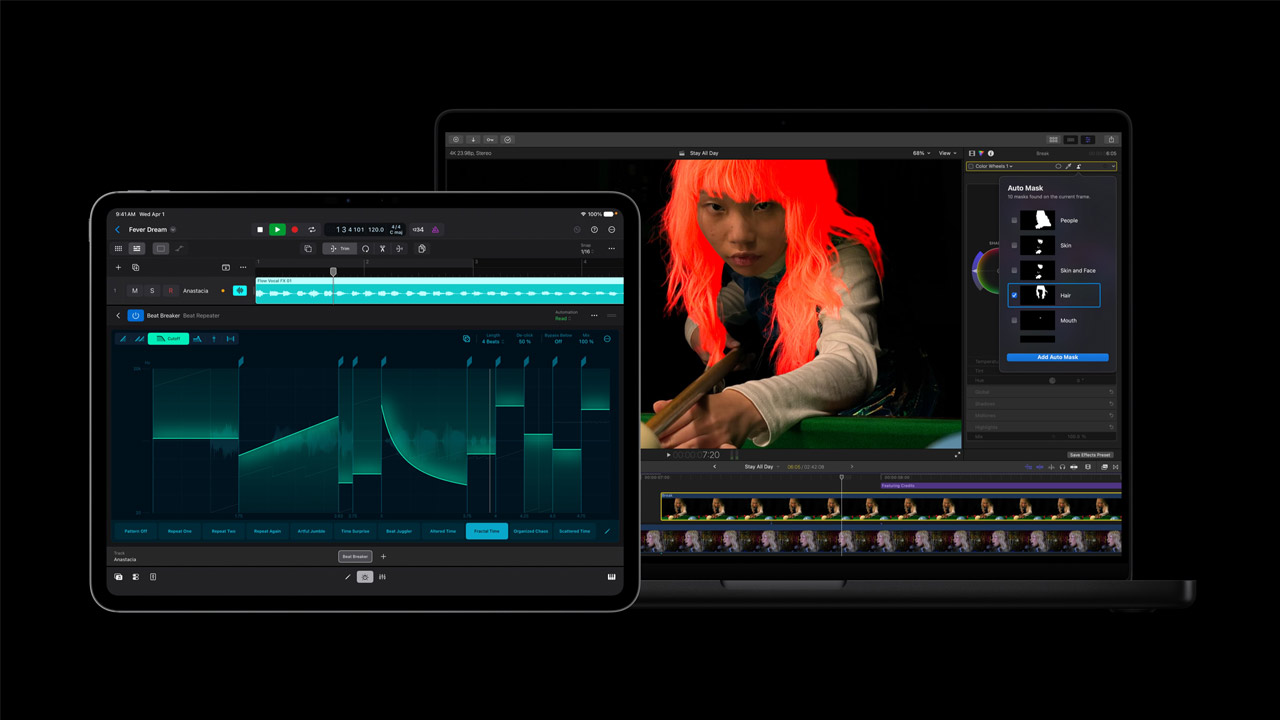
We have also enhanced the remote preview environment, enabling real-time verification using iPhones and iPads, thereby improving our ability to handle web content creation, including OTT applications.

Thoroughly creative spatial design
The company were meticulous about creating a “creative space design,” even down to the wall materials and lighting.
To control reflectivity and create an environment that does not affect color judgment during color grading, diatomaceous earth plaster with an 18% gray base was used for the wall material. In addition, the placement of the DaVinci Resolve monitors was carefully designed so that the light from the client monitors would not affect color judgment.
The lighting design has also been completely revamped, adopting Endo Lighting Corporation’s “Synca” lighting system, which reproduces the changes in brightness, color, and color temperature of natural light that shift with the seasons and time of day. It covers a much wider color temperature range than conventional LED lighting, reproducing a wide range of light from sunrise and candlelight (1,800K) to light reminiscent of a blue sky (12,000K). Compared to conventional dimming and color tuning, it reproduces natural light that is closer to the blackbody radiation trajectory, achieving a high color rendering index of approximately Ra95 at 6,500K, equivalent to a standard daylight source, and a high color rendering index of approximately Ra92 in all color temperature ranges.
The “visual preference” that changes depending on the color can be freely adjusted with a single remote control, and it also meets the standards of WELL certification. By introducing a system that prevents the light source from directly entering the field of view and allows for numerical control of color temperature, attention has been paid to color reproduction during grading.
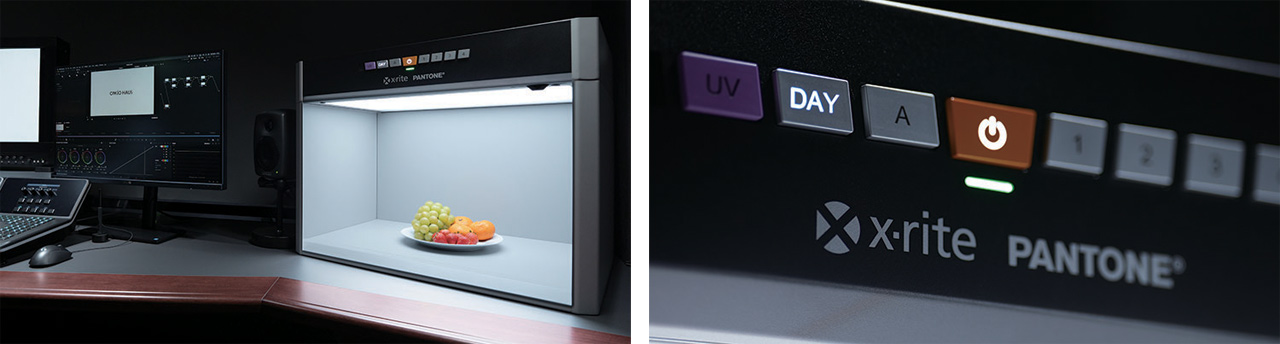
The room is equipped with an X-Rite light booth, which can be used for color management purposes in advertising production, such as checking the actual colors of products. Both the workbench and flooring are made by Kitaju Co., Ltd., a woodworking and building materials manufacturer in Kitami City, Hokkaido, and the finish is carefully chosen for its texture and color to allow for concentration on work.
Furthermore, the company uses clean electricity with a “virtually 100% renewable energy ratio.” They state that they support manufacturing with high quality while also being environmentally conscious.