PRONEWS Reviews – DJI Osmo Nano
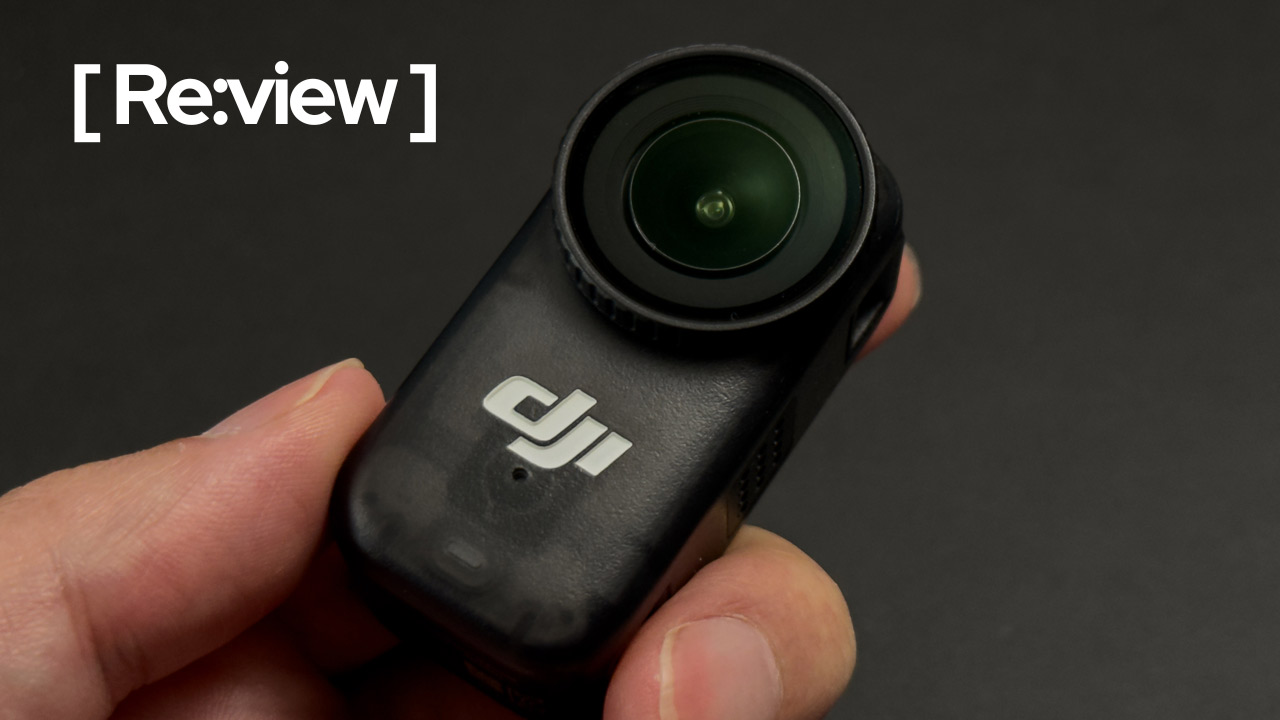
I received the package in a hurry during a business trip to Taiwan. When I unpacked it and took it out of the case, I was surprised at how small and light the DJI Osmo Nano was.
This camera, which is slightly larger than the human thumb, comes equipped with a 1/1.3-inch sensor that boasts a high dynamic range of 13.5 stops. It also supports 10-bit D-Log M shooting, which shows that DJI has not cut corners in its development.
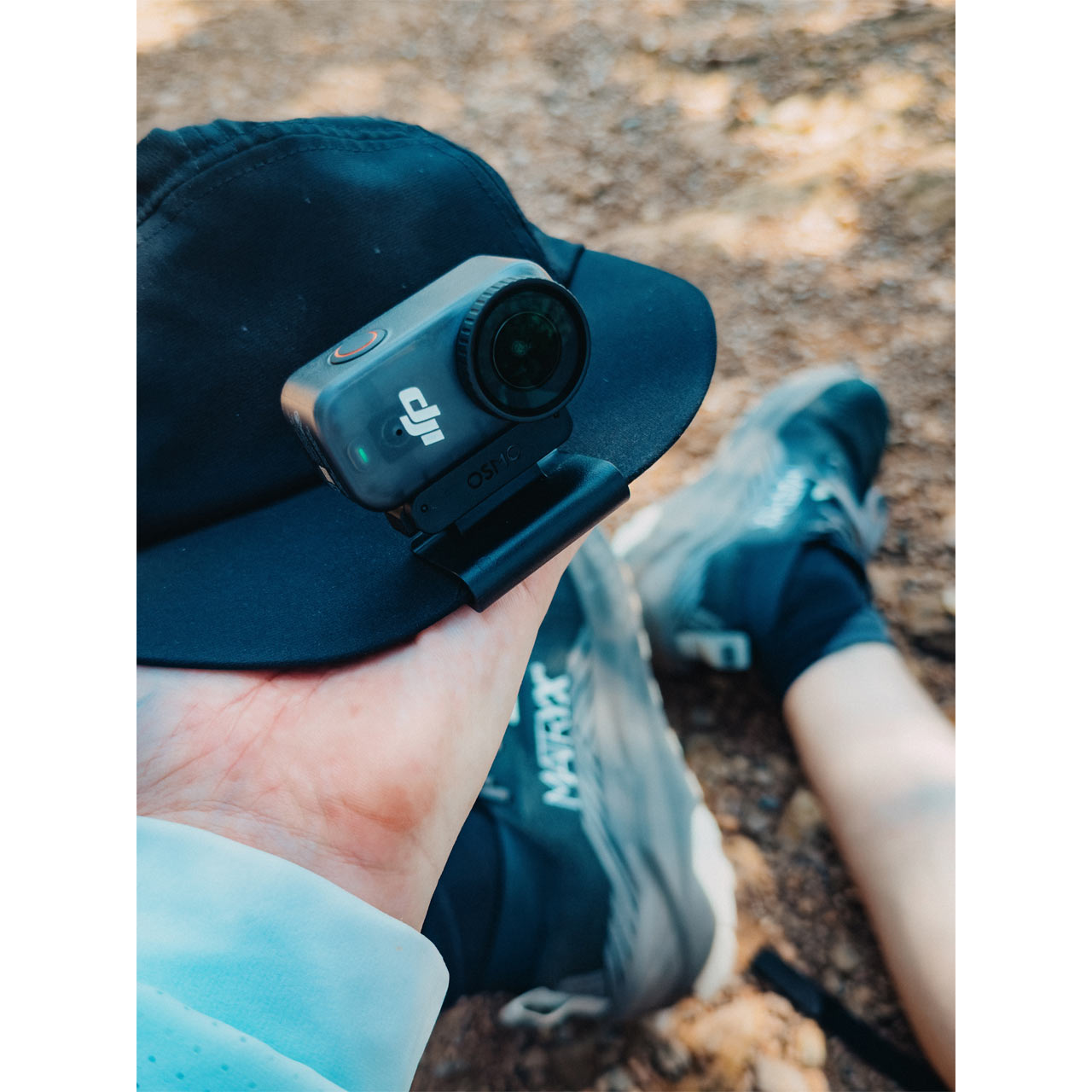
First, let me show you how beautifully it renders images in some footage I shot during a work trip to Hualien County, Taiwan. I shot with the camera handheld, mounted on a lanyard, and on a hat clip. Since an official LUT for the Osmo Action 4, which has the same sensor size, has not yet been released, I used the LUT for the Osmo Action 4 instead, making minor adjustments mainly to the saturation.
Weight and size
First, let’s get a feel for how compact the DJI Nano is by looking at the actual numbers.
Weight comparison
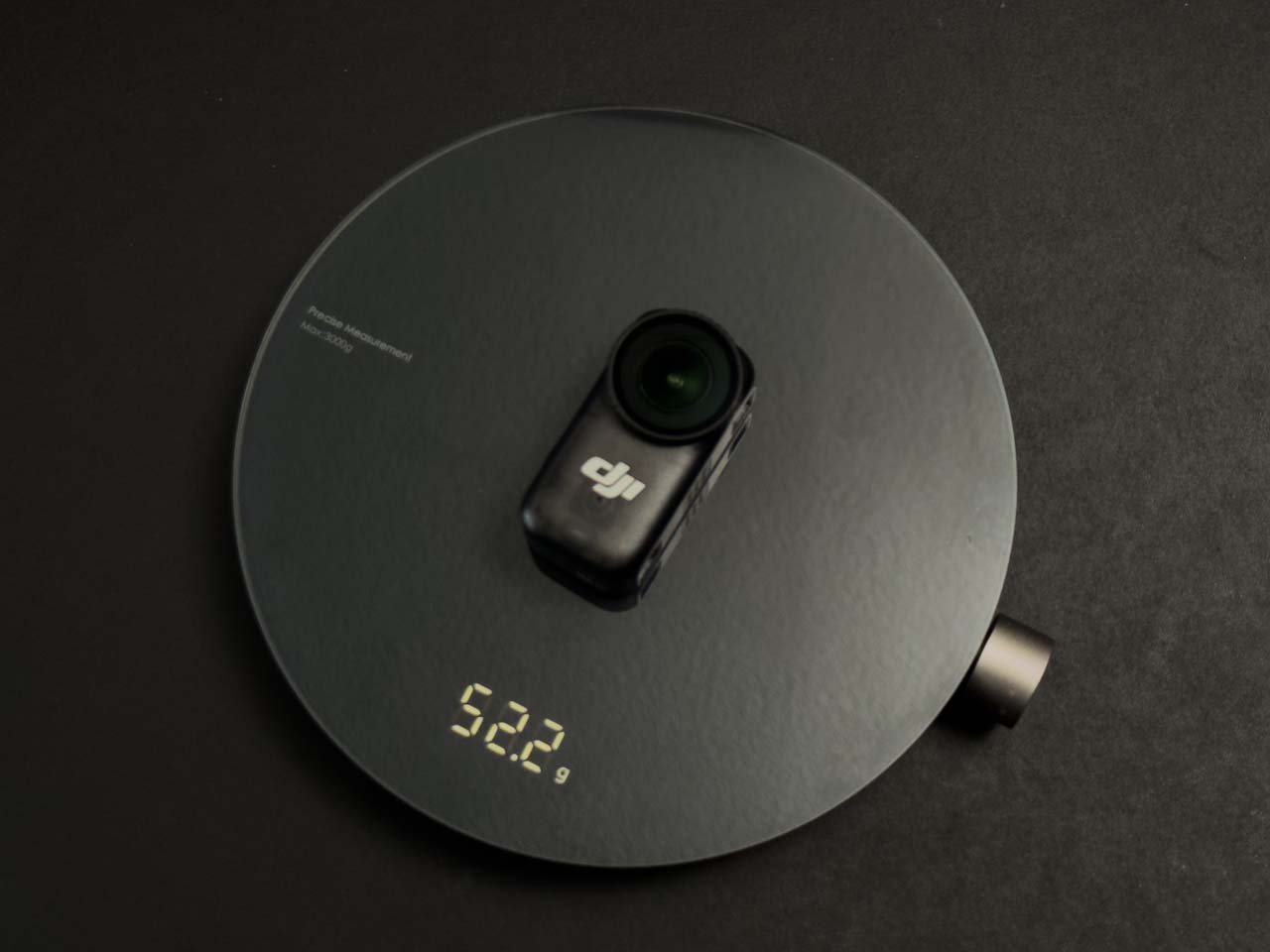
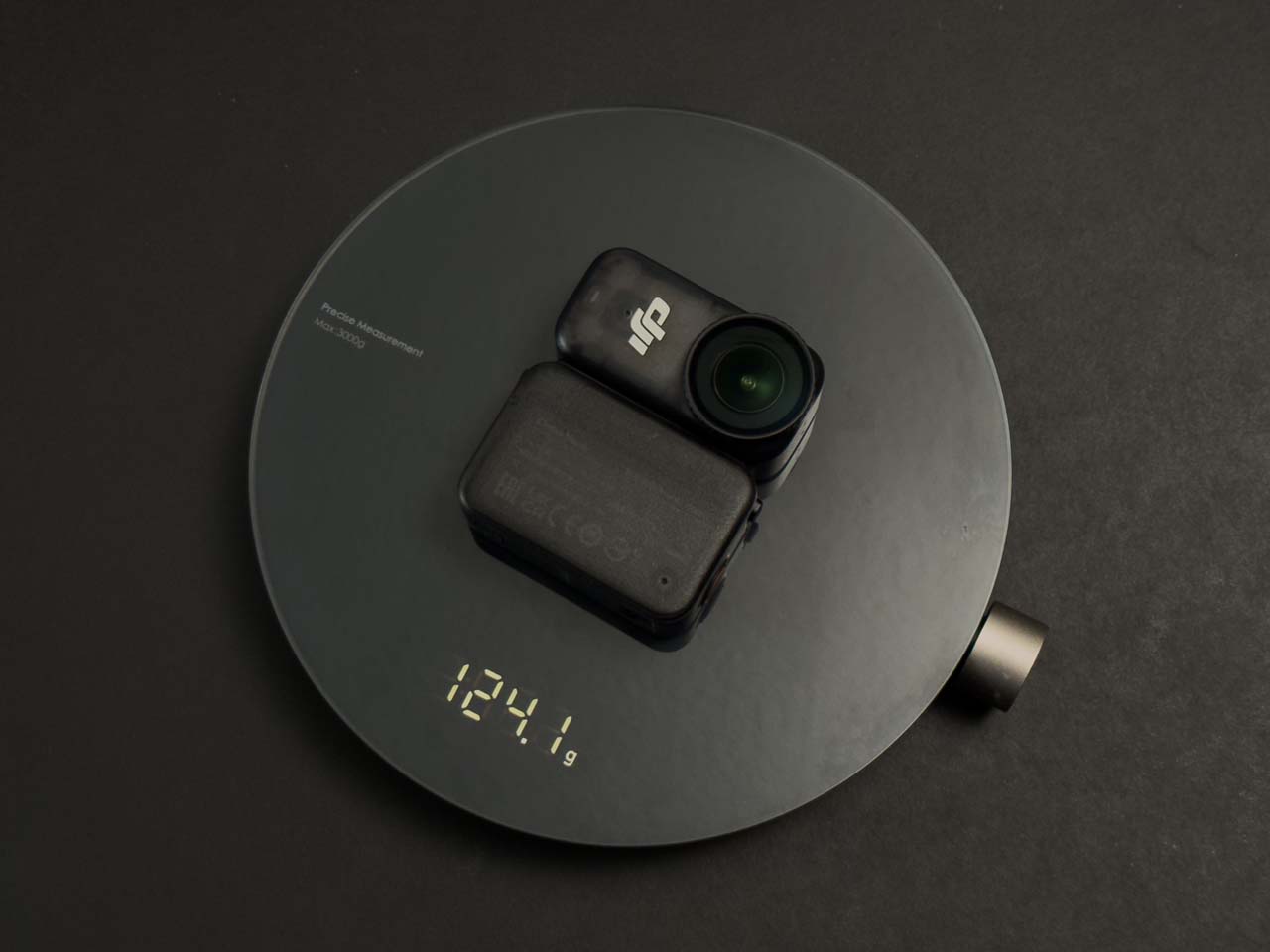


Without the Multi-Function Vision Dock attached, it is one-third the weight of the DJI Osmo Action 4 and even lighter than the Insta360 Ace Pro 2. When you hold it in your hand, it feels even lighter than the numbers suggest.
Size Comparison

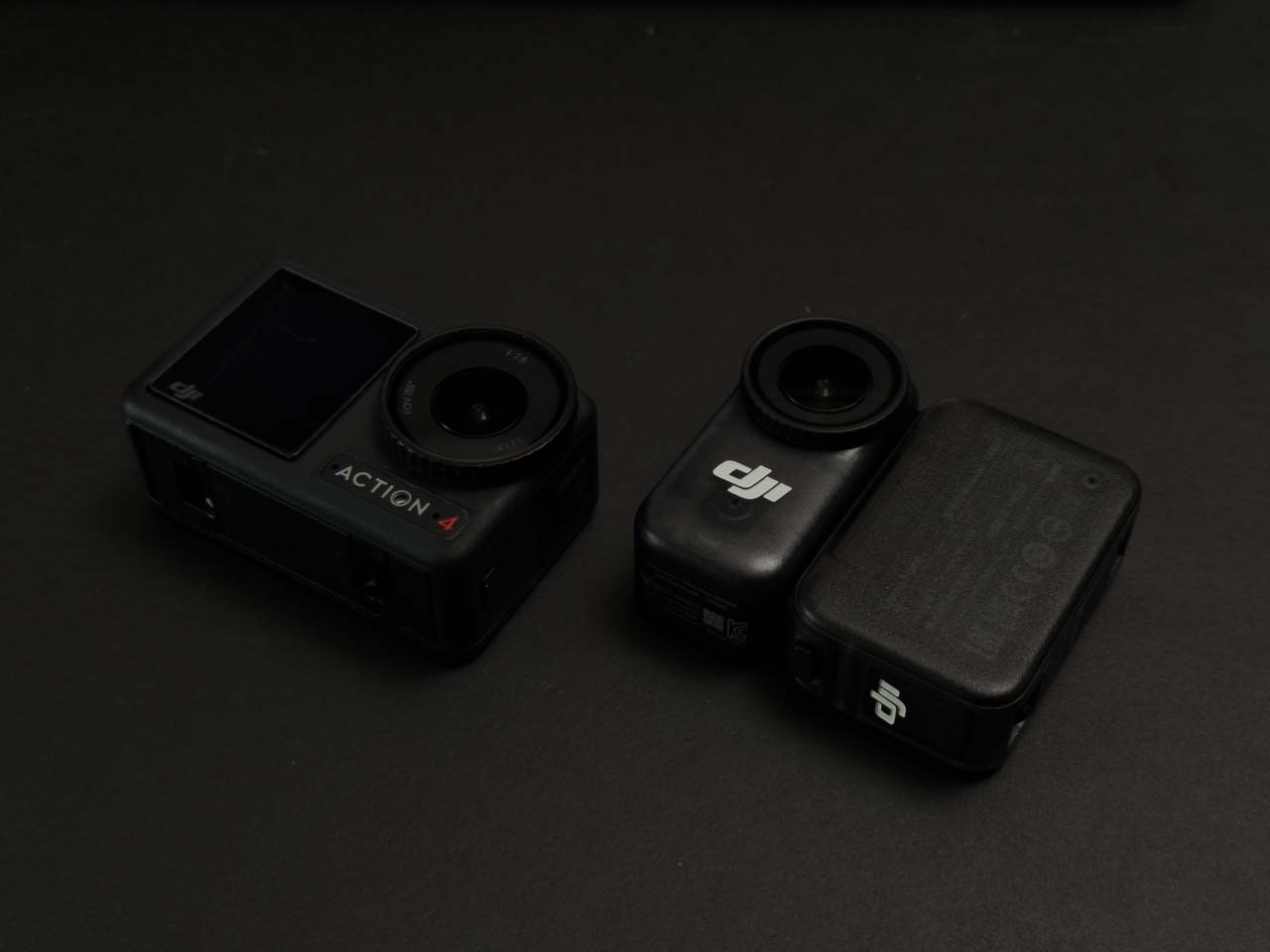
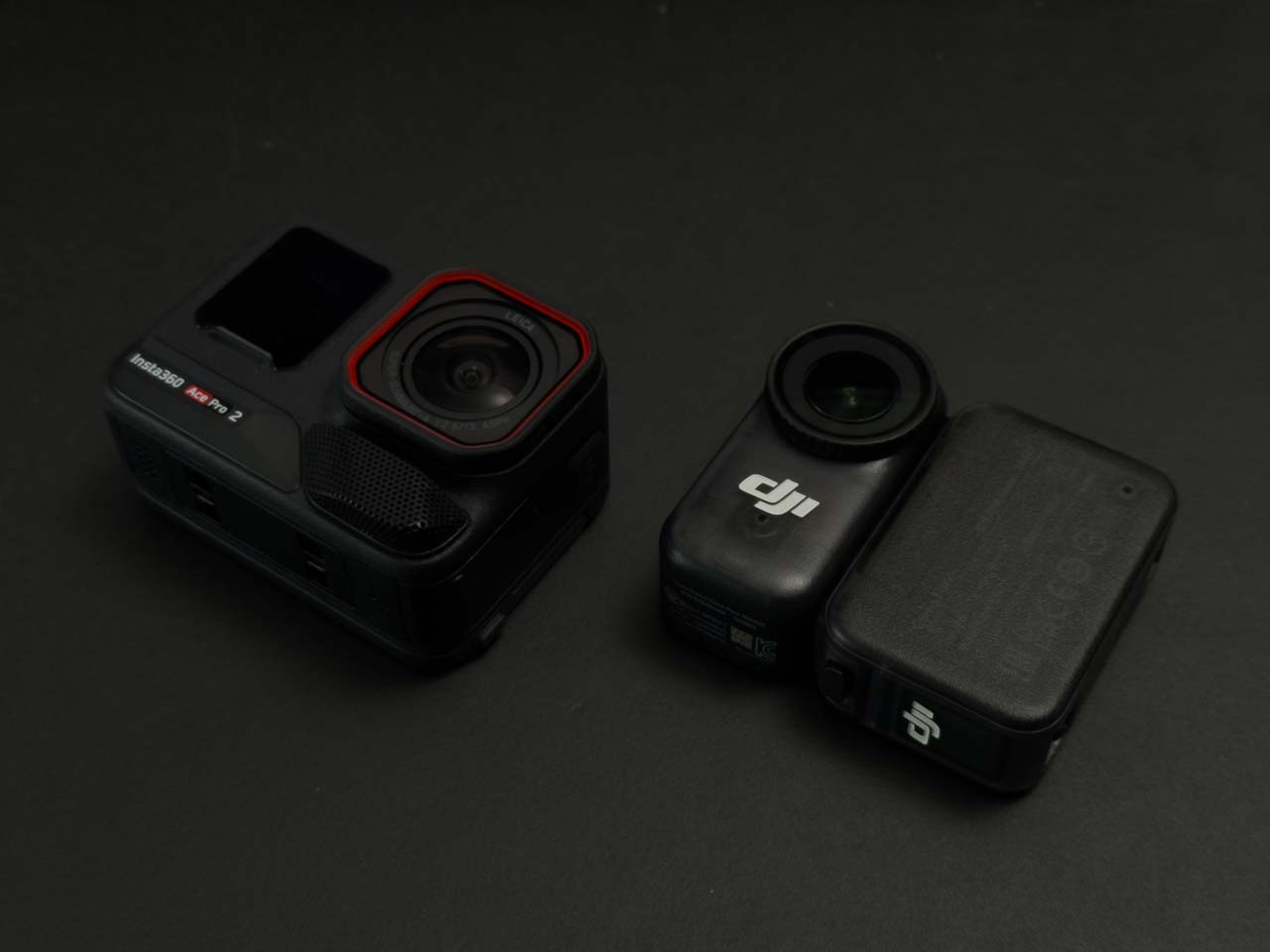

When the Multi-Function Vision Dock is attached, it becomes a little larger than the DJI ACTION 4 and Insta360 Ace Pro 2, but it is still lighter.
The camera itself weighs just 52 gams. Even with the Vision Dock it weighs just 124g, so even when wearing it for long periods of time around the neck using the attachment or while shooting on the move, you hardly feel any fatigue. I was truly surprised at how stress-free it was to carry and wear.
Delineation performance
Turning to image performance, the first thing that stands out is the 13.5 stops of dynamic range produced by the 1/1.3-inch CMOS sensor. Even in scenes with large differences in brightness, it minimizes white blowout and black crush, and captures images that maintain rich gradation. This is better than the Osmo Action 4, also from DJI, and is comparable to the Osmo Action 5 Pro. In fact, it’s valuable that this performance is packed into the Nano’s light and nimble form.

Beautiful scenery of the golden needle flowers in Hualien County, Taiwan.
*Click on the image to enlarge.Even compared to the 1/1.28-inch sensor of its rival, the Insta360 Ace Ultra, the Nano is likely to have an advantage in terms of stable image quality in dark places and backlight. Despite its small size, the Nano is certainly convincing in terms of sensor performance, which is the “foundation” of the image.
Impressive transfer speed and tough durability
In terms of operation, the Nano also has many features that directly contribute to a sense of security. First of all, the internal storage can be equipped with up to 128GB, allowing you to continue shooting for long periods of time without relying on external media. This is reassuring even when you suddenly have a shooting opportunity or when you forget to bring a spare card.
Additionally, the high-speed transfer speeds of up to 600MB/s via USB 3.1 (up to 400MB/s for the 68GB version) allow large amounts of data to be transferred to a PC in a short amount of time, greatly streamlining the workflow from shooting to editing. For video creators, these subtle yet practical features are a great weapon in reducing the stress of daily work.
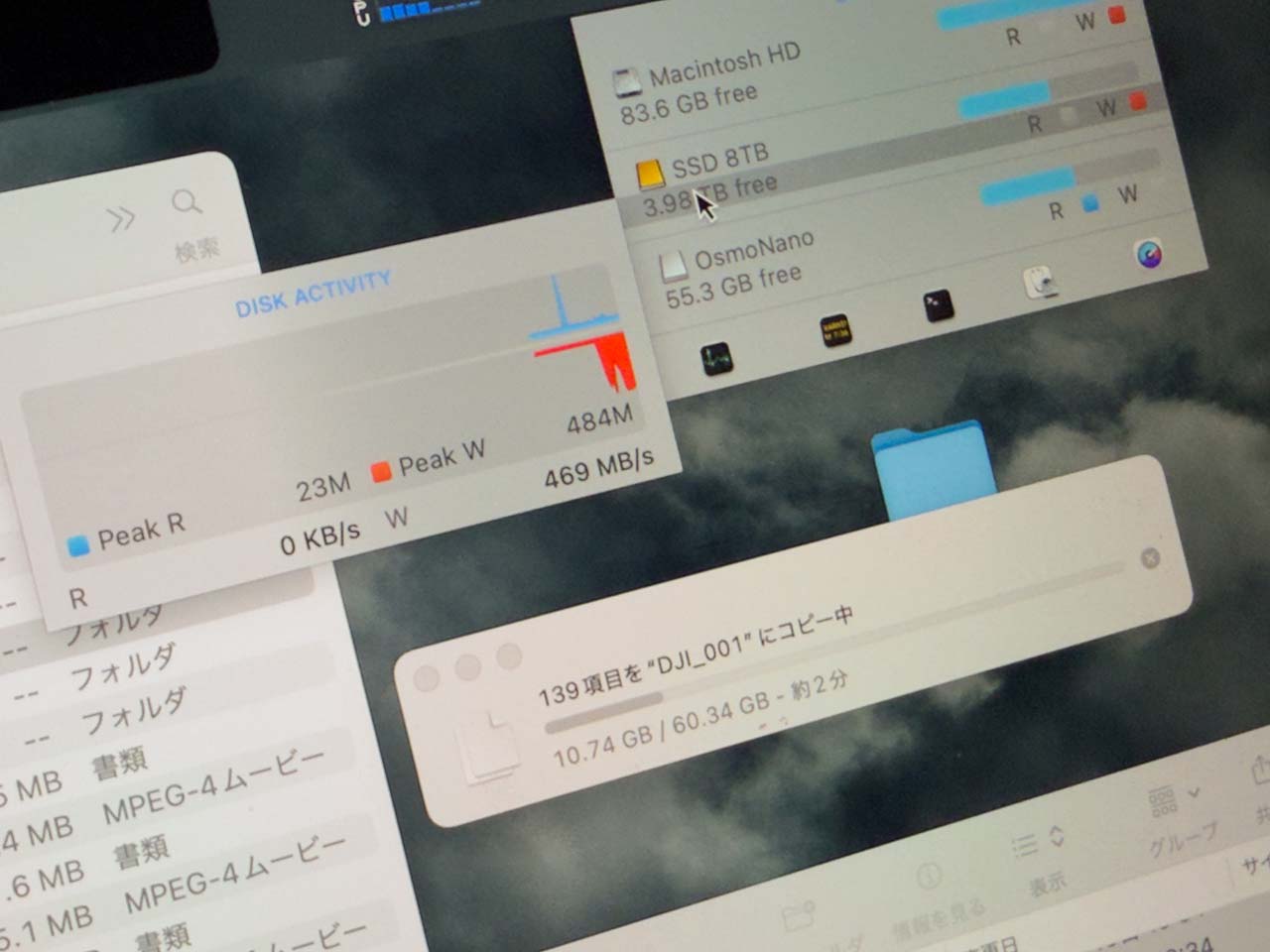
Even more noteworthy is the 200-minute operating time. When combined with the Vision Dock, you can continue shooting for long periods of time with just a small charge. Considering that competing models only last around 100 to 140 minutes, this difference directly translates into peace of mind on location. When recording long events or outdoor shoots, being able to immerse yourself without worrying about the remaining battery life is a major advantage of the Nano.
A wide range of mounts for even greater visual expression
In addition, the Nano is compatible with a variety of mounts. You can switch the viewpoint to suit your needs, such as chest mount, helmet mount, or hand grip. This allows you to easily enjoy a variety of video expressions, from cycling and running to creative low-angle and bird’s-eye shots. The combination of a lightweight body and stable RockSteady 3.0 transforms footage from any perspective into “watchable footage.”

My personal favorite is the magnetic lanyard. It hangs around your neck like a pendant and then uses magnetic force to clamp it through your clothing. Unlike the neckbands used with the Osmo Action 4 and other devices, the entire system is incredibly light, so it puts almost no strain on your neck and you can keep it on the whole hike.
The ever-evolving DJI ecosystem
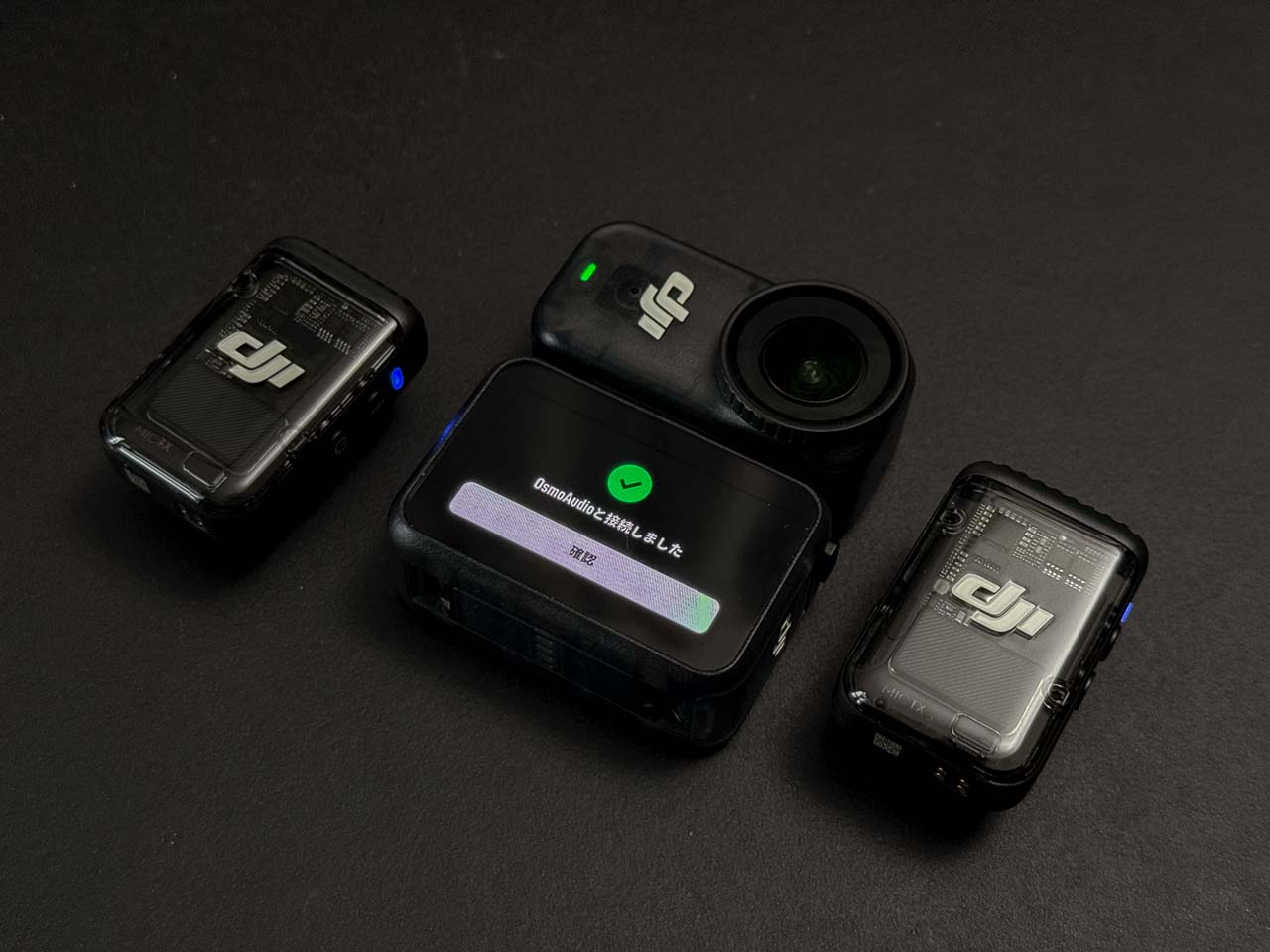
And of course, we can’t forget about DJI’s ecosystem. The Nano supports direct connection with the DJI MIC 2 and MIC Mini, enabling wireless integration of dual microphones. This sets it apart from competitors that only offer simple audio recording via Bluetooth.
By having both video and audio handled within the same ecosystem, reliability on-site is dramatically increased and the quality of the footage is dramatically improved. Another major attraction is the compatibility with existing Osmo Action series accessories, allowing users to make the most of their investment.
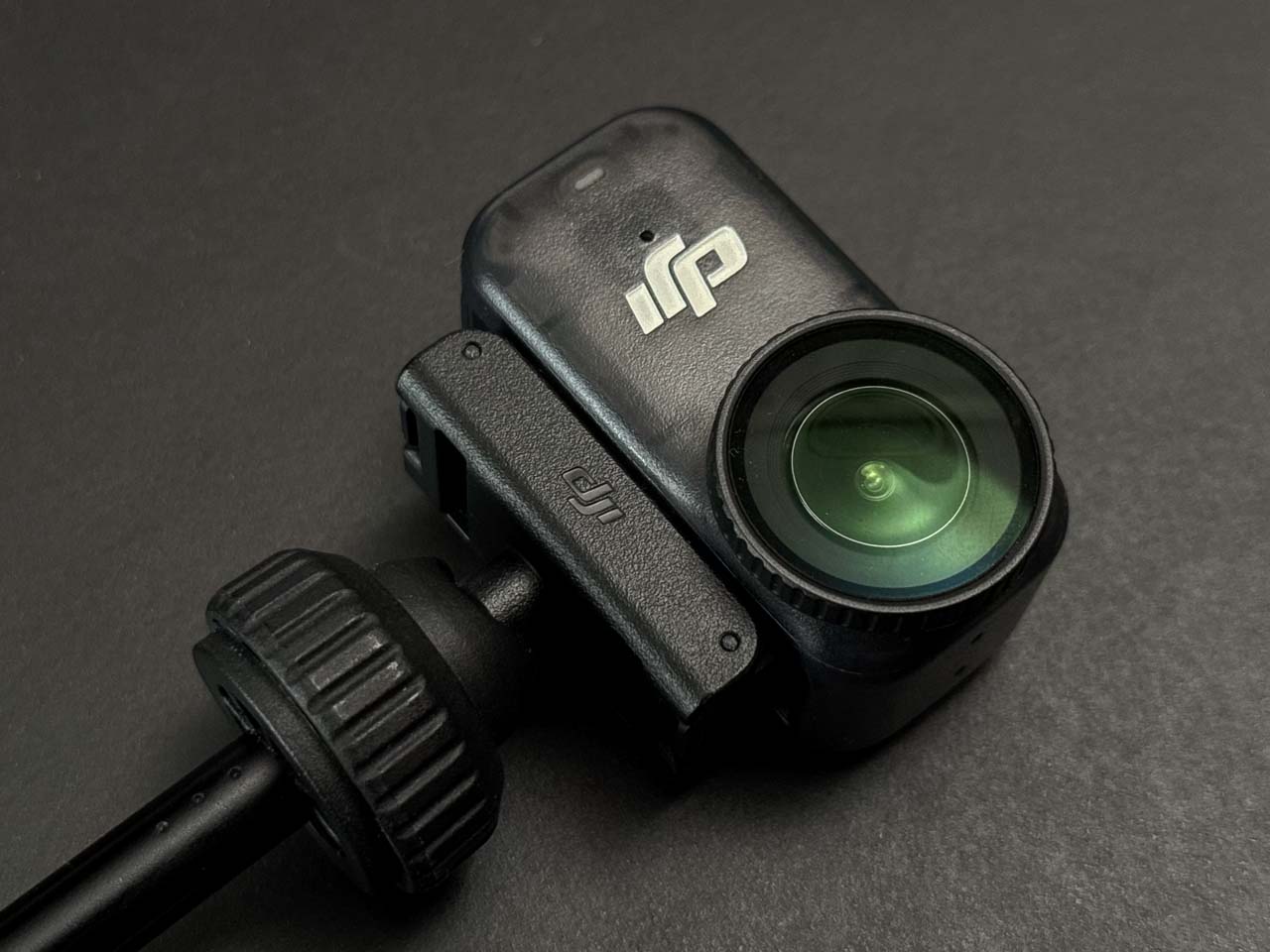
Overall, the Osmo Nano is lightweight yet boasts a high-performance sensor and wide dynamic range, a long battery life of 200 minutes, up to 128GB of internal storage, and high-speed USB 3.1 transfer, allowing for safe and efficient operation. Furthermore, DJI’s ecosystem of accessories and audio recording systems elevates it beyond just a “small camera.”
The fact that DJI has managed to pack image quality and stability that rivals their own higher-end models into a device this small is testament to their technological capabilities.
The DJI Osmo Nano is quite the versatile little camera!
The Osmo Nano is not only suitable for vlog-style shooting, but also for capturing single frames to add spice to your work, in environments and conditions that would be difficult to tackle with a conventional camera.
This camera combines the freedom and quality of a new shooting experience not found in conventional action cameras or pocket cameras, making it the creator’s most reliable and tiniest companion to date, and allowing you to even incorporate it into your work.
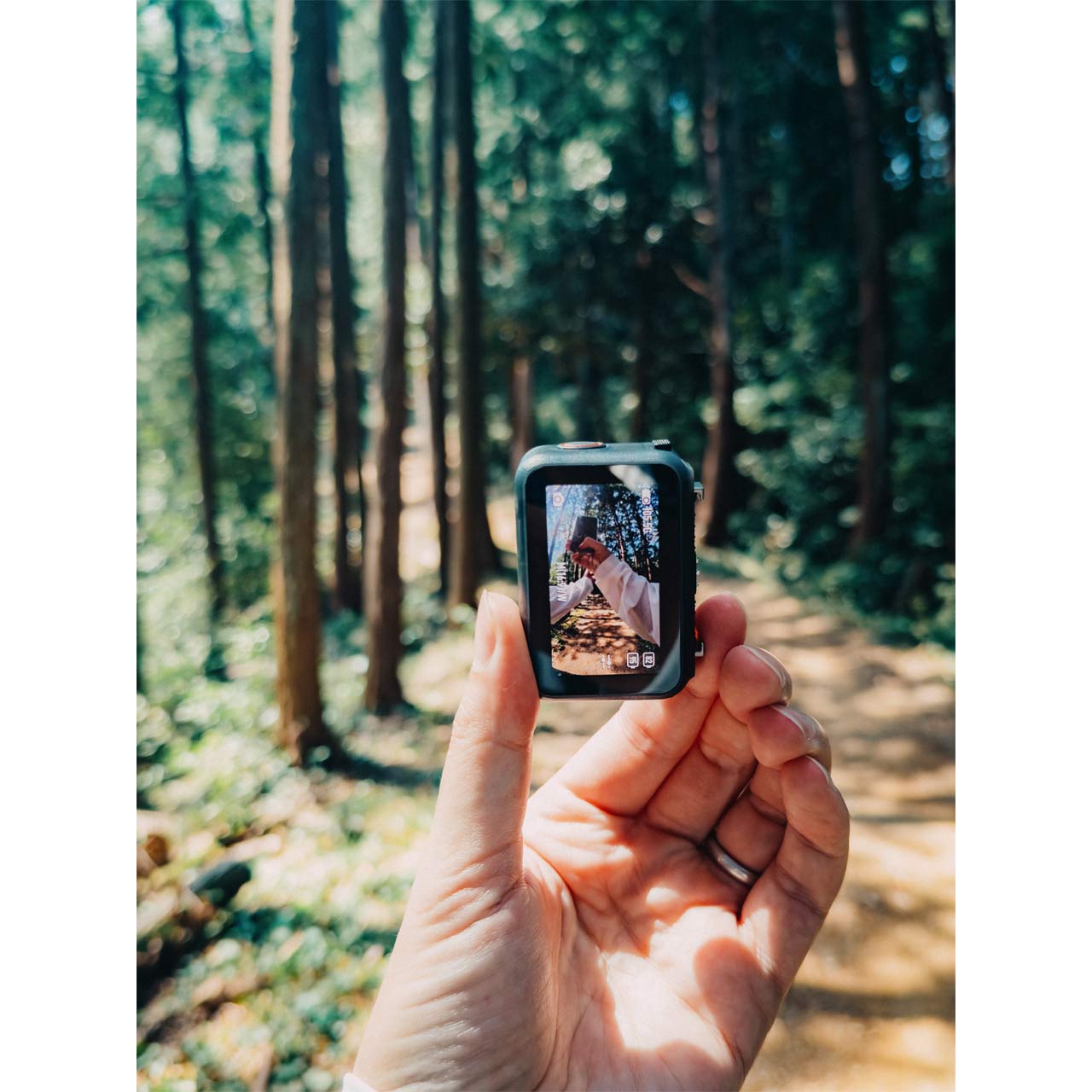
The DJI Nano is so small that it almost seems lost in the midst of DJI’s ever-expanding product lineup, but once you open it up, you’ll be amazed at the perfection of its trinity: lightness, beautiful images, and the peace of mind that comes with being part of the DJI brand’s ever-expanding ecosystem.
It may seem like a casual product like a pocket camera, but while using it, I felt that it was a strong product worthy of being called Pro.
I bought the Insta360 Ace Pro 2 after replacing the Osmo Action 4, but the size and weight meant I didn’t have much use for it. Now that I have this product, I even feel like I might choose the Osmo Nano over the Osmo Action 5 Pro next time.
How will people who get their hands on the DJI Osmo Nano capture the scenes before them, both ordinary and extraordinary? We look forward to seeing the big changes that will be brought about by imaginative photographers who don’t stick to conventional shooting styles, in the stories we’re used to seeing on our smartphones.
Originally Written in Japanese by Naoki Miyashita (TERMINAL81 FILM) | Profile
Freelance photographer and cinematographer. From photography and videography to documentaries and aerial photography, he freely weaves small stories that transcend the boundaries of visual expression.
Follow Miyashita-san on X: https://x.com/naoki_miyashita and on Instagram: https://www.instagram.com/naoki_mi