NAB2026
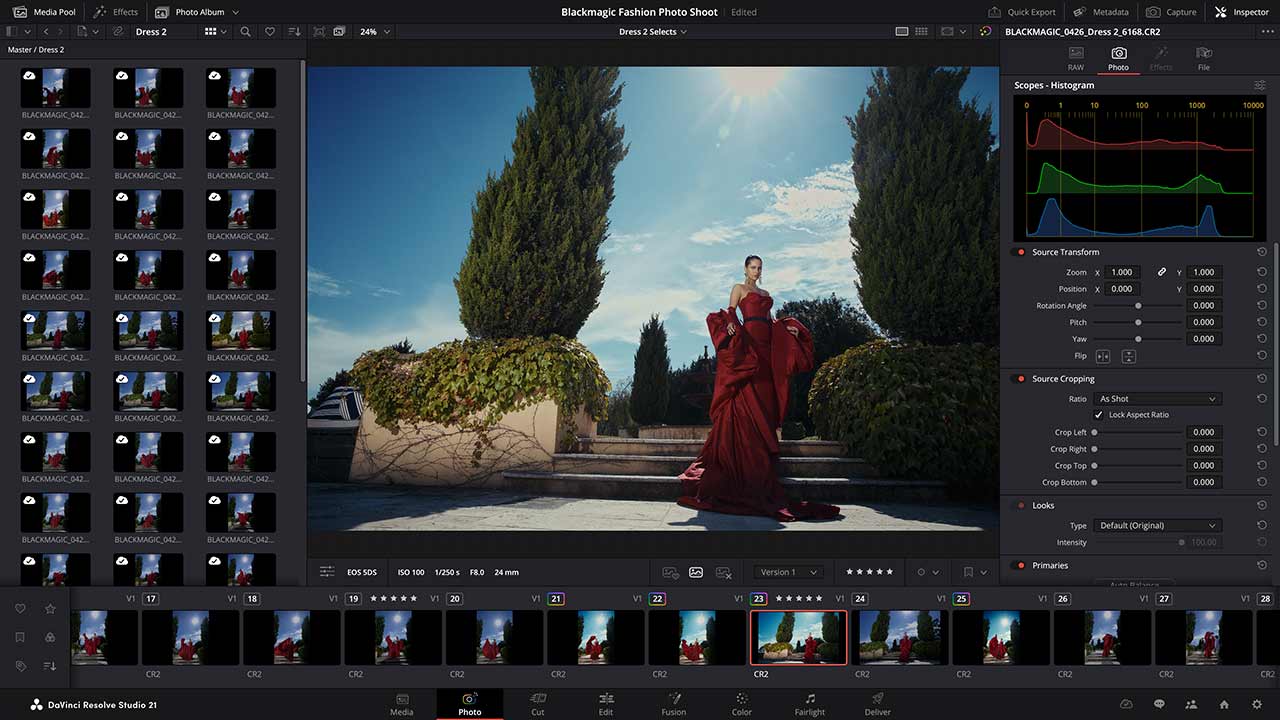
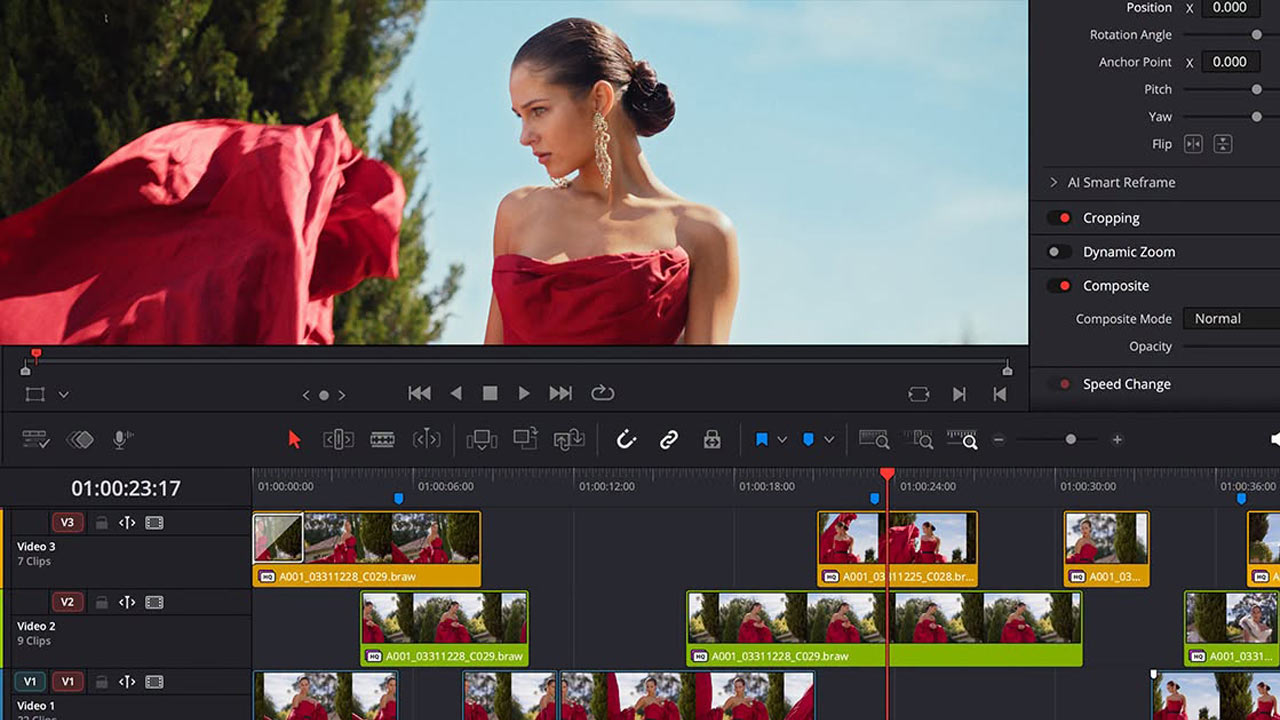
Blackmagic Design announced DaVinci Resolve 21. This update adds a new “Photo Page” that allows colorists and photographers to apply color tools to still images.
Other updates include AI tools such as “IntelliSearch” to assist with content searching and “CineFocus” for focus adjustment, as well as face correction tools. Improvements have also been made to over 70 graphics using the “Krokodove” toolset, simplified audio management with Fairlight folders, and enhancements to keyframing and MultiMaster trim paths.
The DaVinci Resolve 21 public beta is available for download from the company’s website. The software will also be on display at the Blackmagic Design booth (N2502) at NAB 2026.
A new “Photo Page” feature has been added to integrate still photo editing.
The newly added Photo Page integrates still image editing into the post-production workflow. Users can import and manage photos and apply node-based grading in conjunction with the Color Page. This makes it possible to utilize color grading tools developed for video production for still images as well.
You can precisely adjust the colors of your entire project using primary color correction, curves, qualifiers, Power Window, and the node editor. By using the DaVinci Color panel in conjunction, you can also control multiple parameters simultaneously.
Node-Based Workflows
Node-based workflows are now available for still photography as well, allowing you to build complex grades by adding nodes in series or parallel. You can apply different corrections to multiple parts of an image simultaneously, or use shared nodes to apply a specific look to an entire photo album at once.
The photo page allows you to reframe and crop images while maintaining the original source resolution and aspect ratio. Because the quality of the original file is preserved in all adjustments, it’s designed to allow you to adjust the composition without compromising image quality.
The LightBox view displays the entire album with grading applied. Selecting any image and grading it will reflect the results across the entire collection in real time. Filtering options are also available, including whether grading is applied, star ratings, flags, and clip colors.
Manage Collections Easily
The album function allows you to create and manage collections directly within the software. You can create albums based on arbitrary criteria such as shooting date and camera model, and efficiency is enhanced by batch processing of tagging and RAW settings. Albums are displayed as a timeline on each page for easy access.
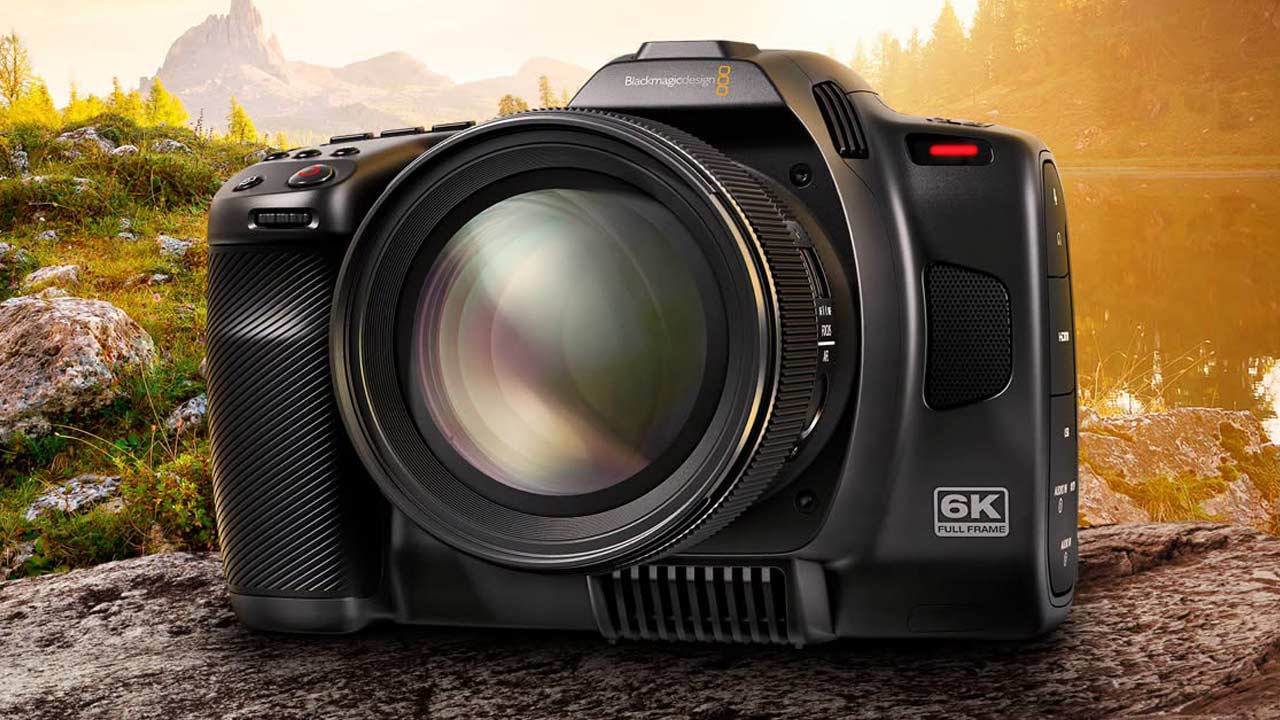
The camera control function allows you to directly tether a Sony or Canon camera and capture images live. You can adjust settings such as ISO, exposure, and white balance, monitor them in live view, and save capture presets to shoot with a consistent look.

Plugins Supported in Photo Page
ResolveFX and OpenFX plugins are also supported on the photo page, allowing you to apply effects, graphics, transformations, and DCTL. In addition to applying looks using LUTs, you can also generate and save LUTs for use in-camera or during monitoring.
AI tools are also integrated in DaVinci Resolve 21, allowing users to select people or objects with a single click using “AI Magic Mask” and perform individual color grading. Furthermore, the newly developed “AI UltraSharpen” enables upscaling of low-resolution images.
The photo pages support multi-user collaboration using Blackmagic Cloud. A workflow has been established that allows for real-time sharing and editing of album content, metadata, tags, grades, and effects among staff around the world.
Enhanced AI-powered search, voice generation, and video correction capabilities.
AI IntelliSearch enables instant searching of people and content. It analyzes media to search for specific objects, keywords within conversations, and individual faces. The results appear as clips in the media pool, contributing to faster management and editing.
The AI voice generator uses Blackmagic’s voice models or your own voice samples to produce speech from text. The DaVinci AI Neural Engine allows you to generate your own voice from a 10-second clip, and you can adjust the speed, pitch, and intonation to create multiple versions, such as narration.
“AI CineFocus” allows you to focus on a specific area within a scene and change the depth of field by adjusting the aperture and focal length. You can also select aperture shapes and add lens effects, and it features a rack focus function controlled by keyframes.
The AI Face Age Transformation tool analyzes faces and adjusts features such as wrinkles and facial roundness to change the subject’s age. Additionally, the AI Face Shape Adjustment allows for individual adjustment of the eyes, nose, mouth, eyebrows, and overall face shape of a moving subject, and dynamic correction is possible thanks to its tracking function.
AI blemish removal tool corrects imperfections such as uneven skin tone and visible pores while maintaining skin texture. The intensity slider allows for fine-tuning of the amount applied. In addition, the AI slate ID automatically detects clapperboard information and intelligently extracts metadata even from dark or out-of-focus footage.
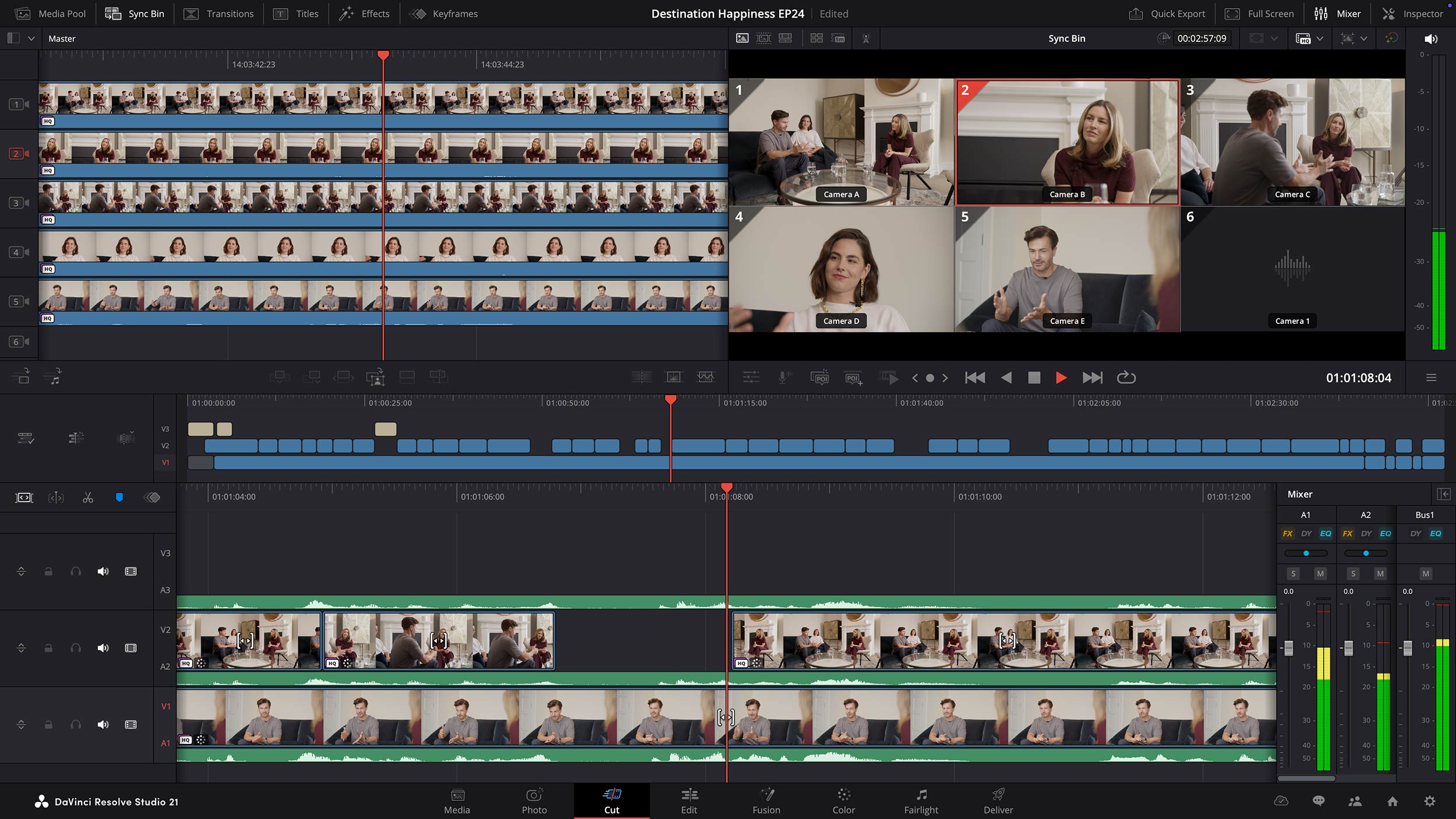
The sharpening tools have also been enhanced; applying AI UltraSharpen can sharpen low-resolution or out-of-focus footage. AI motion blur reduction reduces unwanted blur in video content, improving the quality of slow motion and freeze frames.
Improving editing efficiency in Edit and Fusion pages.
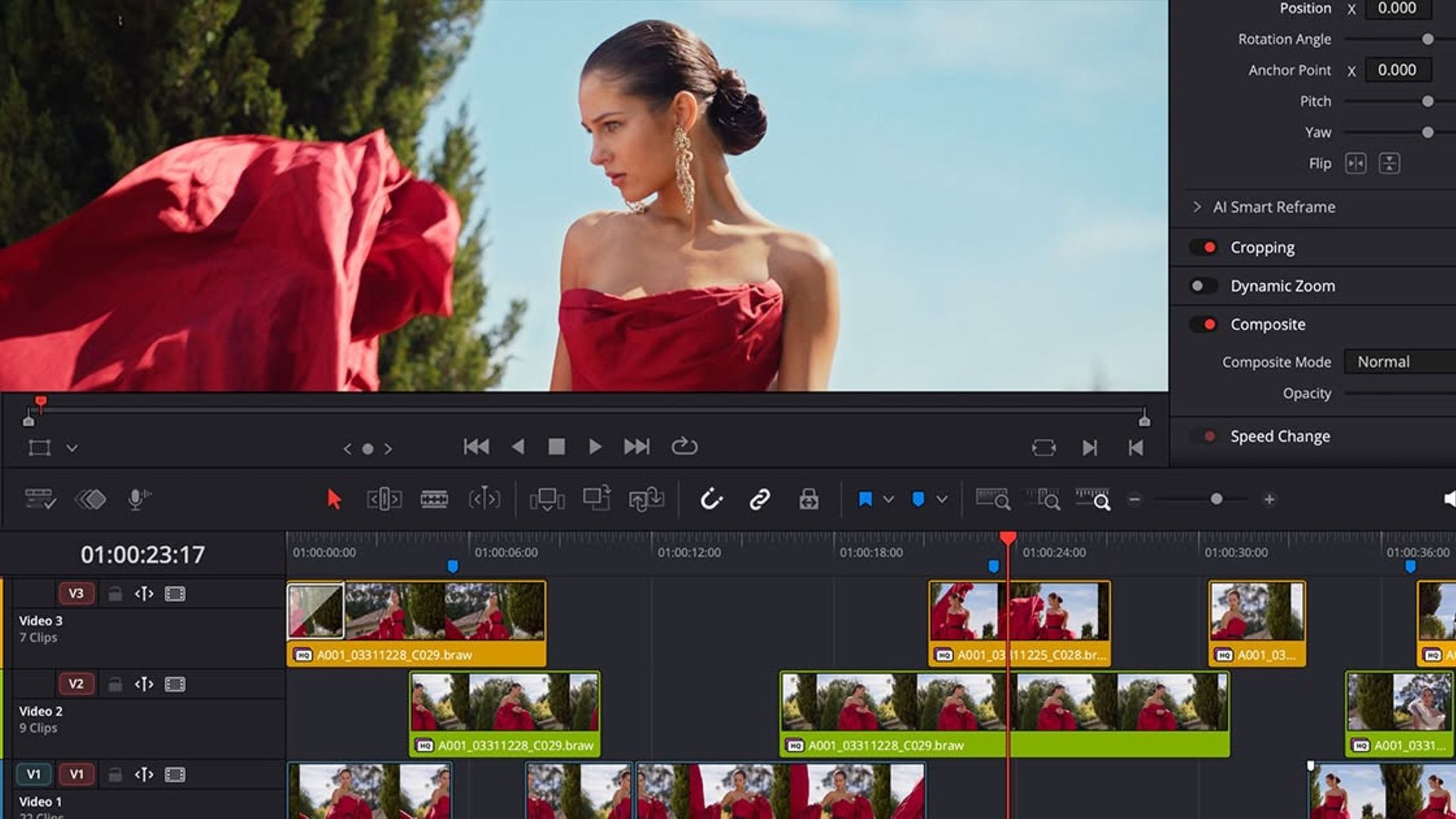
The keyframe function now includes new ease animation modes (loop/ping-pong/relative) and supports simultaneous adjustment of multiple clips. The curve editor’s zoom mode and 4-point bejaging improve the convenience of complex timing adjustments.
Fusion effects can now be adjusted directly in the Cut and Edit pages. You can edit text, transitions, and motion graphics without leaving the Edit page, and switch to the Fusion page with a single click if more advanced VFX are needed.
OGraf now natively supports HTML graphics and Lottie animations, allowing direct use of .json and .lottie files in the media pool. Alpha channels are also recognized. Additionally, multilingual spell checking, a dedicated font browser, and character-level styling features have been added.
The Cut page now includes Smart Bin and New Bin creation buttons, making it easier to filter media based on rules. The MultiMaster Trim Manager allows you to generate multiple HDR/SDR delivery files from a single timeline and render them in batches.
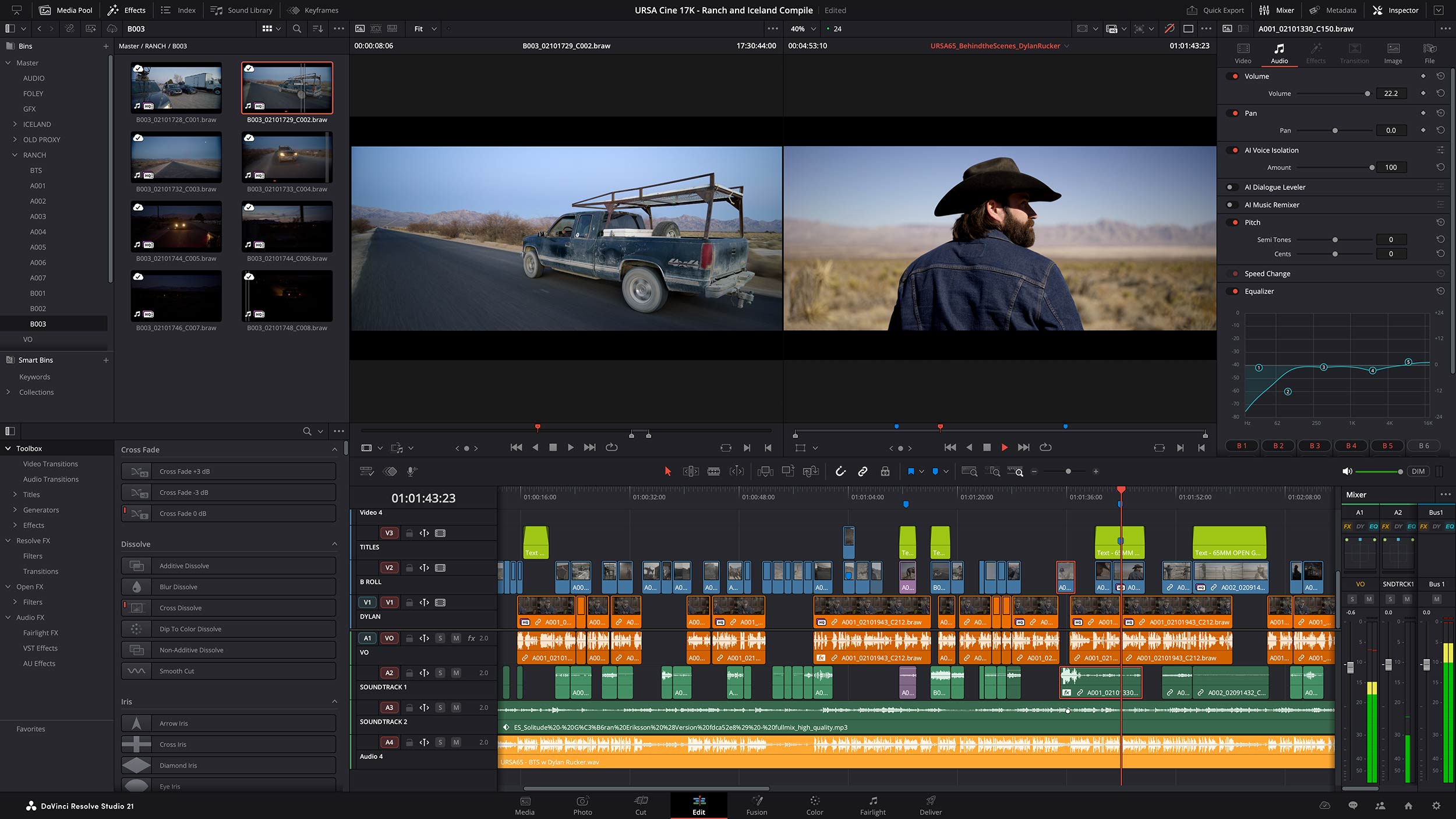
Enhanced functionality in Fusion and Fairlight, and improved efficiency in production management.
The “Magic Mask” palette now includes a “Render and Replace” function, which reduces processing load by caching masks and enables continuous real-time work. Additionally, the layer list node graph improves the visibility of node management and manipulation.
Fusion now includes the Krokodove compositing tool library. The macro editor has also been updated. The improved interface makes it more intuitive to create custom tools and templates. Additionally, the new Inspector View allows for quick and easy sharing of macros.
Fairlight’s Animator Modifier enables automated animation based on audio analysis. Additionally, the USD toolset updates to the latest version, including the Hydra 2.0 API, enhancing features for VFX artists.
Assigning audio tracks to folders and collapse them has been added. This allows for more efficient management of timeline space. Apple Immersive image processing now supports foveated rendering, which adjusts resolution according to the user’s gaze, improving playback performance.
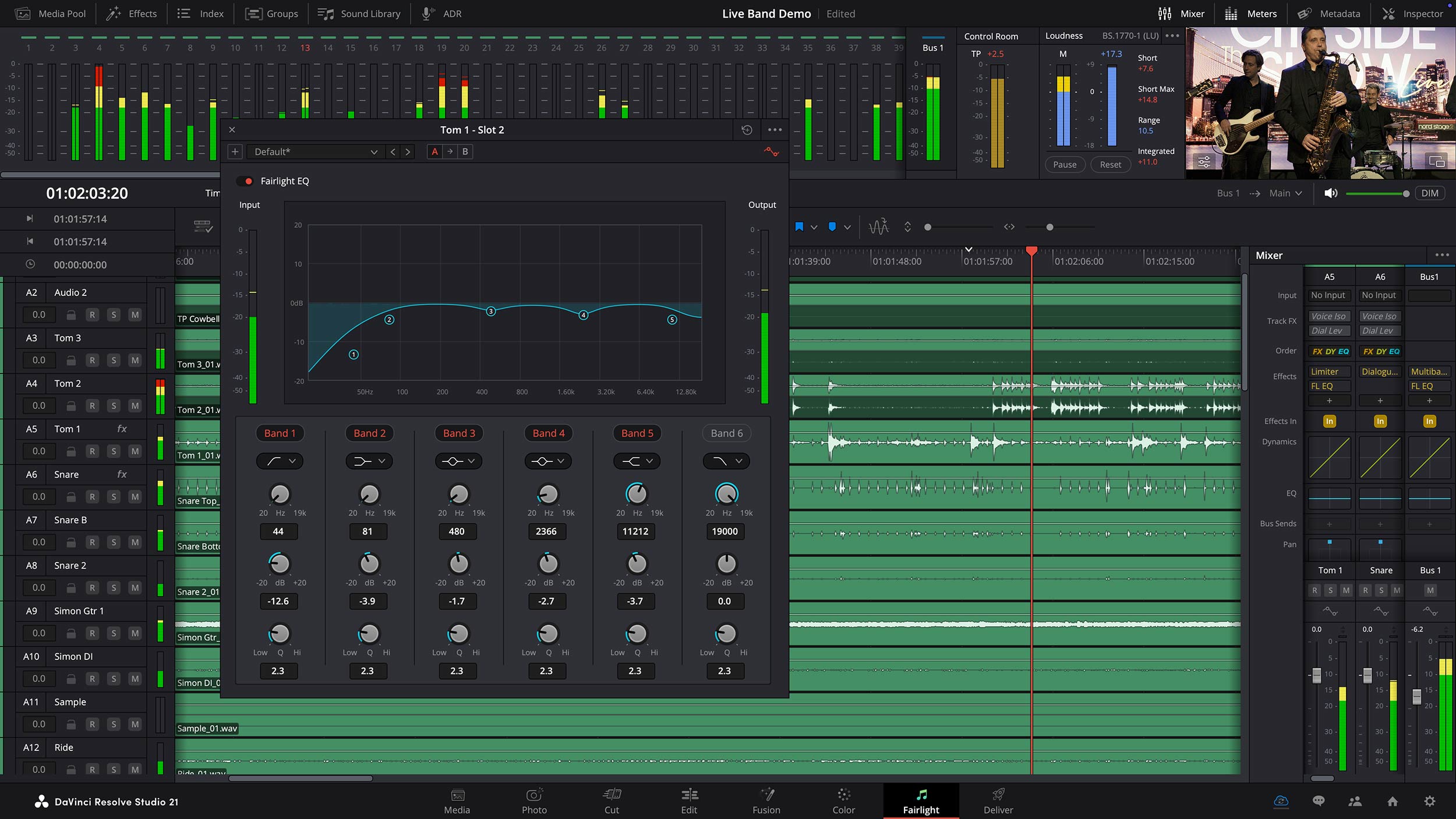
Support for immersive workflows and improved media management.
DaVinci Resolve 21 supports a comprehensive immersive workflow and enables the creation of streaming formats for MetaQuest and YouTube VR. It also supports advanced 360° media processing, including orientation adjustment with Panomap rotation and the application of ILPD retargeting data.
Resolve FX’s new picture-in-picture feature makes it easy to position and resize floating frames. Additionally, IntelliScript now supports script formats and automatically generates scene cuts by comparing audio and script.
A 5 star rating system enhances media pool management. This system also adds tagging parameters such as “Good Take.” This allows for the rapid extraction of superior takes from large volumes of clips, improving the efficiency of media management.
“The new Photo Page in DaVinci Resolve 21 brings cutting-edge Hollywood color tools to still photography editing for the first time,” Grant Petty, CEO of Blackmagic Design, commented on the announcement. “Professional colorists and photographers can now fully utilize the DaVinci color toolset and build complex grades using a node-based workflow that far surpasses layer-based methods. They can also use all of DaVinci AI tools, ResolveFX, and FusionFX, and collaborate globally in real time. I’m excited to see how these tools will greatly expand creativity.”