I should preface this review by saying I am not an expert on the Micro Four Thirds system, though I have friends who are. Those friends were very excited when the OM-5 Mark II made its release from OM System earlier this year.
At CP+2025, I had the chance to test out a few of their cameras at the OM System booth, and time and time again, M43 fans AND OM System themselves seem to put an emphasis on their cameras being ideal for compact, outdoors settings.

Professionally using full-frame cameras, I went into this review skeptical but with an open mind. I took the OM-5 Mark II with me on my usual adventures and tested to see how it performed.
I was incredibly pleasantly surprised at this little beast’s performance. Let’s go over what I liked in this review!
What is the OM-5 Mark II?
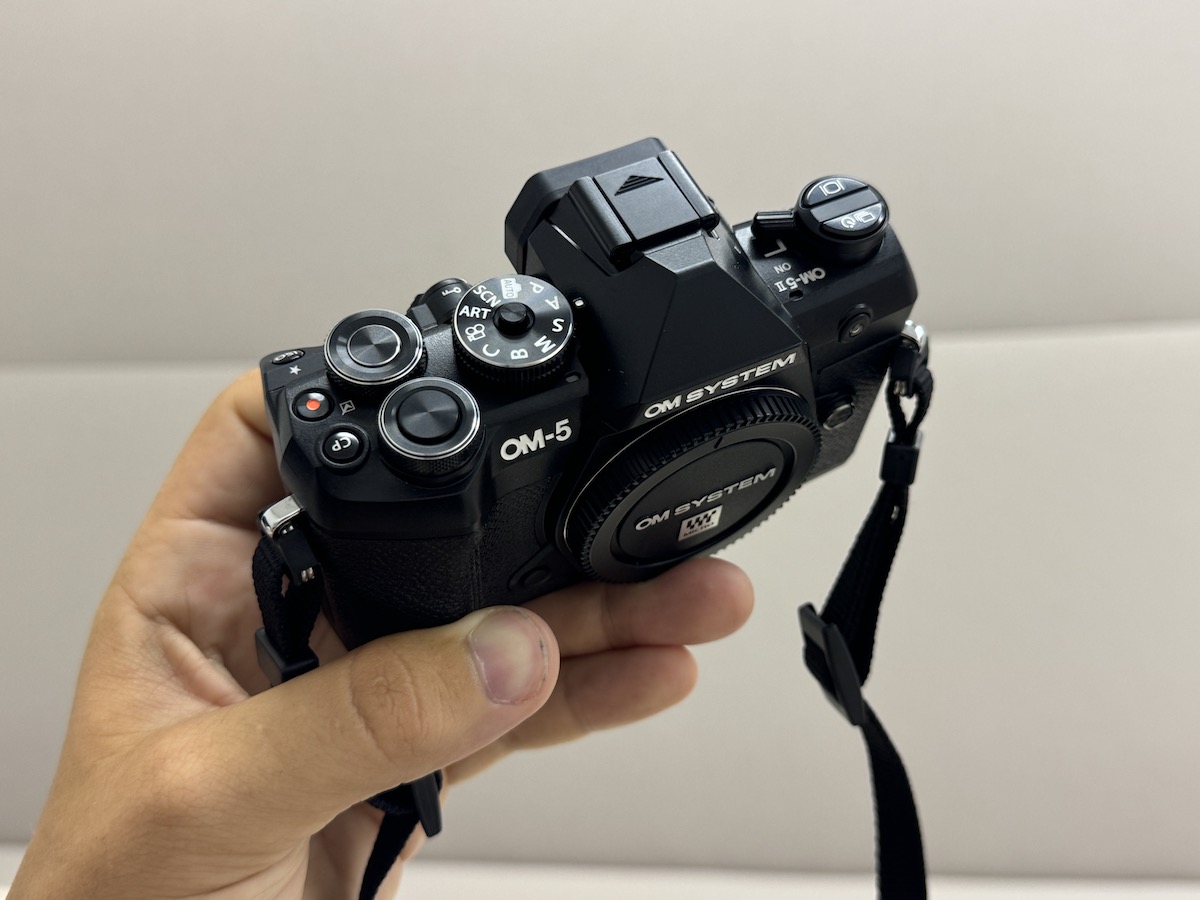
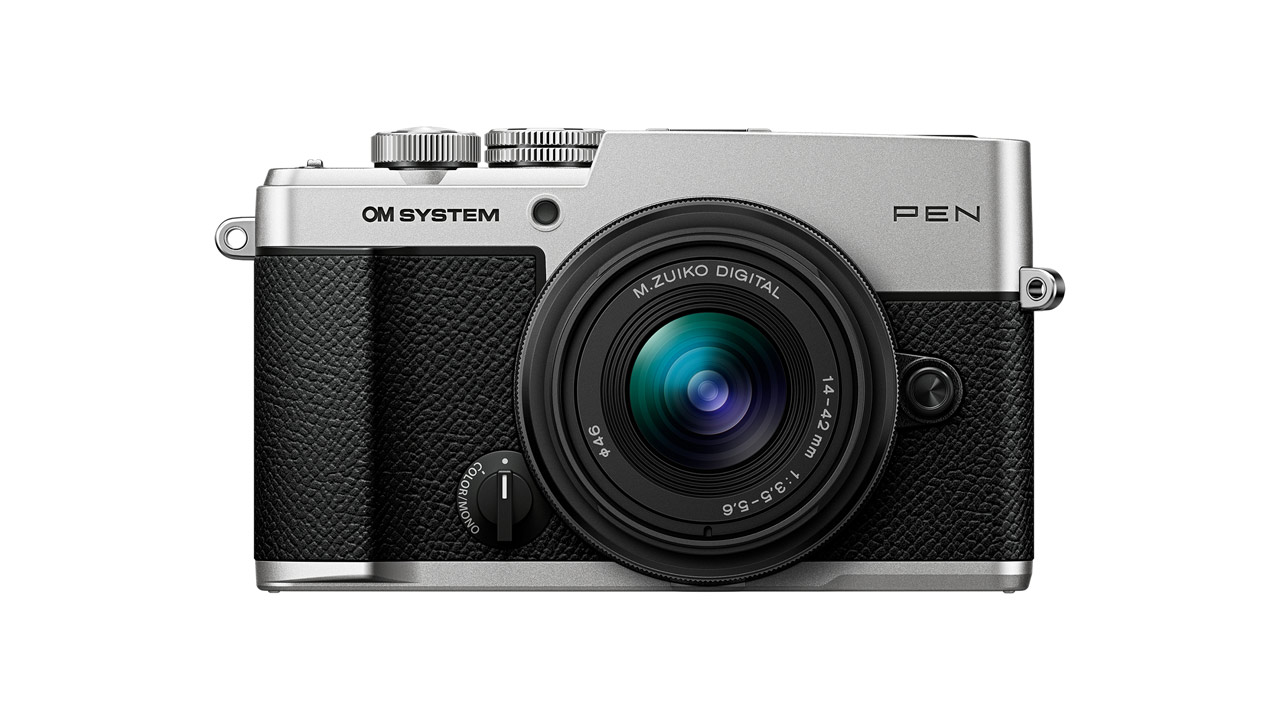
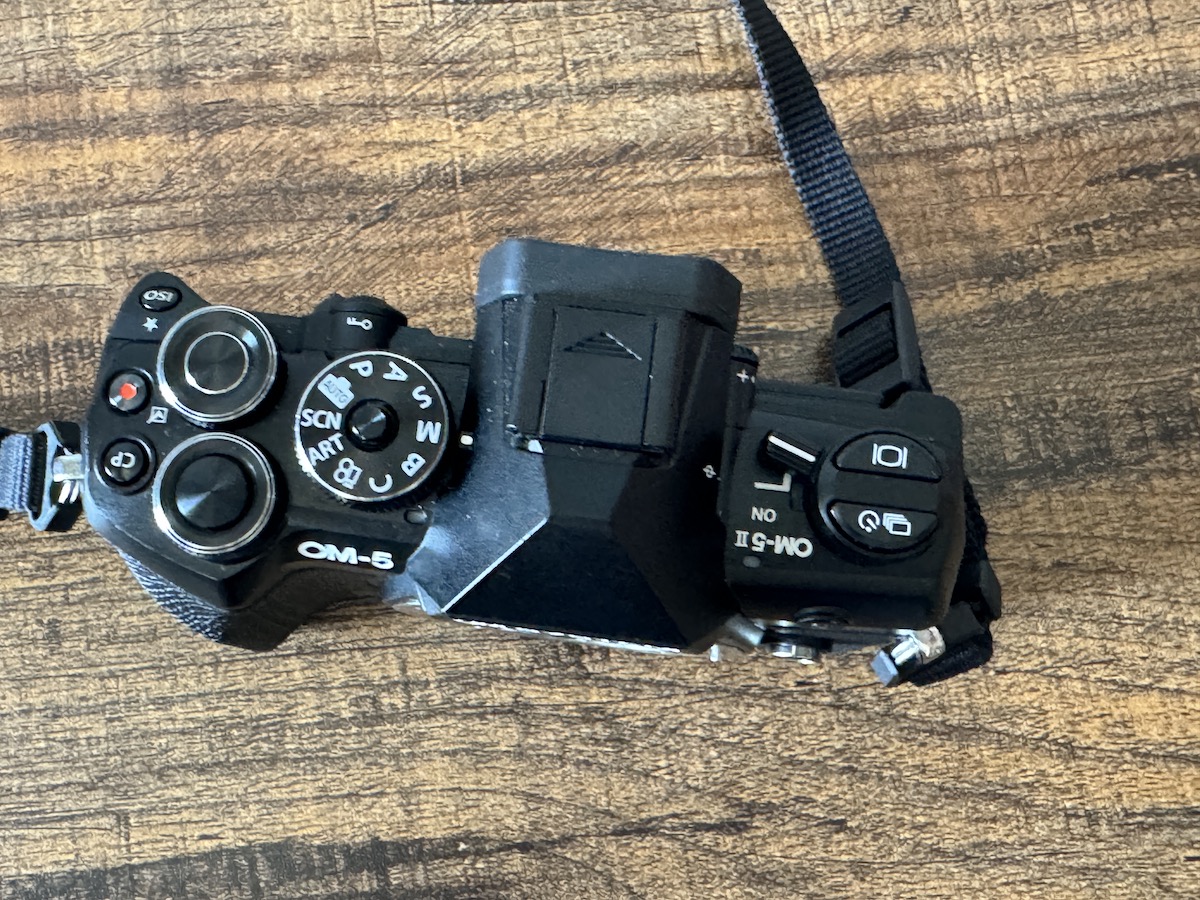
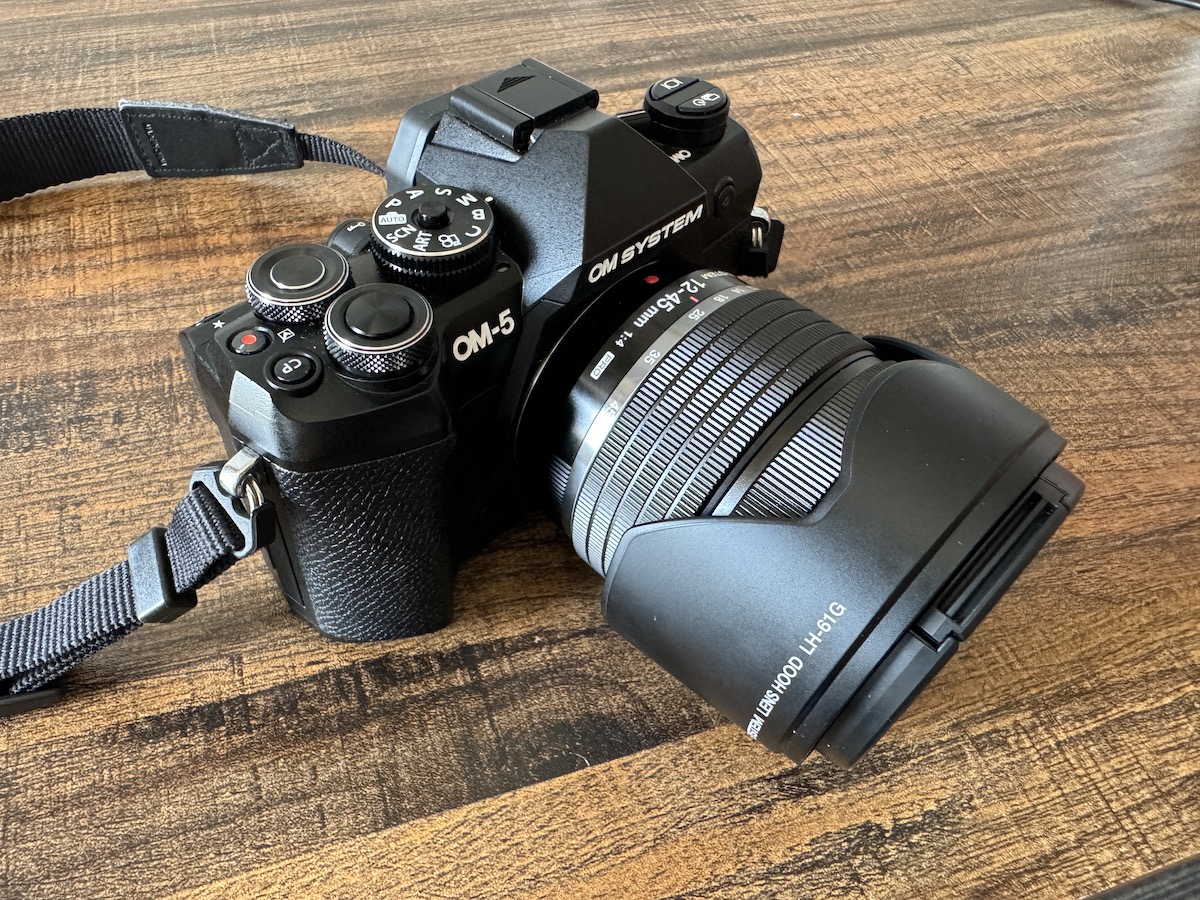
First let’s look at the camera itself. On the surface, its very compact, it takes 1 SD card, and the USB ports are on the left side. It charges easily with a USB-C cable. Grip-wise feels natural and easy to carry. Operationally, it was a slight adjustment to run the OM-5 Mark II over my usual gear, namely the on-off switch was on the left (I’m used to it being on the right; it’s not a problem though). On top of the camera are two toggle dials, programmable to the user’s desires. The front dial for me I programmed to be the shutter speed and the back dial was for the aperture controls. ISO is controlled by pressing an ISO button and using the dials.

There’s also an autofocus control that I didn’t really experiment much with. I often found myself setting the AF with the button, then switching the dial down to activate what I assume is manual control, if I wanted to avoid the shutter activating errant AF (happens a lot with cameras these days).
The lens provided for this review was an f/4 12-45mm. I would really like to go back and test this camera again with more portrait oriented lenses to truly get a grasp on the abilities this camera has. That, or trying to photograph birds (or planes!) with a telephoto lens. One of the OM System lenses has a 35mm equivalent zoom range of 1000mm…absolutely nuts.

Micro Four Thirds – Brief Explanation
Speaking of absolutely nuts zoom ranges, let’s briefly talk M43, Micro Four Thirds, whatever you call this format. As far as I know these days, OM System (formerly Olympus) and Lumix are the only active main players producing M43 cameras. I actually own a Blackmagic Pocket Cinema 4K, also a M43 camera, but I think these days Blackmagic is focusing its attention on the L mount for its newer cameras.
Micro Four Thirds provides a 2.0x crop factor to a 35mm sensor, allowing it to be installed in much smaller bodies such as the OM-5 Mark II.

There are some tradeoffs and benefits to this system, such as if you are photographing outdoors in low light, the noise issue that may come from smaller sensors comes up. However, depending on the camera, it’s not so much a problem in daylight. The crop factor allows for the aforementioned absolutely nuts zoom range in a decent sized lens. I guess at the end of the day it really depends on the user’s preference.
The OM-5 Mark II sensor is an effective 20.4 megapixels, a photo resolution of 5184 x 3888 compressed. For comparison, my every day camera has an effective 27 or so megapixels. That’s not too bad of a sacrifice in quality.
Even when I do crop in, as you can see here, the technology involved in smaller-than-full-frame cameras evolved to the point where quality loss doesn’t happen so much.


Here’s another example of cropping in a shot with this camera. I’ll show the original shot first, followed by the crop during the edit.


Shooting the OM-5 Mark II
There are a number of different shooting modes available for the OM-5 Mark II. Manual mode controls are actually quite easy with this camera. The two control dials at the top made it simple to set up the settings I wanted. Only thing I didn’t like was at times, especially in low light, the screen automatically adjusted its own brightness, making the resulting image actually darker than I thought it would be.

I found aperture priority mode to be quite similar to how my A priority film camera operates, too. It finely tunes the shutter to a very precise setting, something I appreciate a lot. The B mode is simply bulb mode. I usually just set it to B mode by adjusting the shutter in Manual mode. Pressing the top button allows for selecting the shot mode – single shot, burst, Pro Capture mode, amongst others. I will go into Pro Capture mode in a bit. That mode is really fun.
Test Photography: Outdoor Daytime Photography
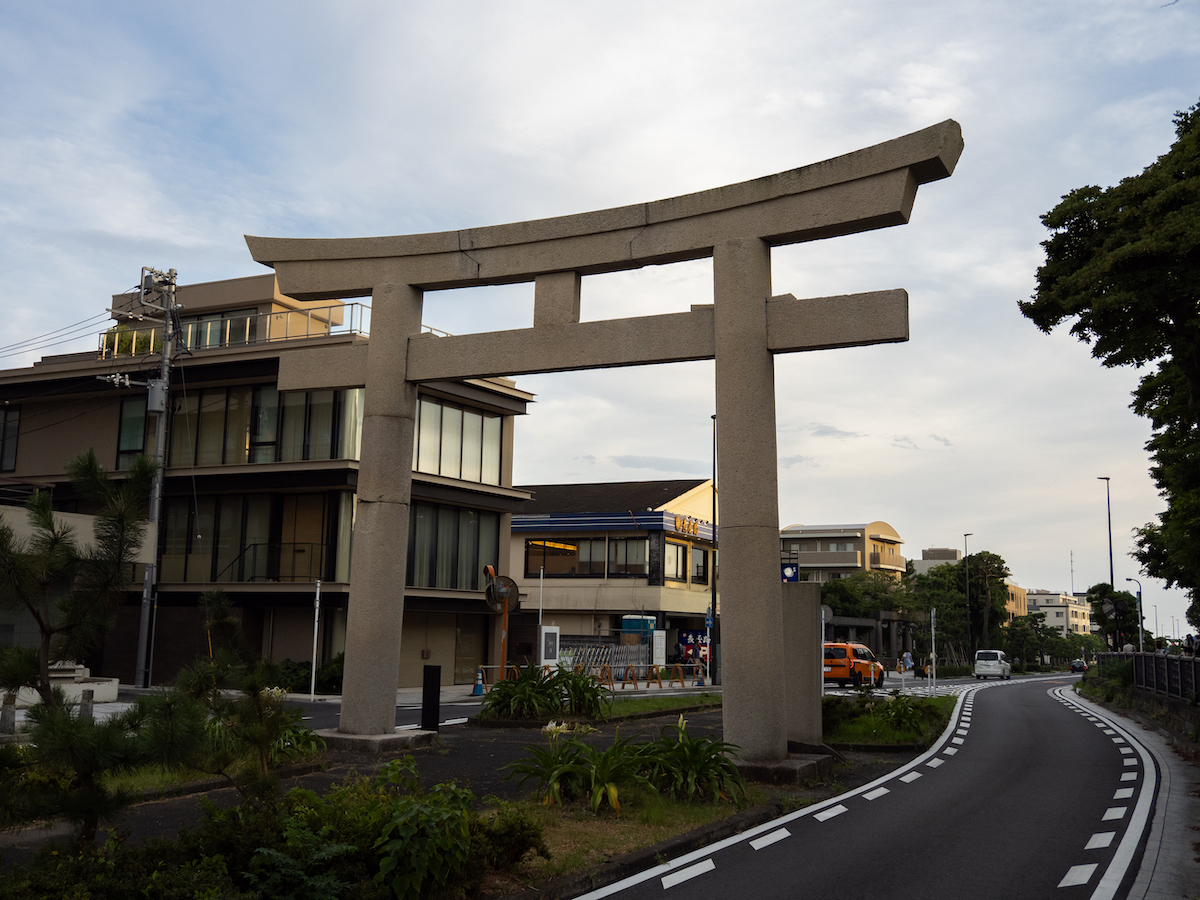
The OM-5 Mark II, being as compact as it is, quickly melded with my usual photography routine. I can carry it pretty much anywhere without any trouble, and that allowed for quick access in case of impromptu artistic opportunities.

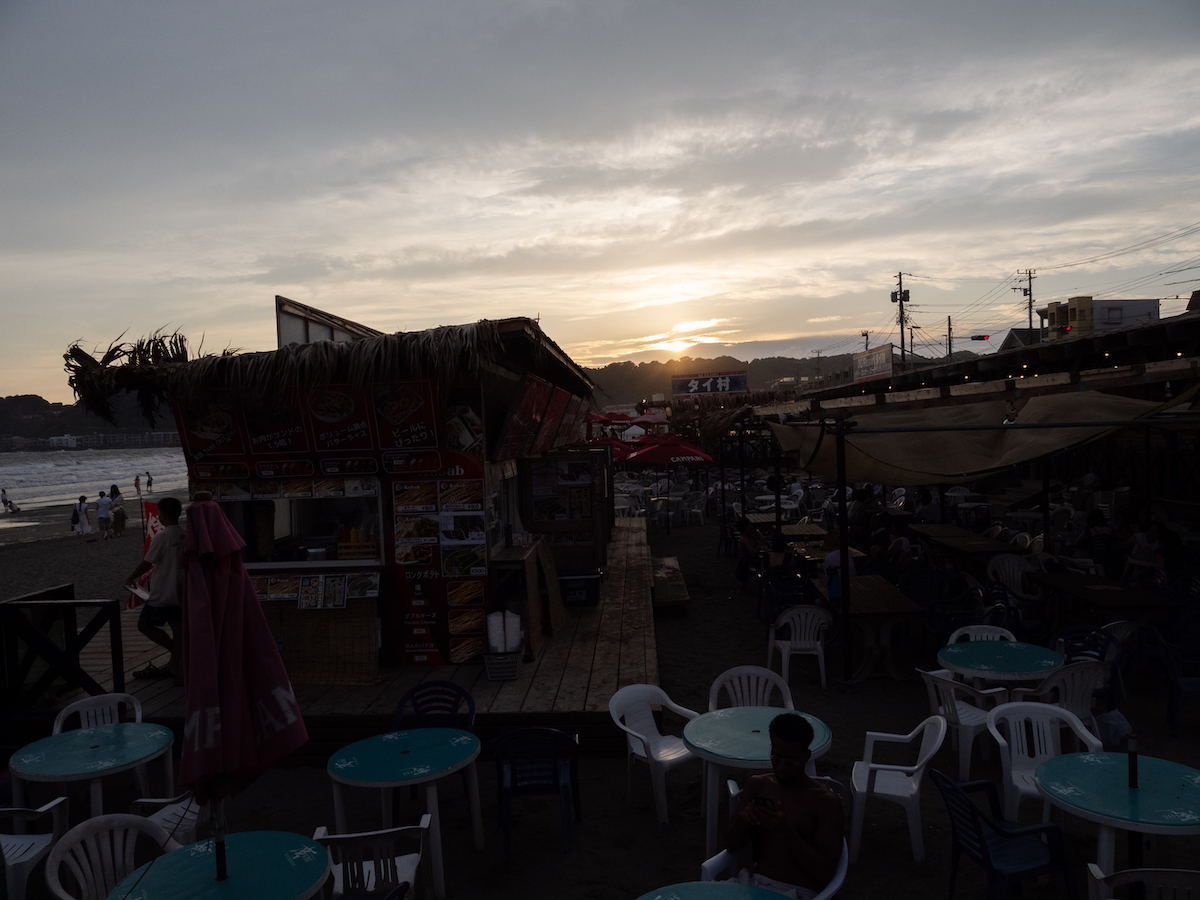
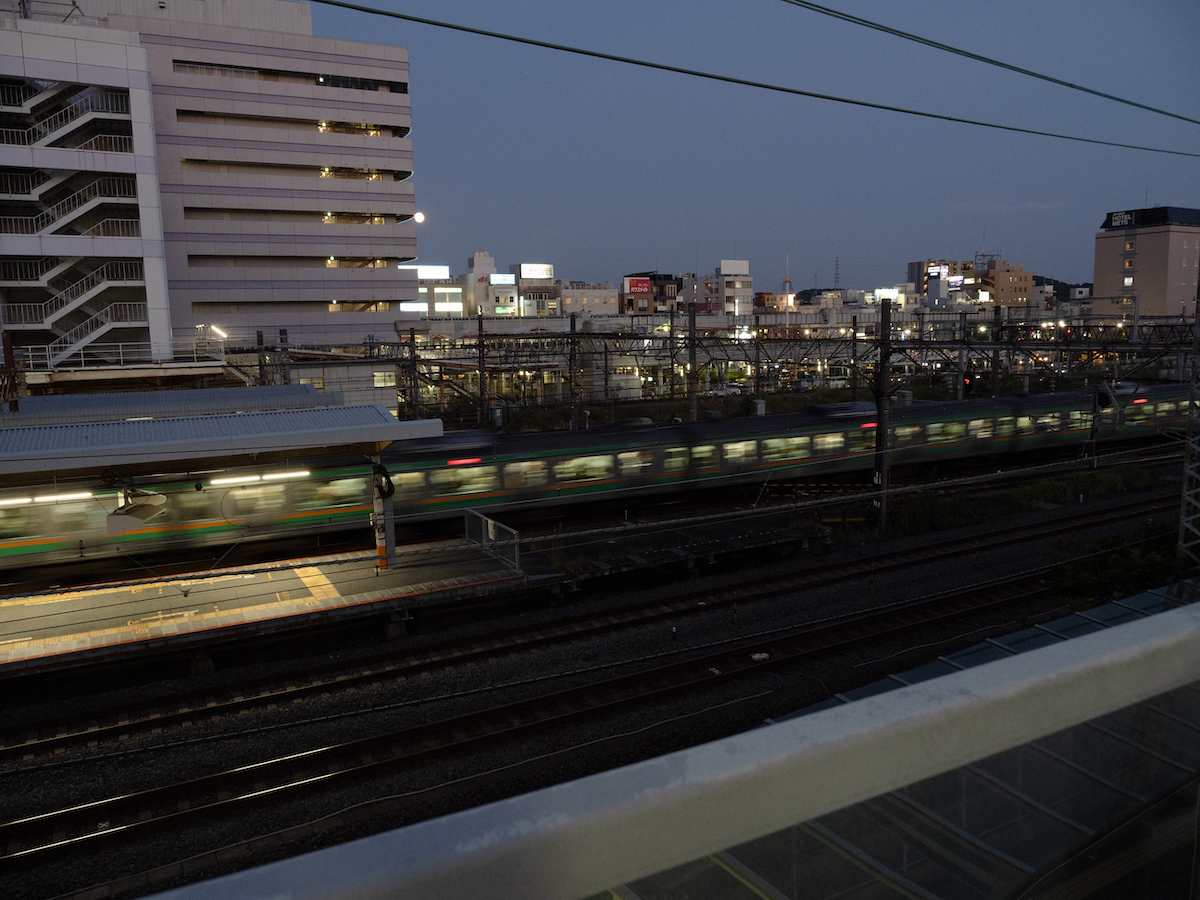
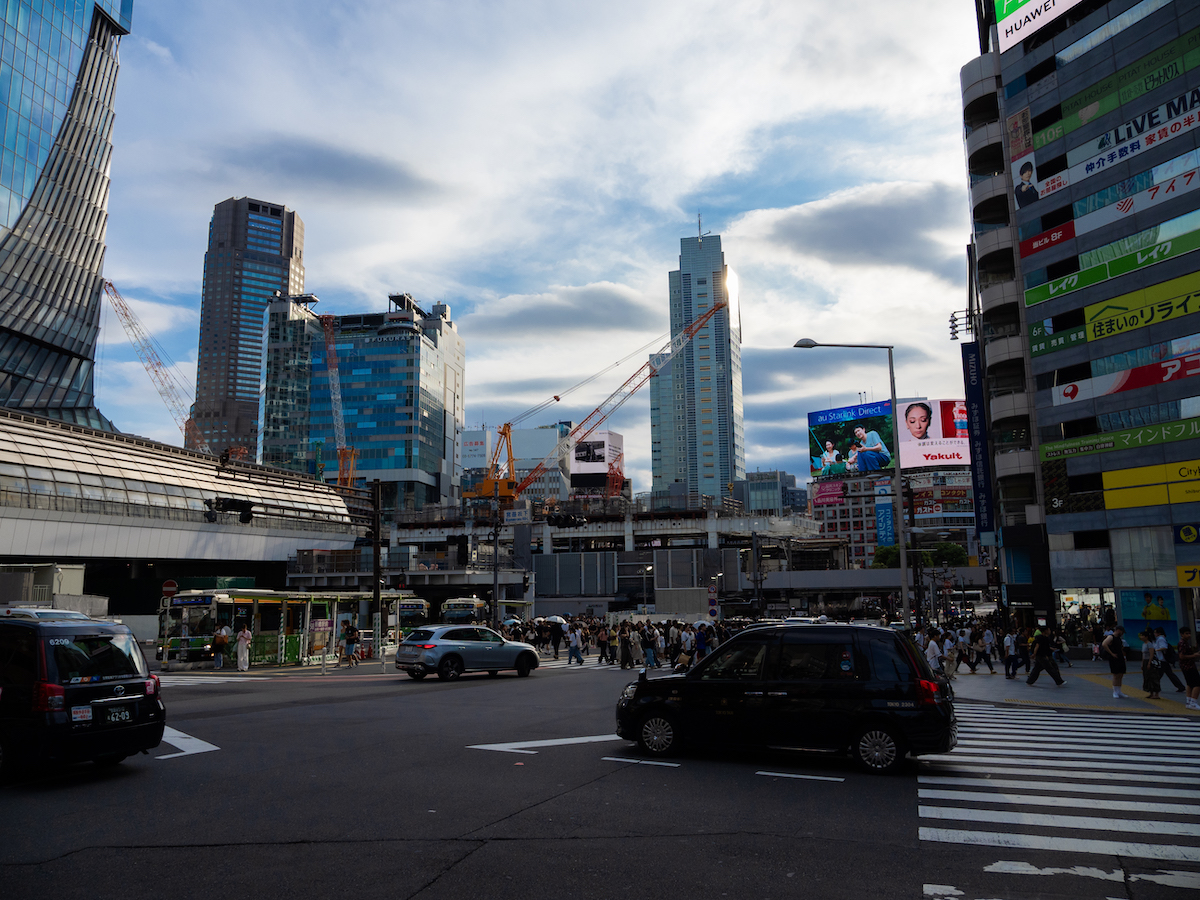
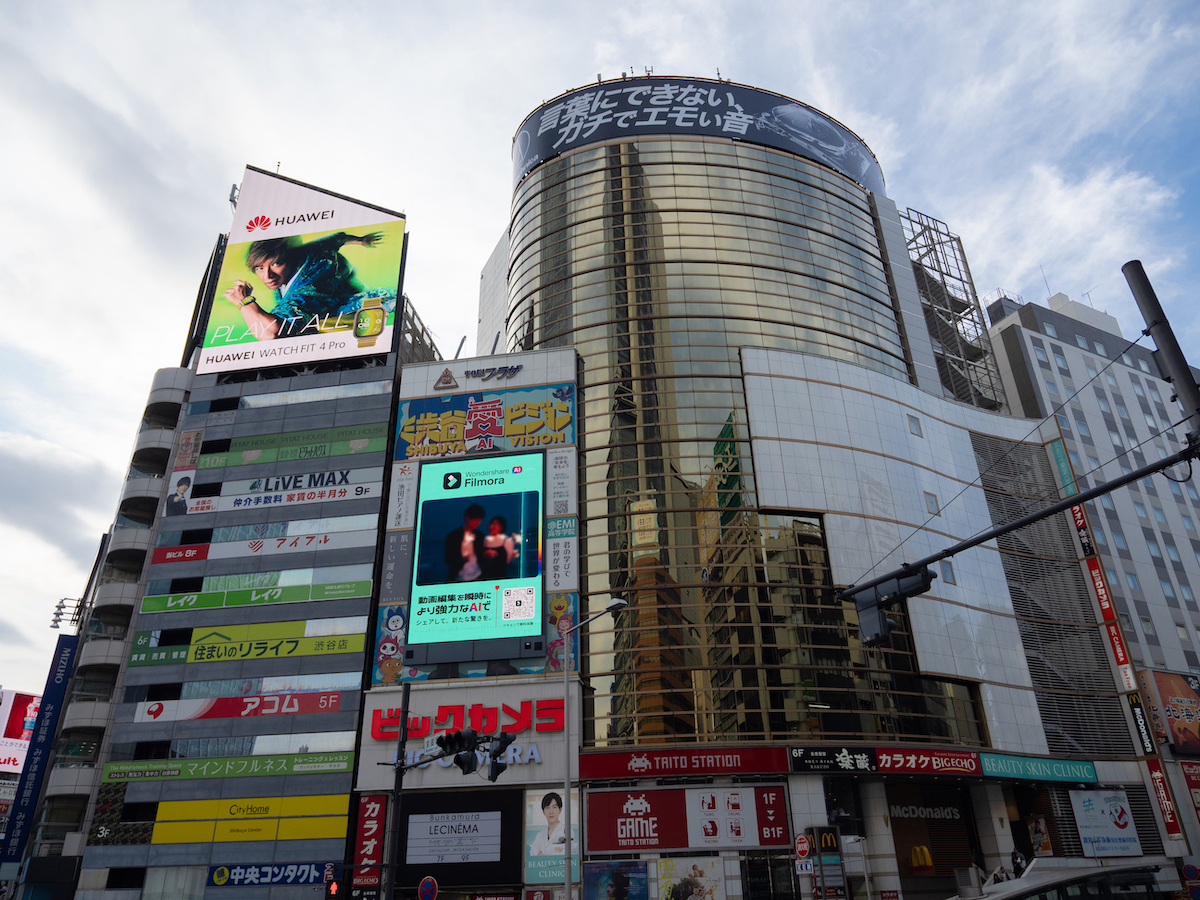
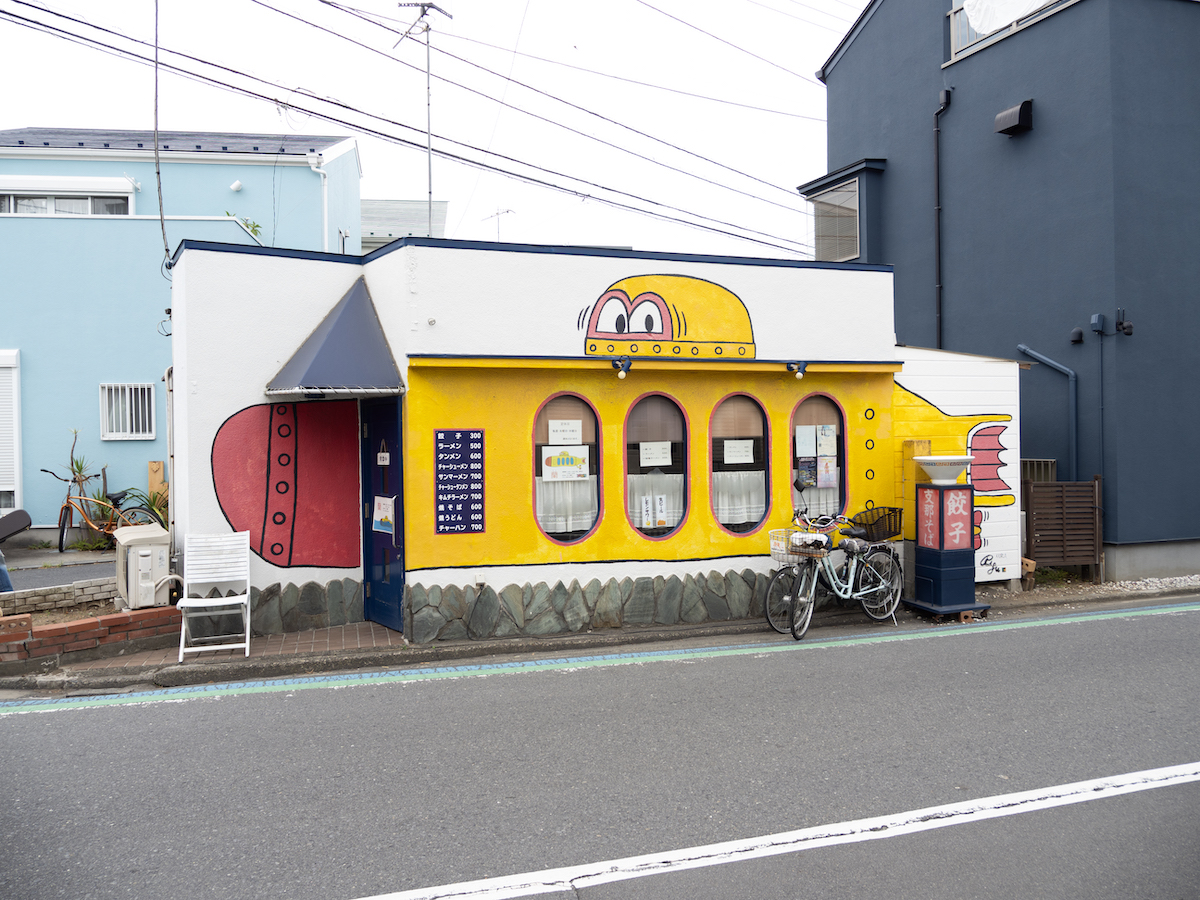
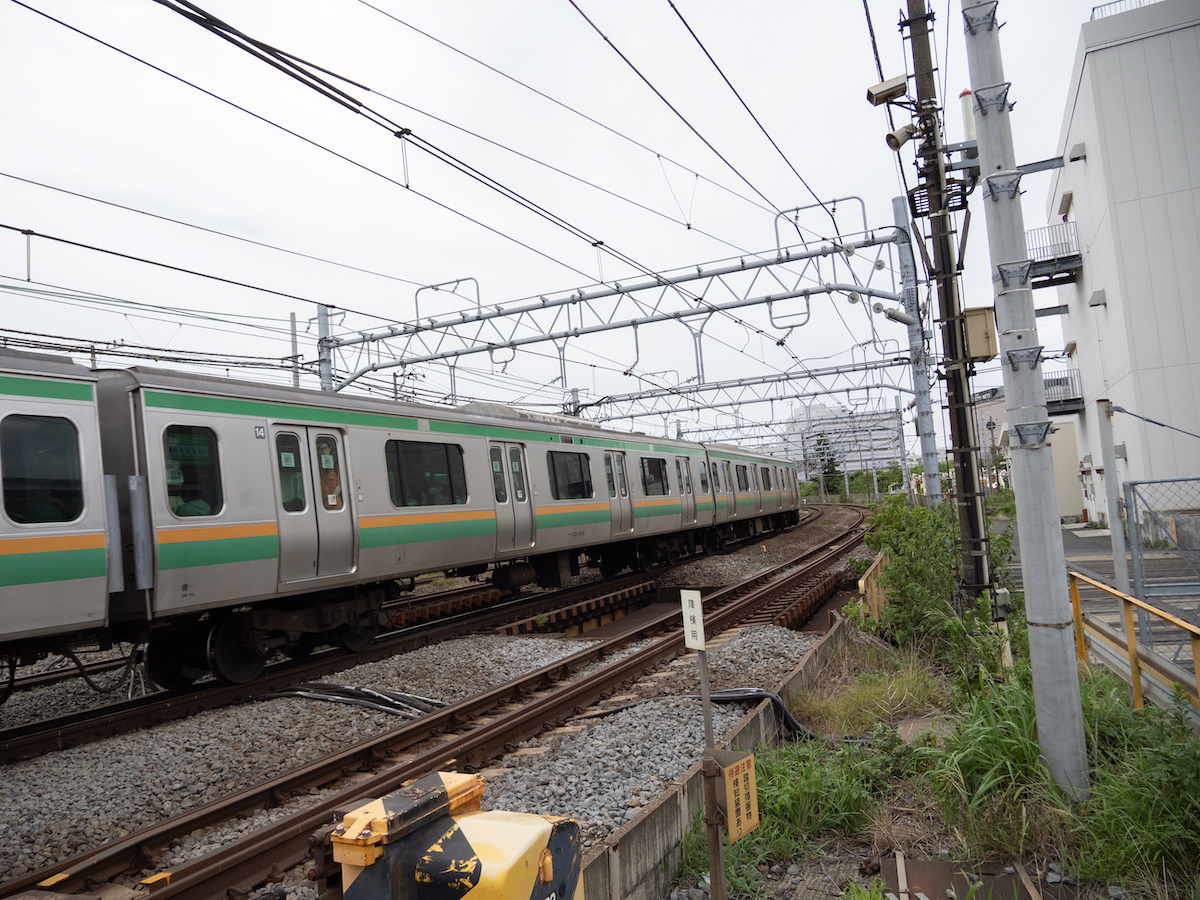
As you can see, outdoors, this camera operates perfectly well. Many of my M43 user friends have said the compactness of these cameras is a major factor in their gear decisions. I fully understand why they like these OM System cameras so much.
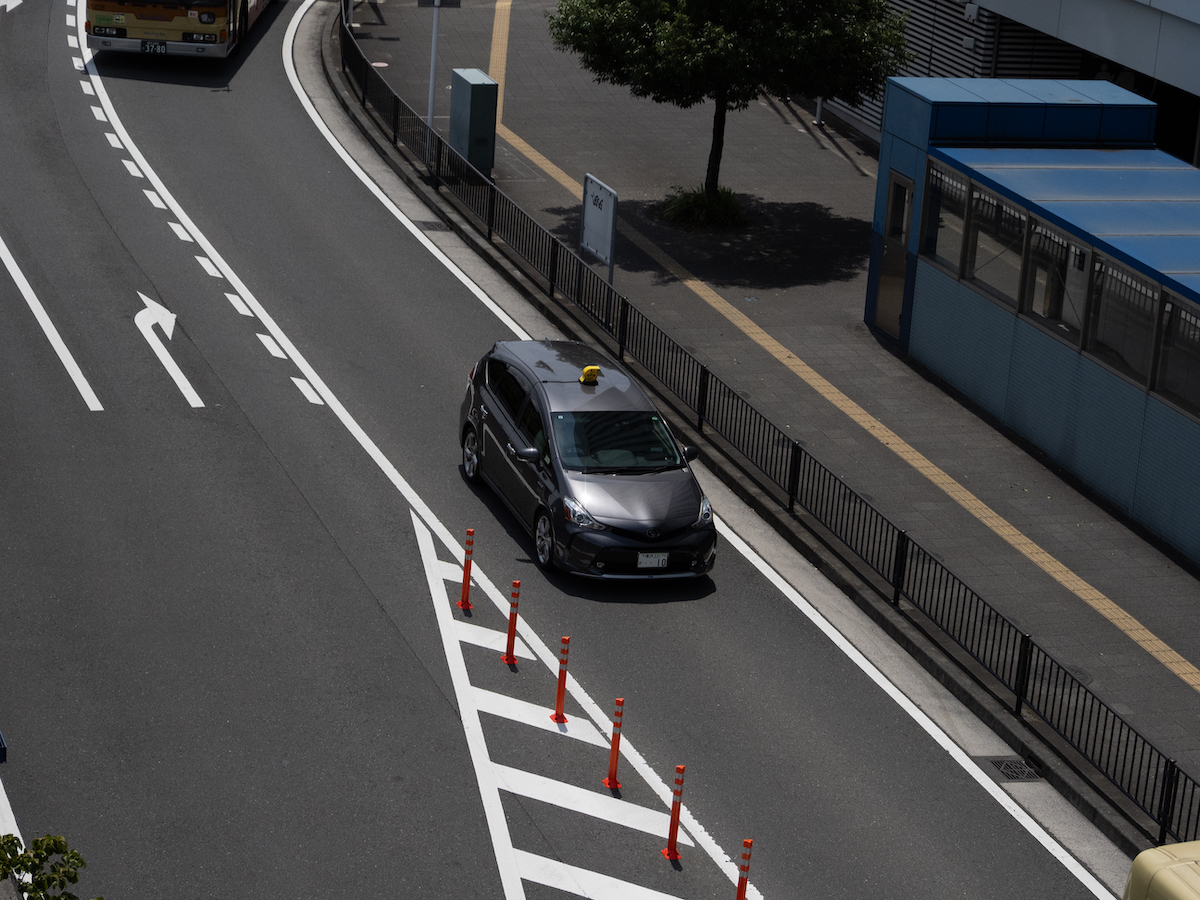
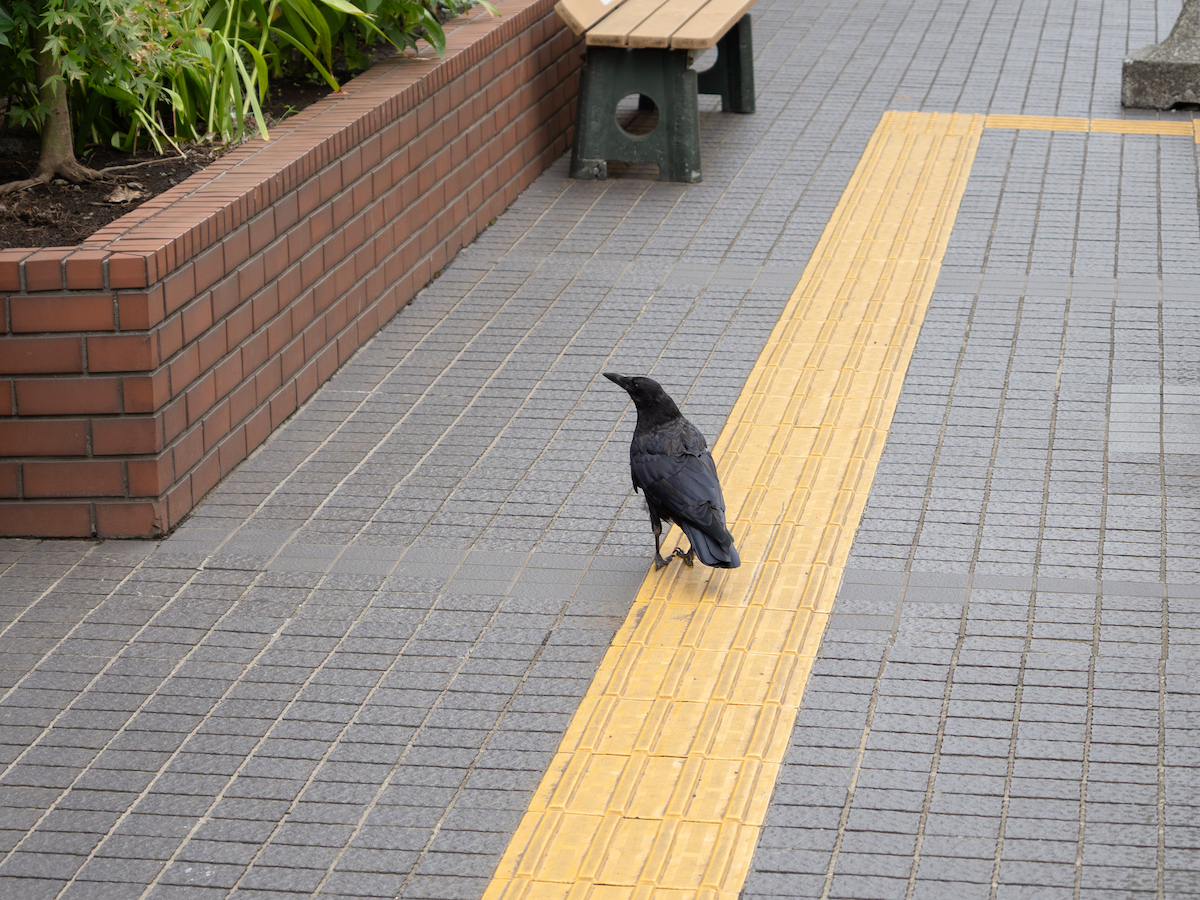
The 45mm zoom on the M43 system is approximately 90mm, and that gave me some surprisingly decent telephoto shots.
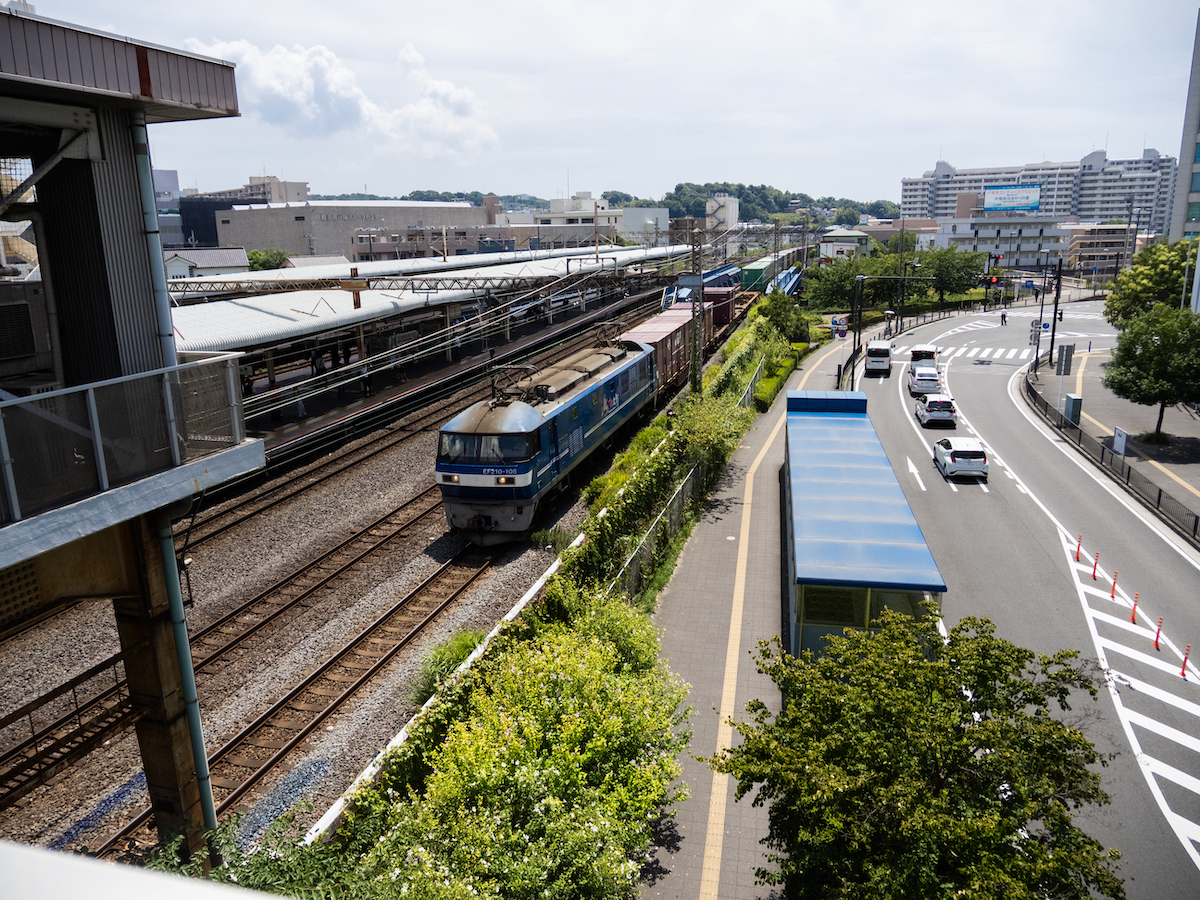
More Outdoor Snaps on the OM-5 Mark II
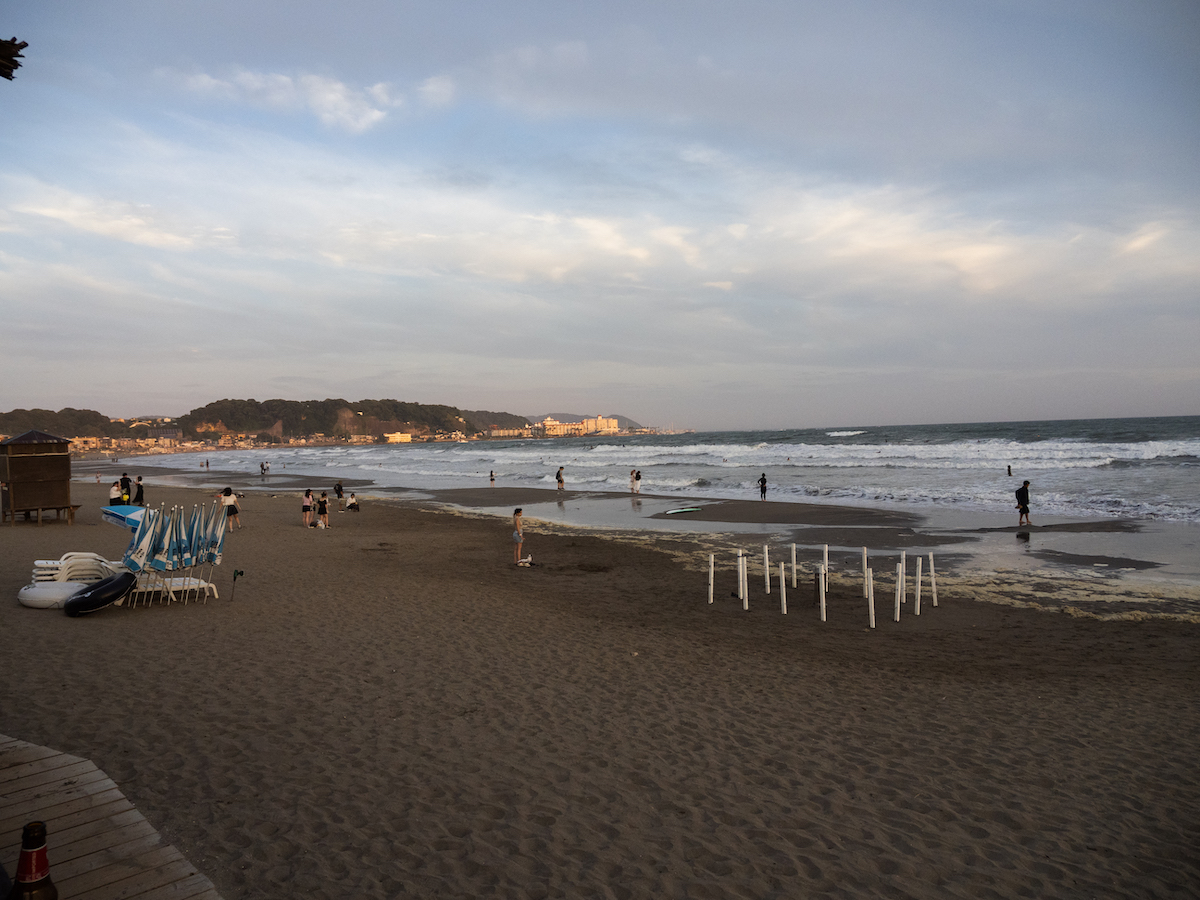
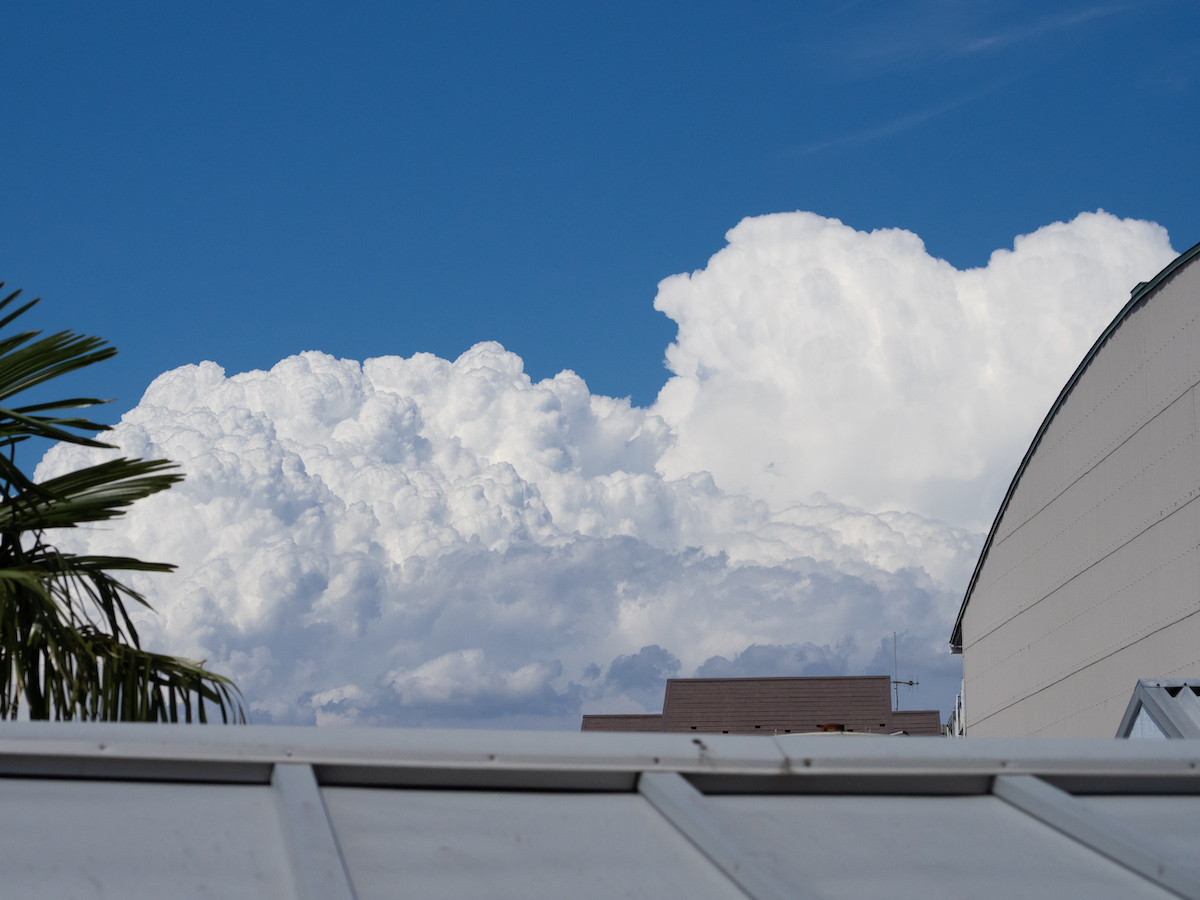
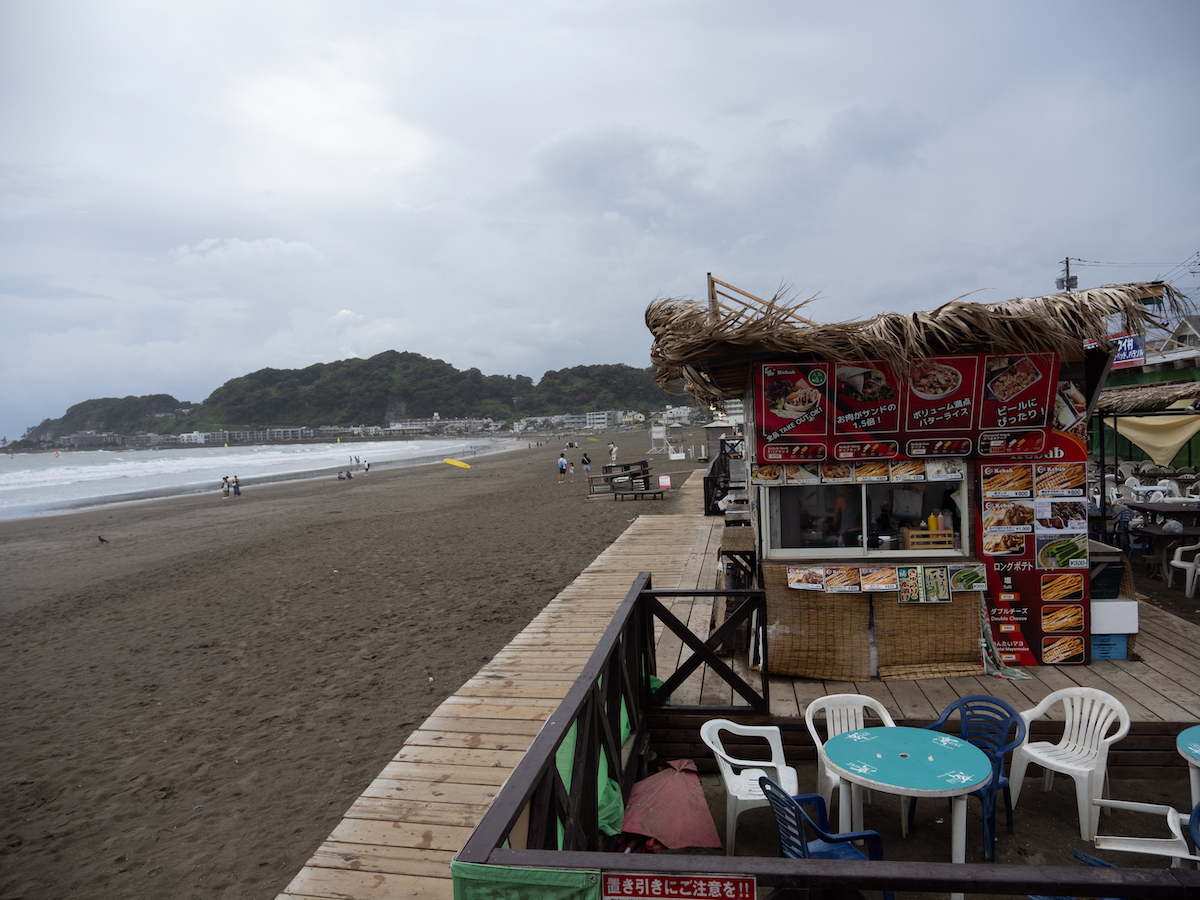

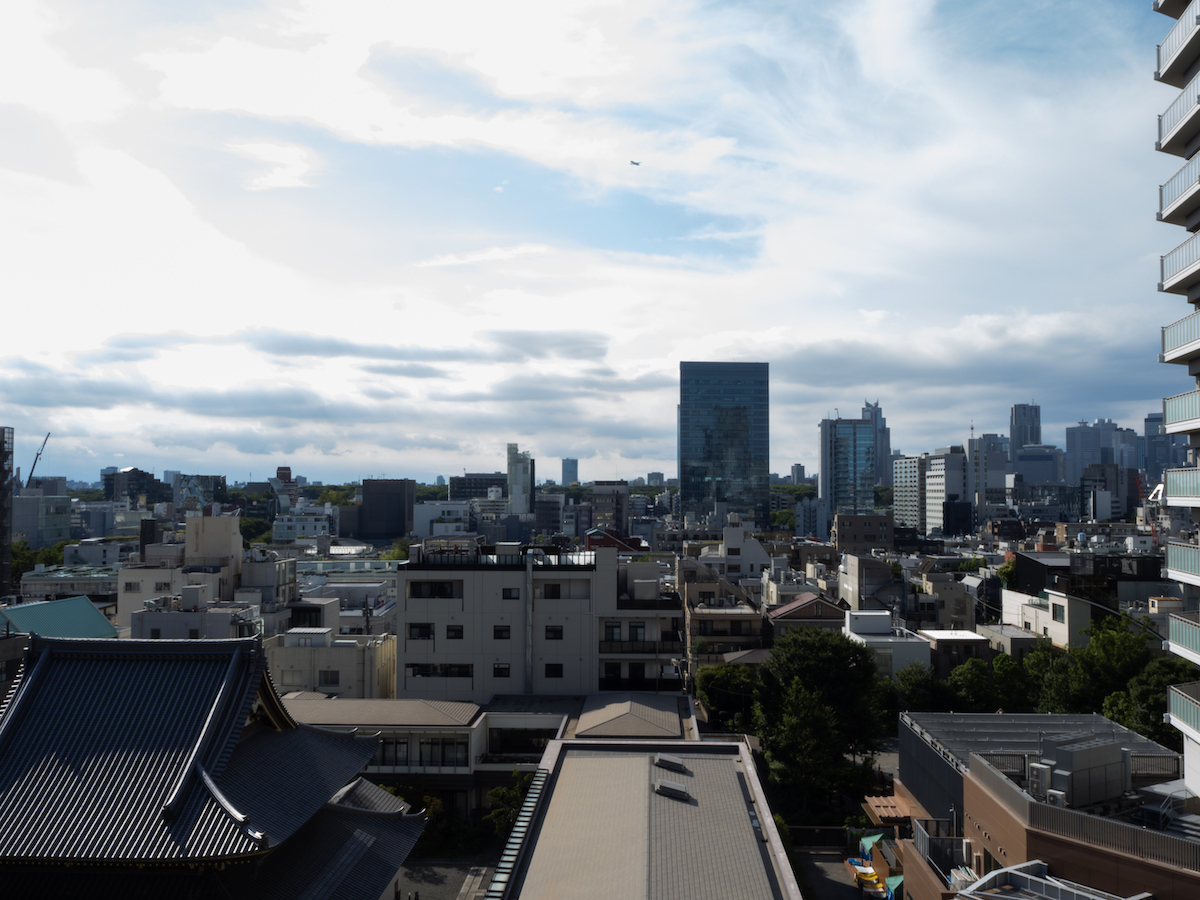



Testing the OM-5 Mark II Burst Modes

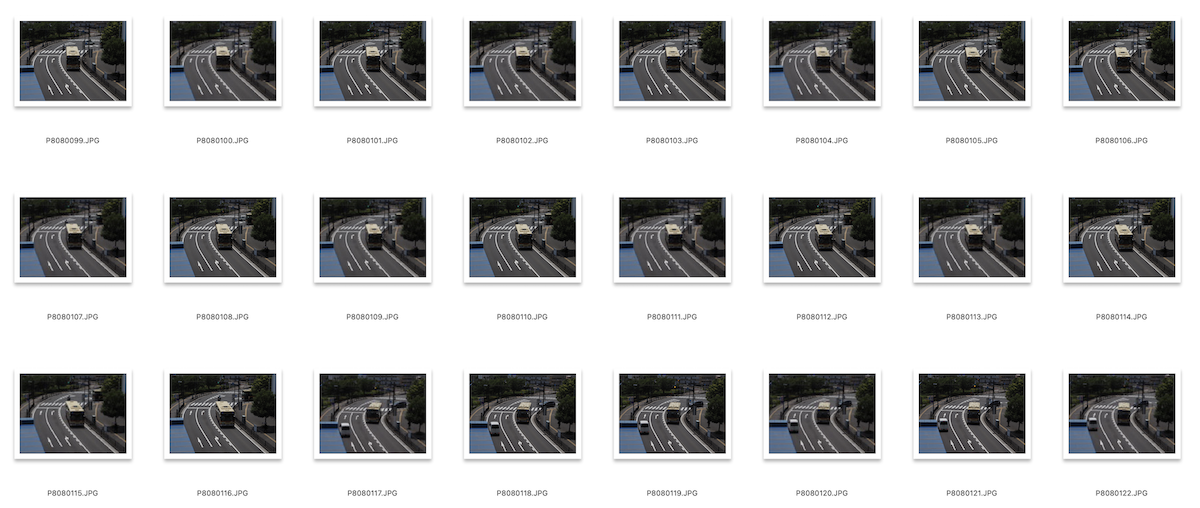
One particularly interesting feature of the OM-5 Mark II would be its burst mode. The highest level of burst mode would be its ‘Pro Capture’ mode. This mode silently takes numerous images even before the shutter button is fully pressed. “Pro Capture mode buffers images before the shutter is fully pressed, so you never miss the perfect moment in uncompromised RAW quality,” per the OM-5 Mark II press release.
Here’s the first four shots in a series of bursts.


As you can see from this mosaic of bursts I made with Pro Capture mode, it can be quite useful for a variety of settings. These shots cover a span of just about 2 or 3 seconds.
Nighttime Photography

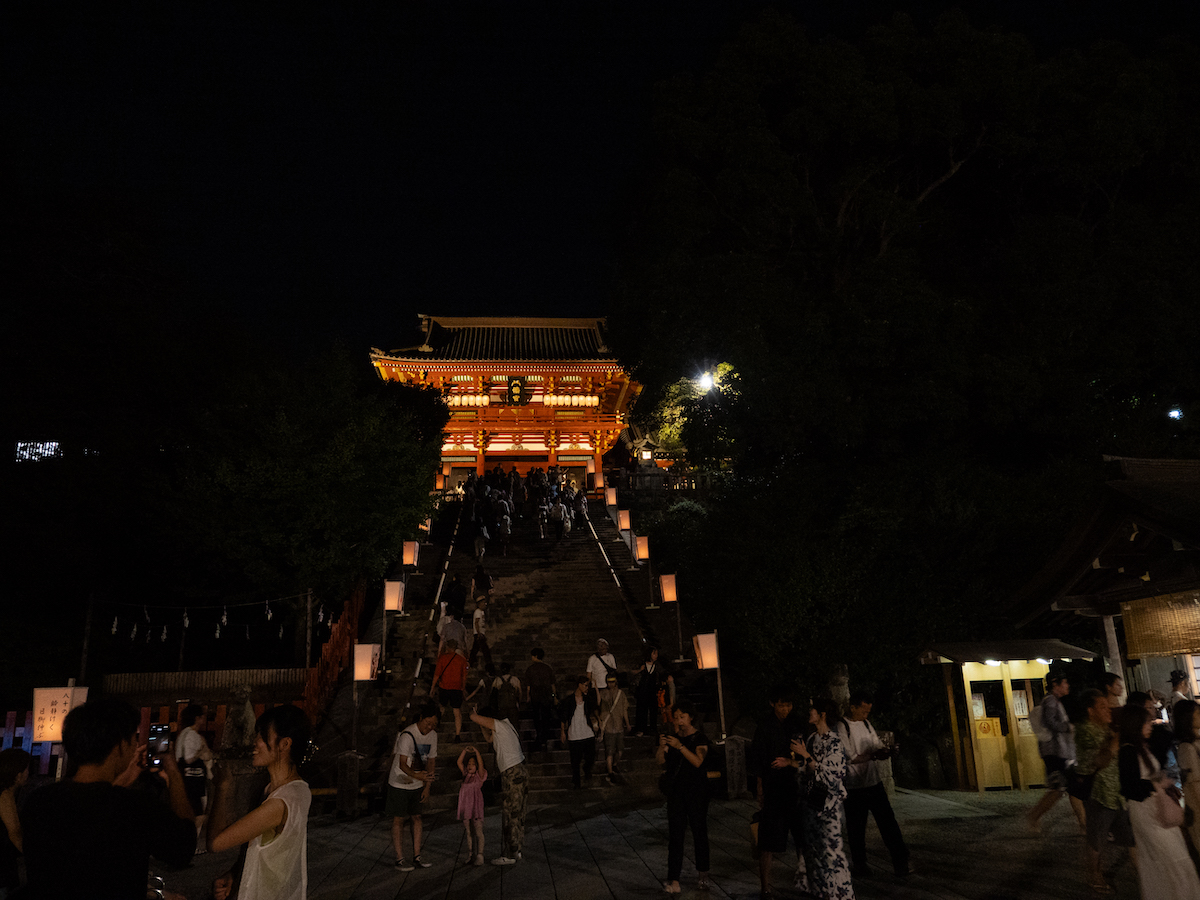
The one big drawback with OM System cameras being Micro Four Thirds is the sensor is much more prone to noise in low-light photography. If you are an average user who does not change the camera controls much, you may struggle with this quite a lot, especially when photographing fireworks.
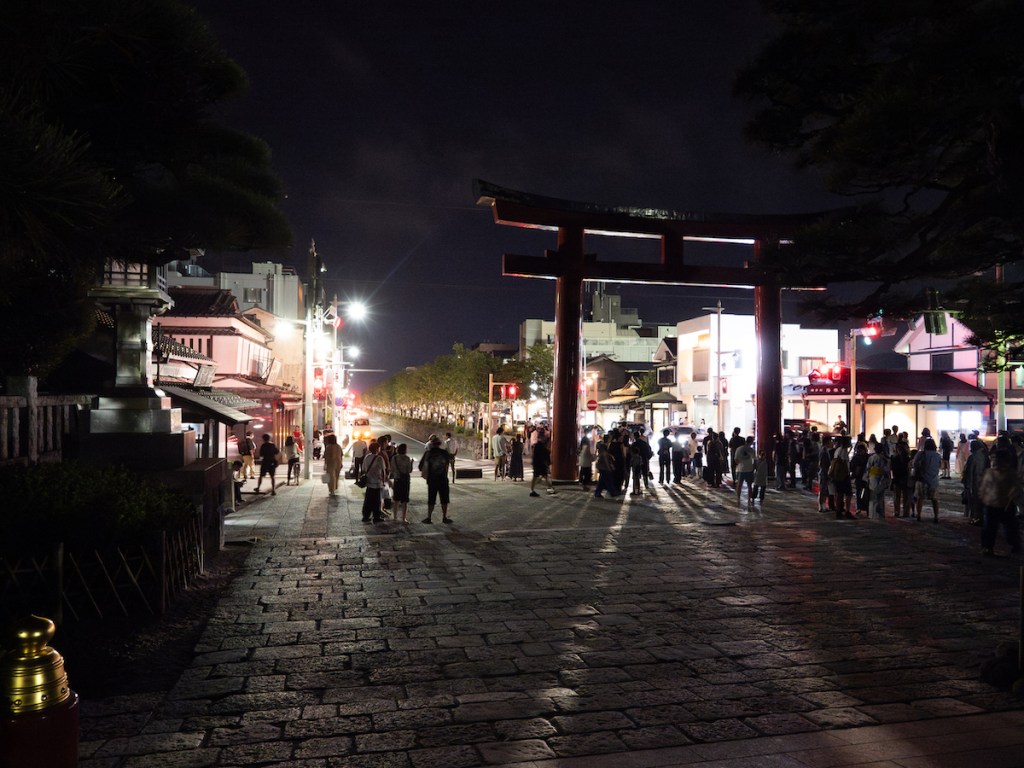
Additionally, shooting handheld will be a challenge for beginners. Handholding a camera with a shutter speed of 1/10 is a tough ask, but somehow the OM-5 Mark II delivers in the stability department. Auto mode with this camera would’ve set the shutter speed down to at a minimum of 1/4. That’s nearly impossible to handhold.
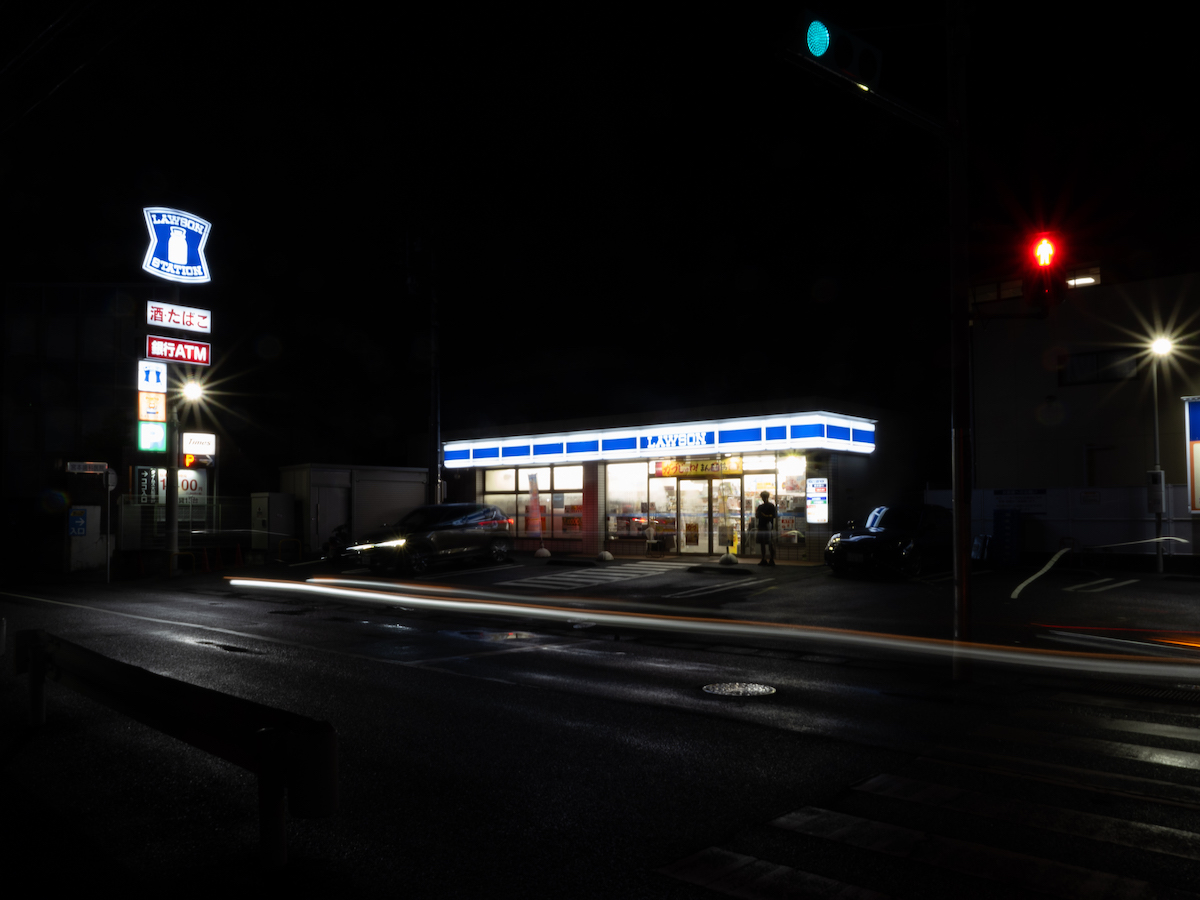


On the flip side, the camera doesn’t have much of a problem shooting close-up in low light either. Just need to have precision in your shooting.

These shots below were quite a labor to take. I stabilized the camera with my wallet placed next to the lens to keep the wind from buffeting it.
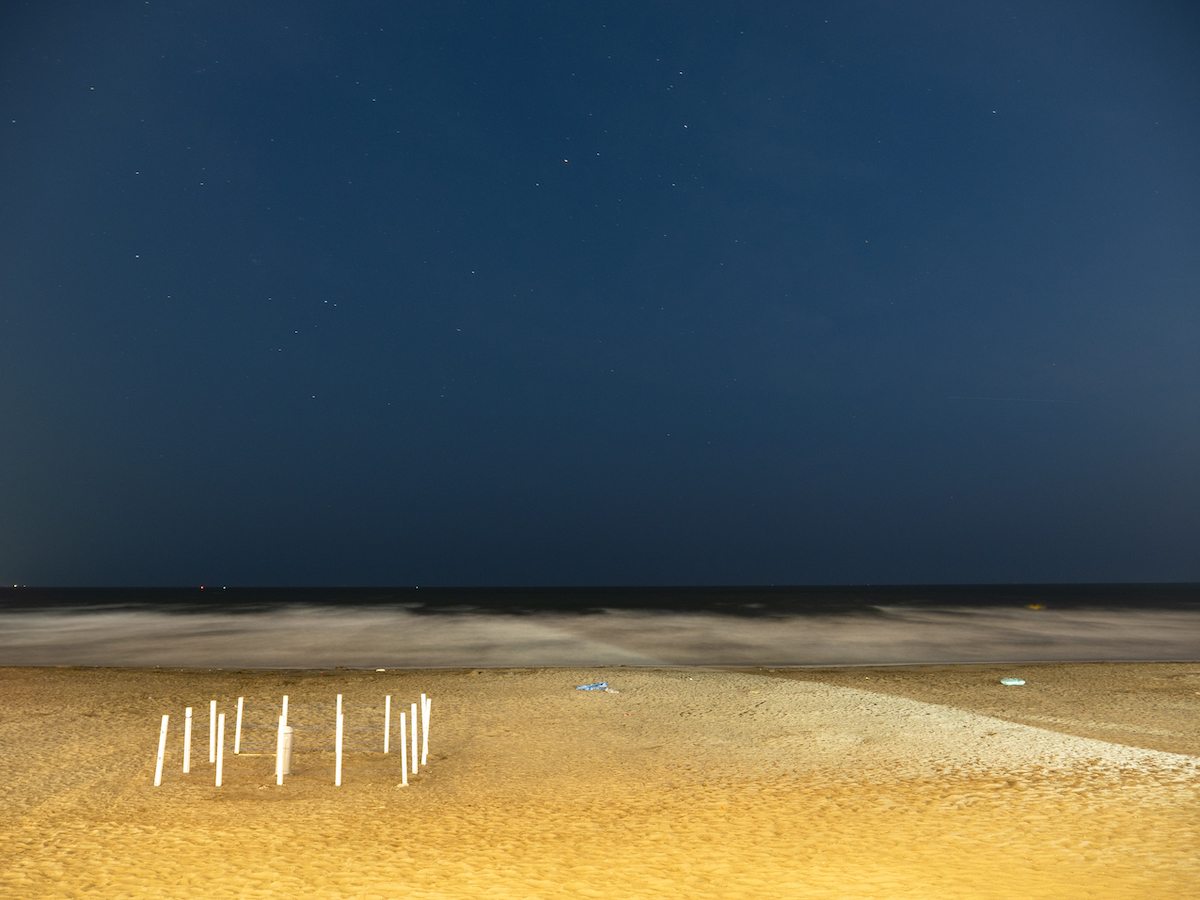

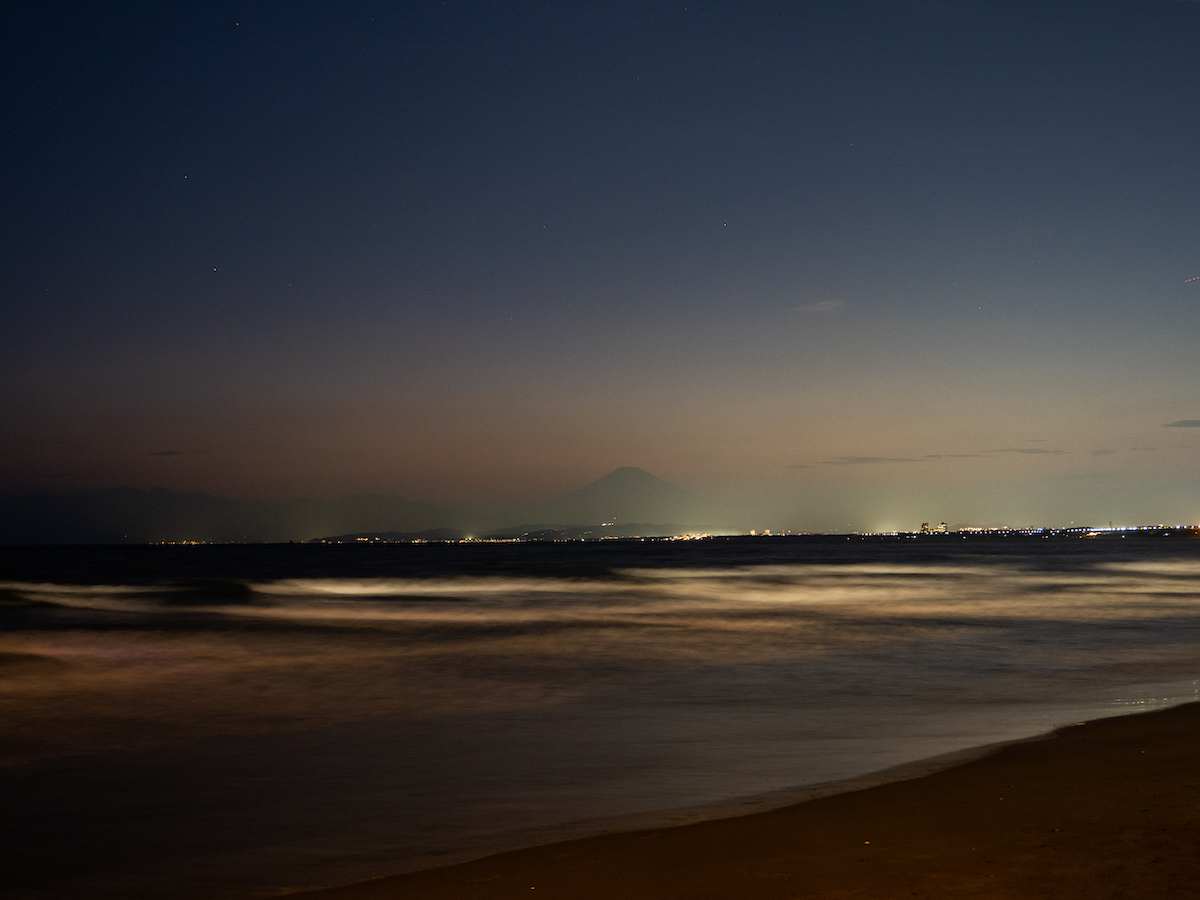


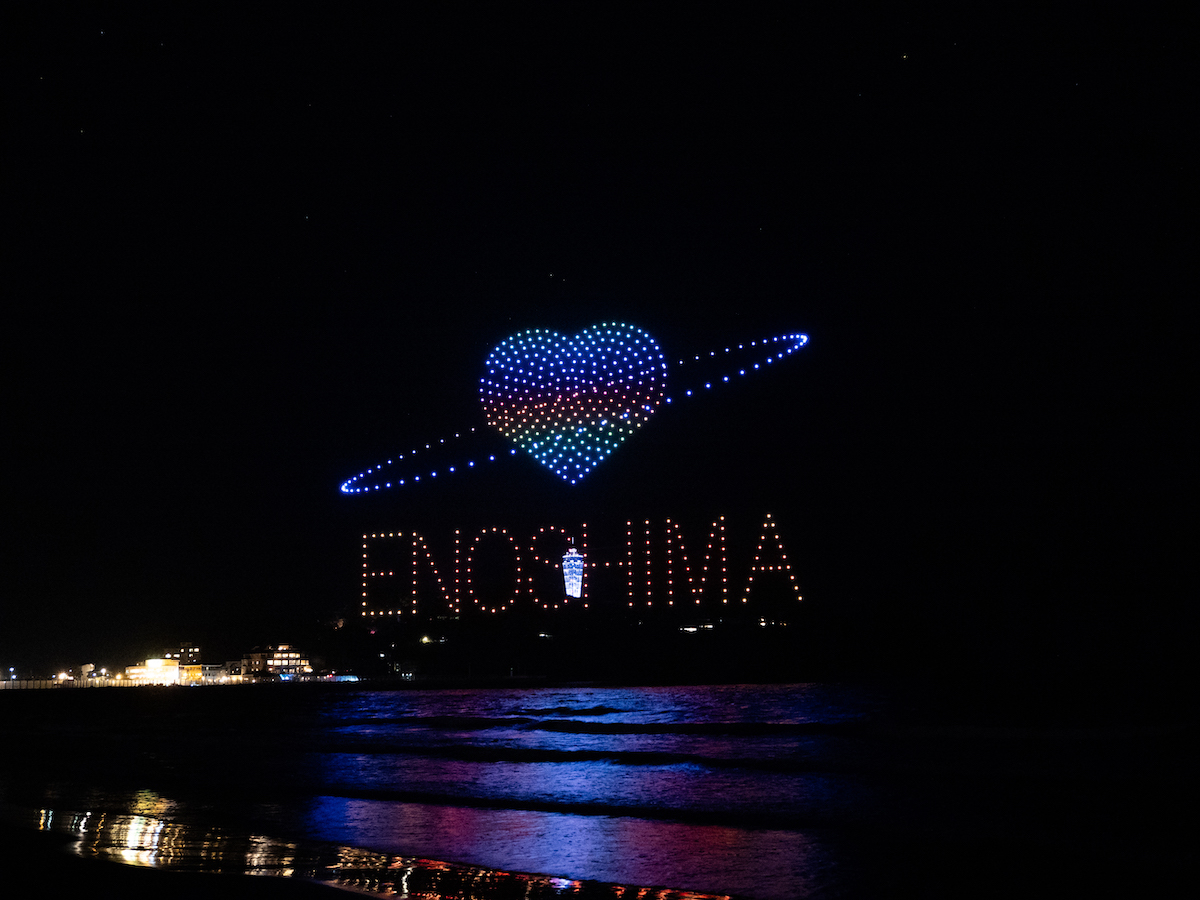
The fireworks shots here, shot during a festival at Enoshima Beach, required the use of one of my steadier video tripods. I own a smaller tripod which fits this camera perfectly fine, but, knowing that the OM-5 Mark II is very sensitive, I opted for a much more sturdy tripod. Additionally, these edits took quite a long time. I did have to use the denoise function on Lightroom to make sure I got all of the grain out.

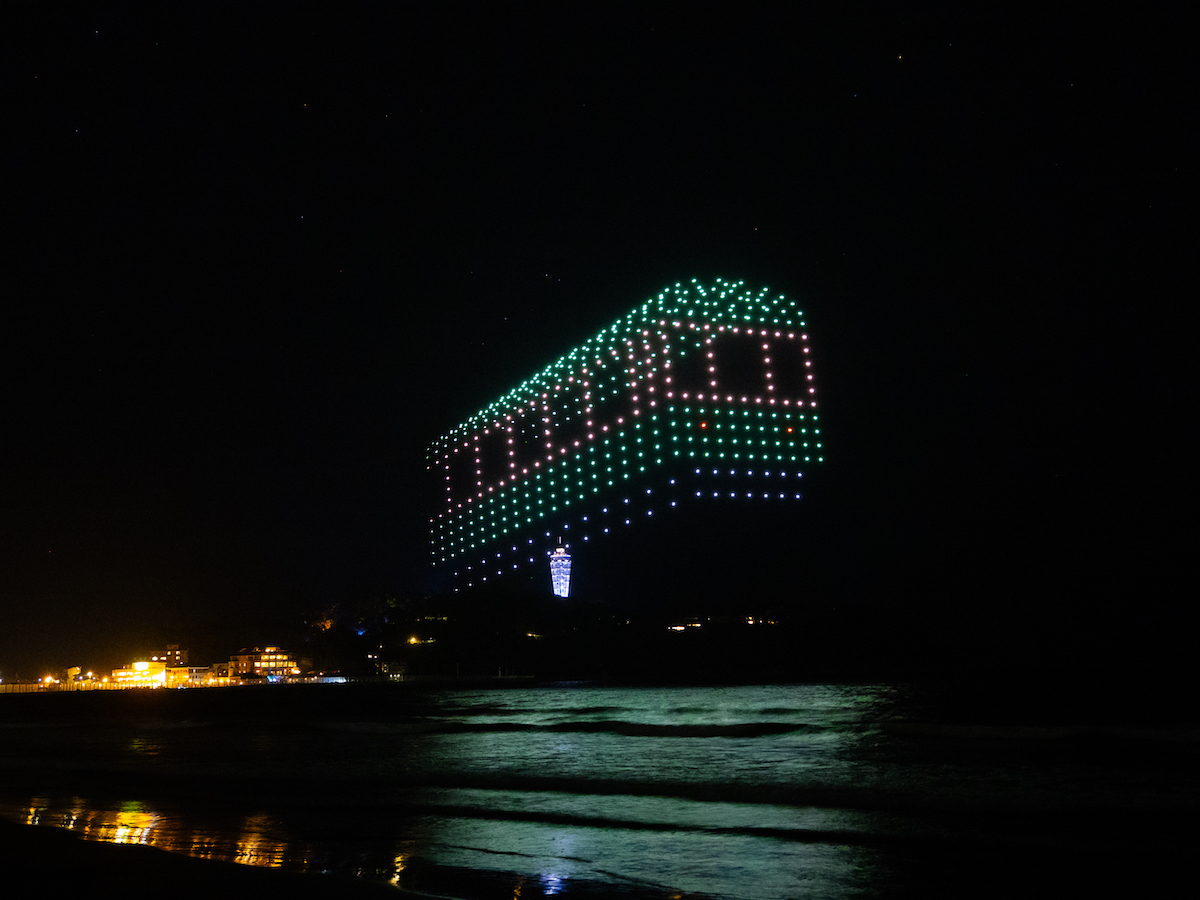
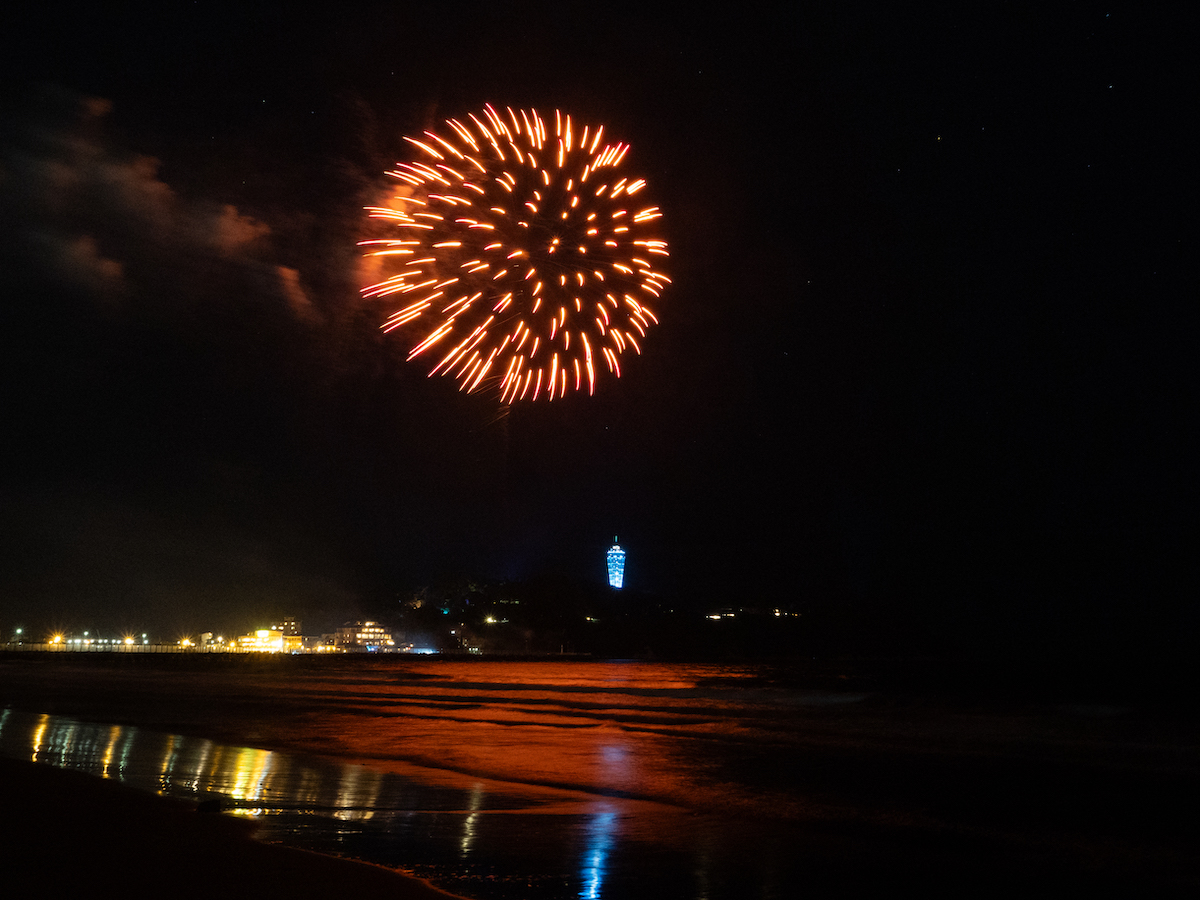
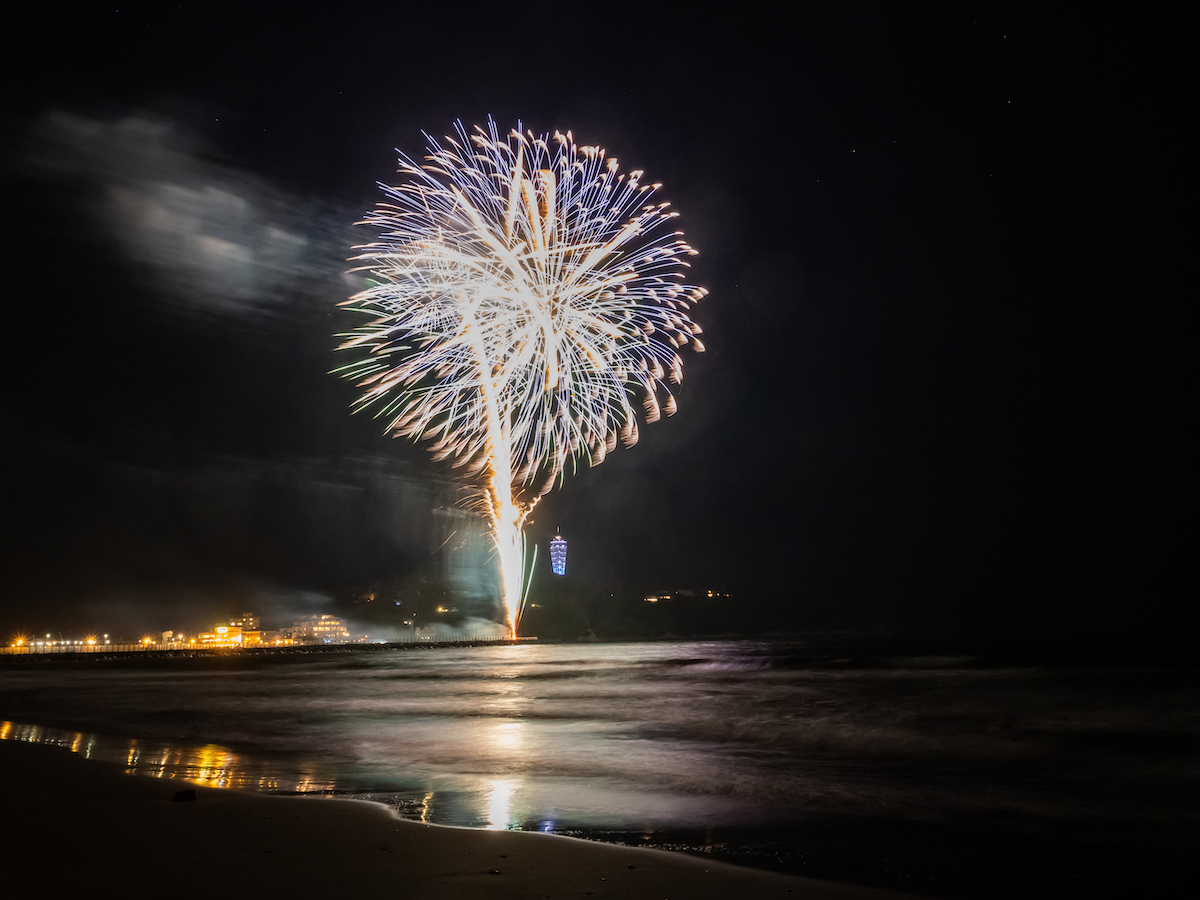
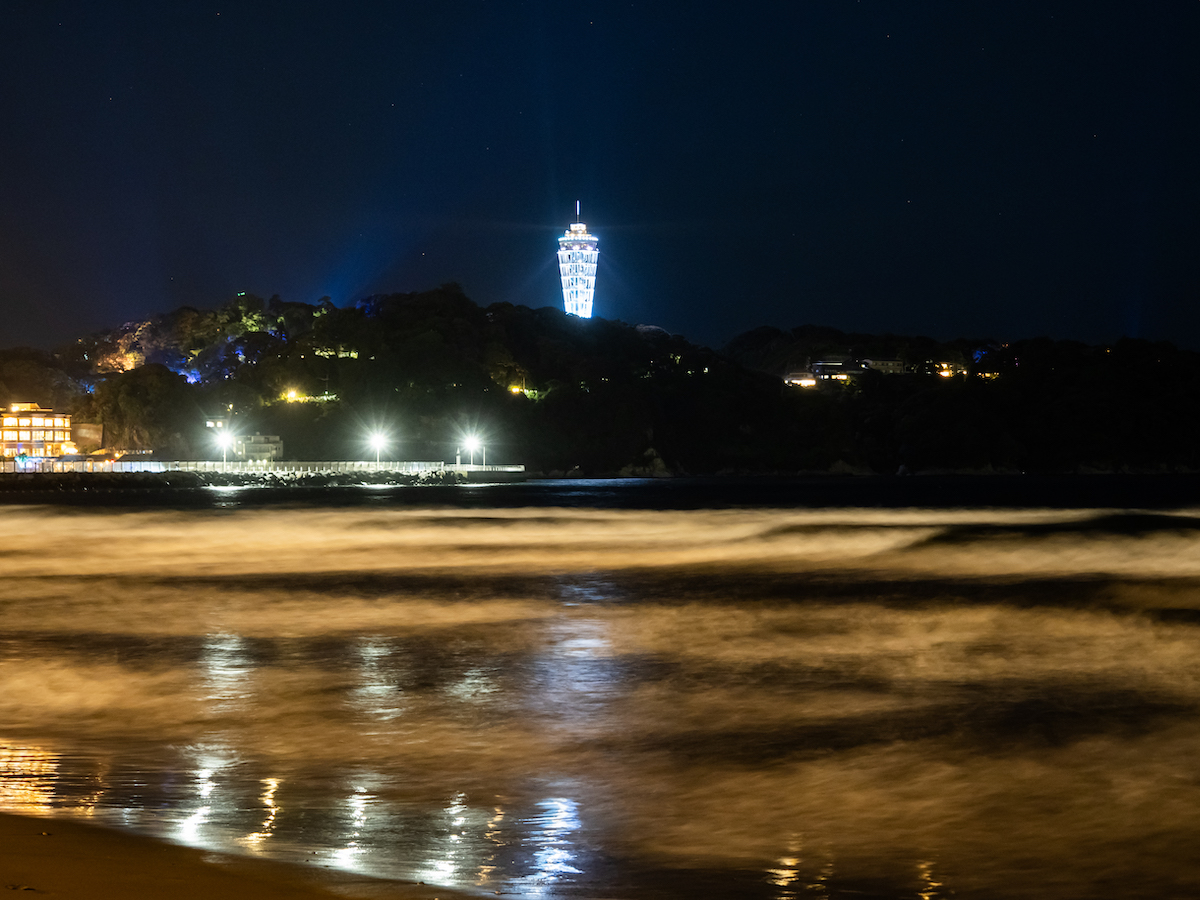
If you’re a photographer with a good grasp and command over the minute aspects of photography, then this camera is fine enough for nighttime shots. Keeping an eye on your ISO gain levels is key, which is how I was able to take the following long-exposure shots with zero grain issues.

Color Science Test – Sunset Photos
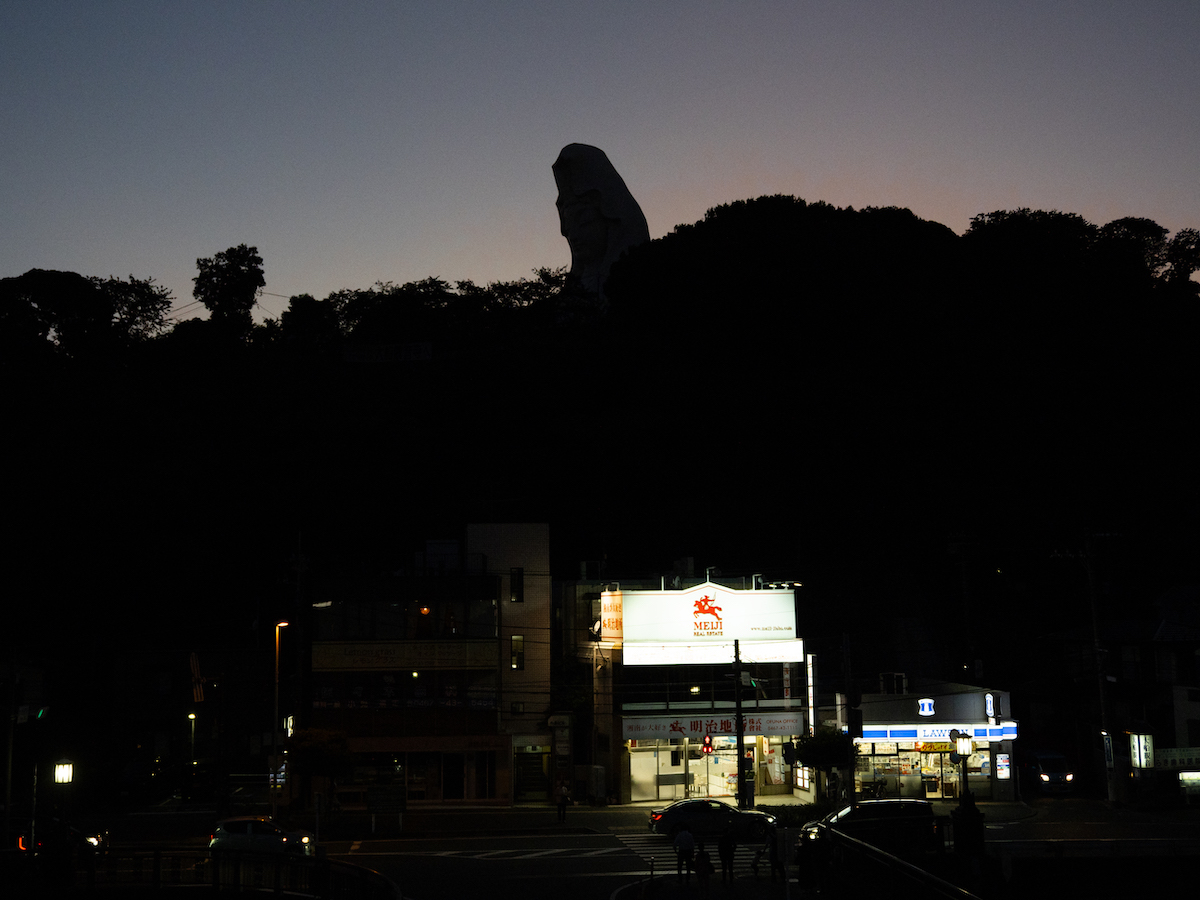
I set the white balance to auto for these shots. The goal was initially just to test how they held up with lower light, like above. However, given how pretty Shonan sunsets are, I ended up just taking a bunch of sunset photos during my time with this camera.

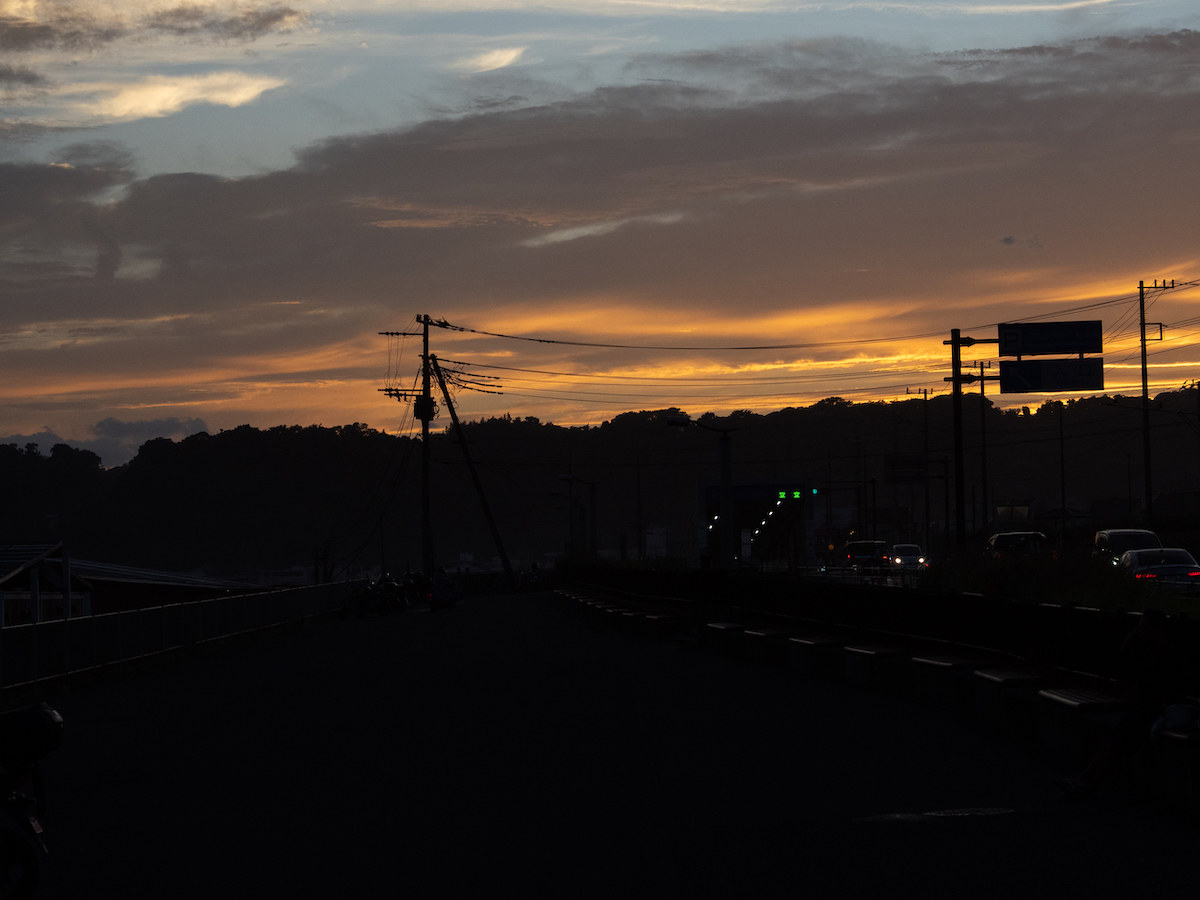

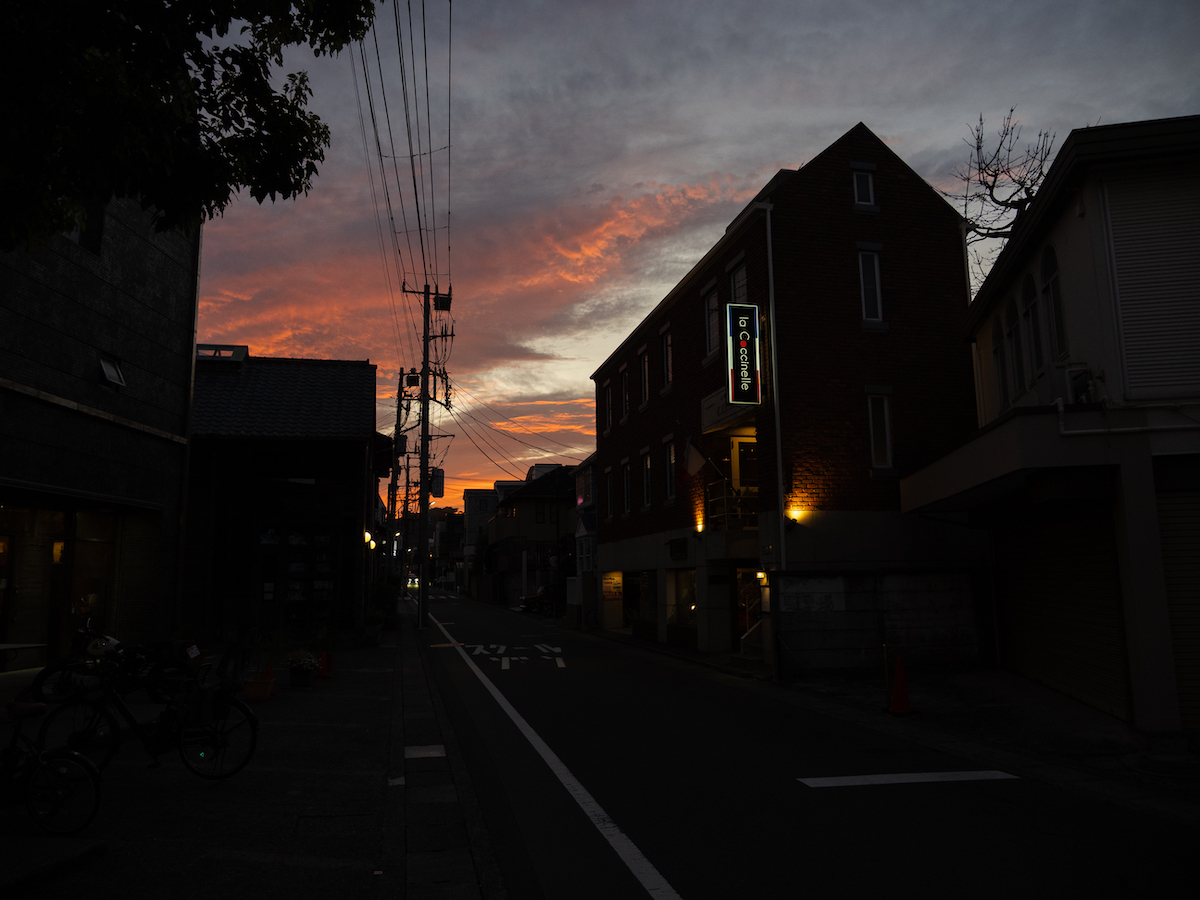
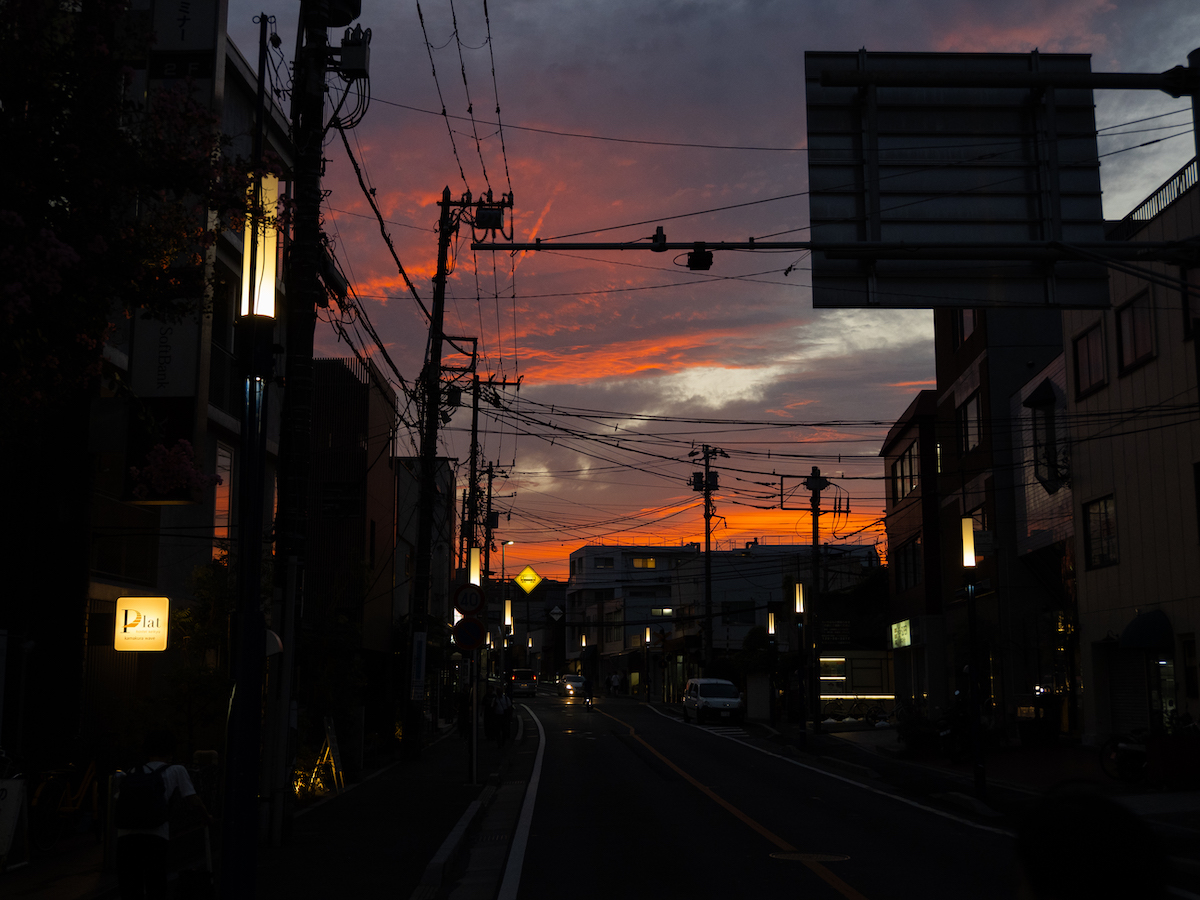

As you can see, this camera really maintains color balance quite well, even with auto white balance settings. I am incredibly impressed with these shots.
Video with the OM-5 Mark II
The M43 system has a pretty mixed reputation when it comes to video but one thing that’s for certain is that this camera is incredibly stable. I had no problems shooting videos with the Mark II.

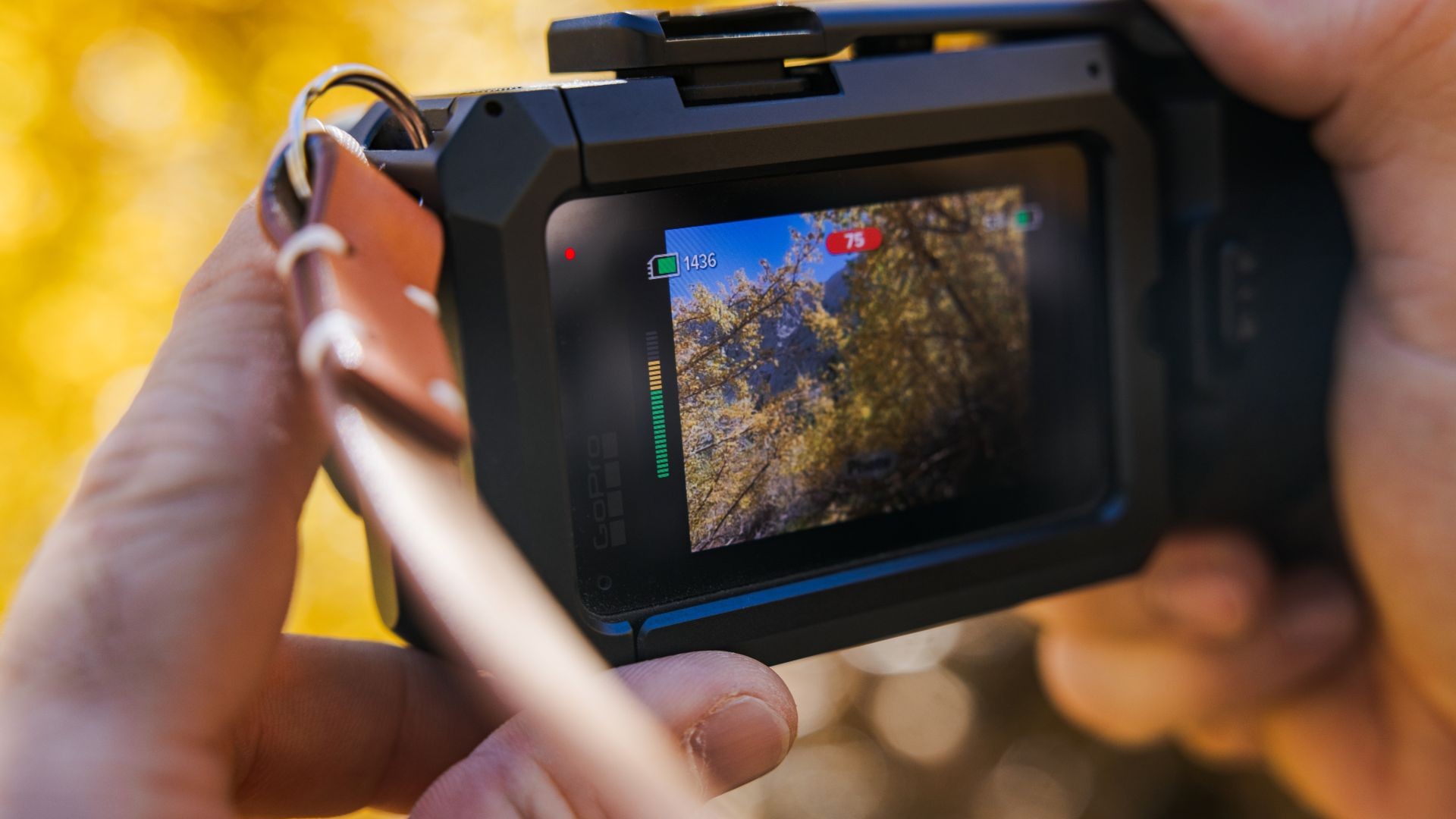
One side note, as you can see from the above image, just like the Nikon Z5II review, to avoid scalpers, OM System didn’t allow me to change the language setting on this. I think makers need to avoid doing that. I speak Japanese but my technical vocab knowledge is still subpar. There are other ways to avoid scalpers, Japanese camera makers!
Below I posted a series of clips. Note these aren’t color grades or anything. Just straight out of the camera.
What does this author think of the OM-5 Mark II?

I come from a background of 35mm full-frame photography, be it on film or on digital. However, this wasn’t as much of a learning curve as the previous review was with a large-format sensor. Especially for the scenic photography I set out to shoot, this was quite adaptable for me, and honestly, it was immensely fun to test this camera.
However, I don’t think I had enough time to thoroughly test or even compare full-frame versus micro four thirds tech. One difference in particular I’d like to test is telephoto photography, especially with these newer OM system cameras. At CP+ remember, OM System had an entire set up simulating birdwatching photography at their booth. I think for the next OM System review we do here on PRONEWS, I’d like to test out OM System’s highest performing telephoto lens in nature, and compare that to a telephoto lens of similar 35mm equivalency on my personal camera.
Either way however, this was an incredibly fun camera to review. I look forward to testing out more OM System gear in the future.
Written by Zach Kuhn – profile

Zach is the web editor for PRONEWS Global, and a multi-media film and digital photographer. His work in social media content creation stretches back to the early days of social networking sites. His Instagram can be found here.
More Sample Images