CP+2026 Exhibition Report
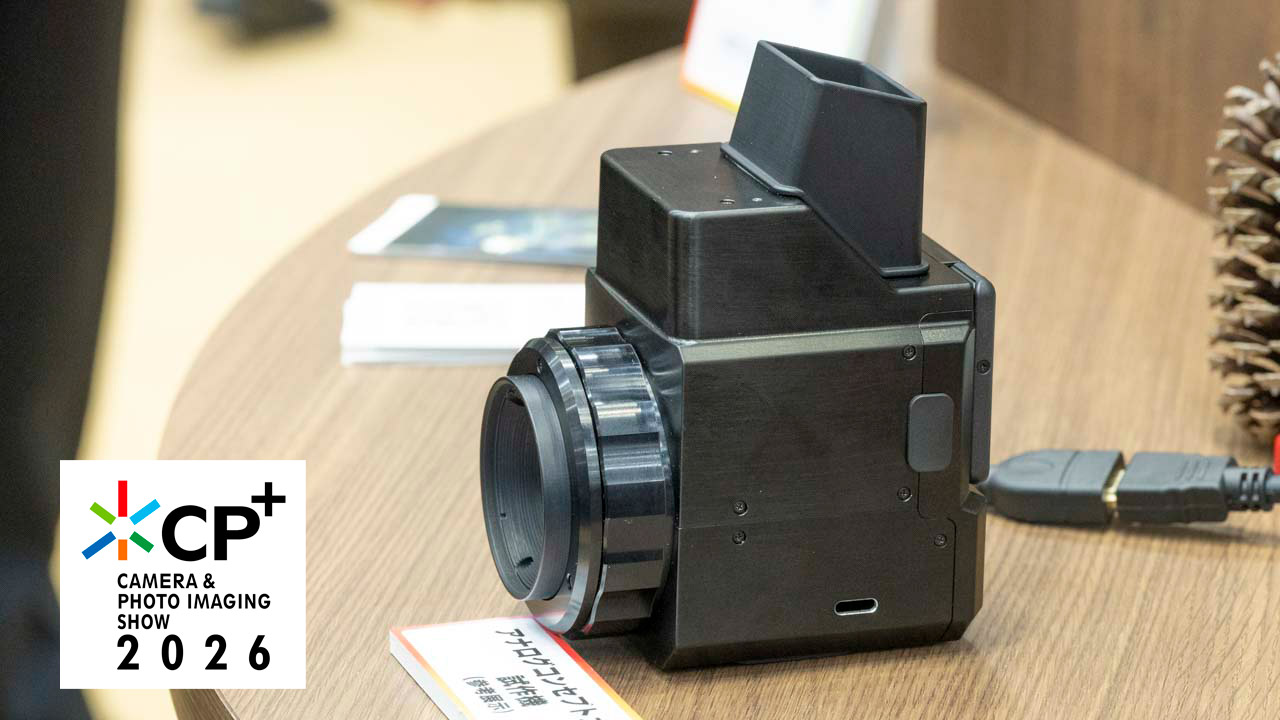
At Canon’s booth at CP+2026, Canon unveiled the Canon Analog Concept Camera. This is a small camera which embraces “imperfection,” and this imperfection drew a large crowd. Analog culture such as records and film is being re-evaluated, especially among younger generations. Behind this is a clear desire for the “texture of the experience” that cannot be obtained with the streamlined digital world.
The Rationale behind the Canon Analog Concept Camera
Canon’s concept of the “Awai (space between) photography experience” goes beyond mere nostalgia and represents a fundamental challenge to incorporate “ma,” the concept of the space between things and the margins, into a digital camera.

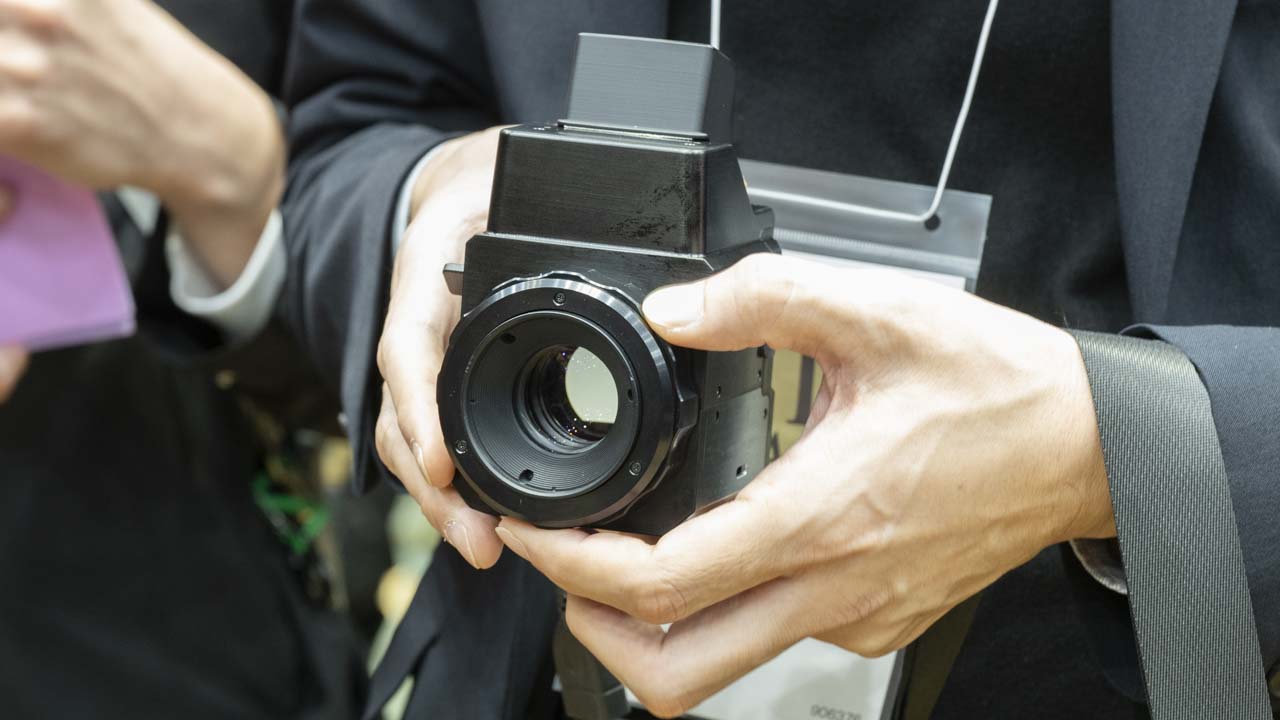
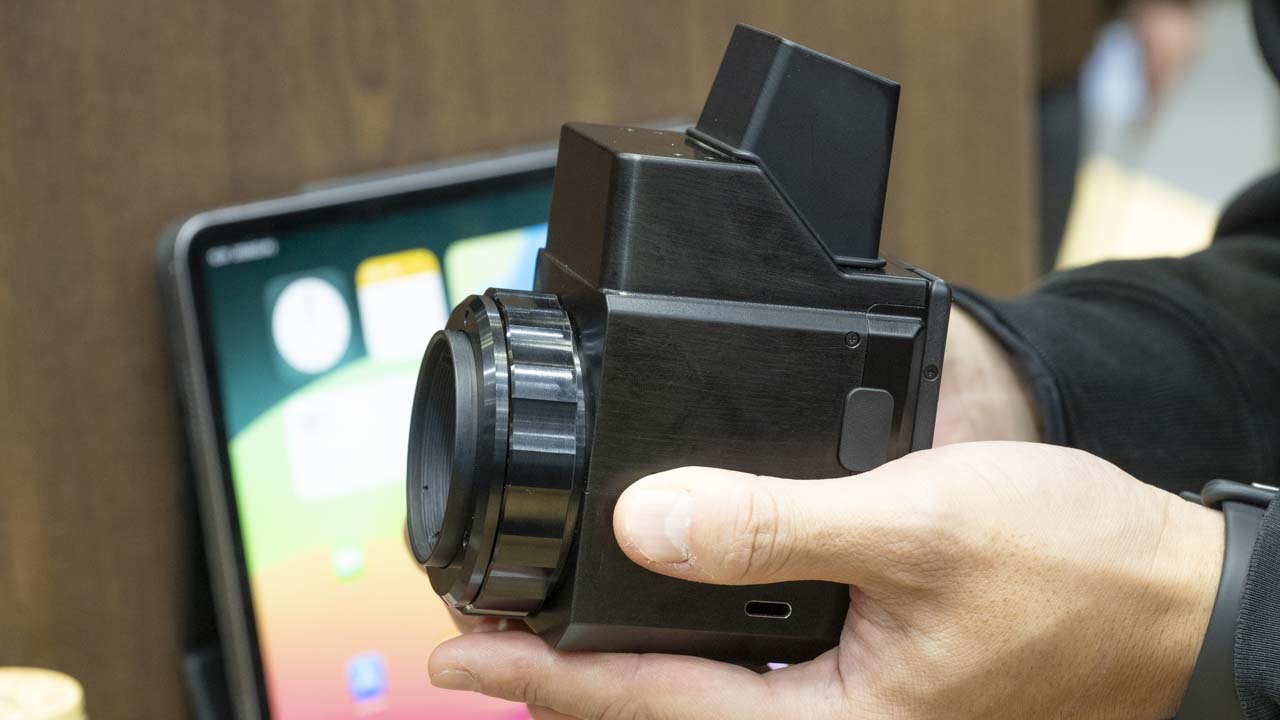
The aim of this endeavor is to combine the appeal of analog with the convenience of digital by dividing it into three elements: “process,” “substance,” and “imperfection.” The developers themselves are facing the challenge of a shortage of film for film cameras, and are searching for a solution to the modern dilemma of wanting to capture the emotion of analog while simultaneously wanting to share it instantly on social media.

The Internal Structure
This camera employs an unprecedentedly original and challenging internal structure. Unlike a normal digital camera, where the sensor receives light directly, it employs a two-stage optical system in which an image is first formed on a screen and then “re-photographed” by a separate camera module. This is a disassembled and reconstructed version of the PowerShot V10 Vlog camera and its long-selling EF50mm F1.8 lens. Through incorporating the subtle texture of the screen into the image, it achieves a film-like texture that is a physical phenomenon that cannot be achieved through digital processing.
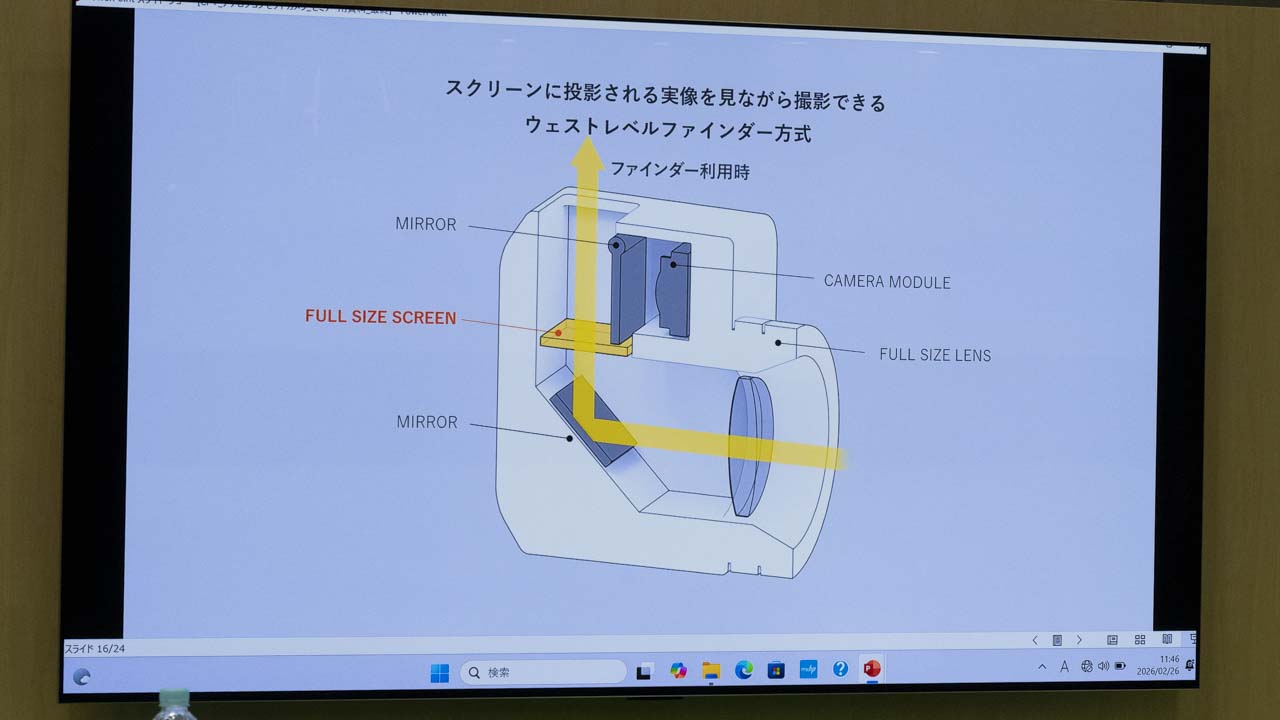
The camera places great importance on the series of movements in the shooting process. It captures the optical image at waist level and employs a mechanism for manually adjusting the focus via a movable mirror. In an age where efficient photography is the norm, the deliberate effort required in operation adds a unique charm to the act of photography. This approach, which differs from high-performance technology, has the potential to rediscover the fundamental joy of photography, regardless of generation.

In terms of depiction, too, the camera does not rely on easy image processing. Instead, this camera attempts to create a warm sense of imperfection through the camera’s structure itself. The true value of this camera lies in its attitude of accepting “fluctuations” and “failures” as part of the expression, something that would be eliminated by high-performance cameras.
At Canon’s exhibit at CP+ 2026, they presented two contrasting design proposals: the rugged “Model A,” which makes use of the internal mechanism, and the modern “Model B.”



What The Future Holds for Technology of the Past
Canon is entrusting the future of this camera to the uncertain factor of visitor reaction. We are moving from an era of competing over specs to a phase of deciding what and how to experience it. Although it is still in the prototype stage with no plans for commercialization yet, the down-to-earth enthusiasm of the developers exuding from the exhibit hints at an important turning point for digital cameras as they move to the next stage. Will this challenge, which casts aside efficiency and perfection and seeks to bring back the “play” of expression, become the foundation of a new photographic culture? The first step in this direction is entrusted to the voices of the users gathered at the venue.
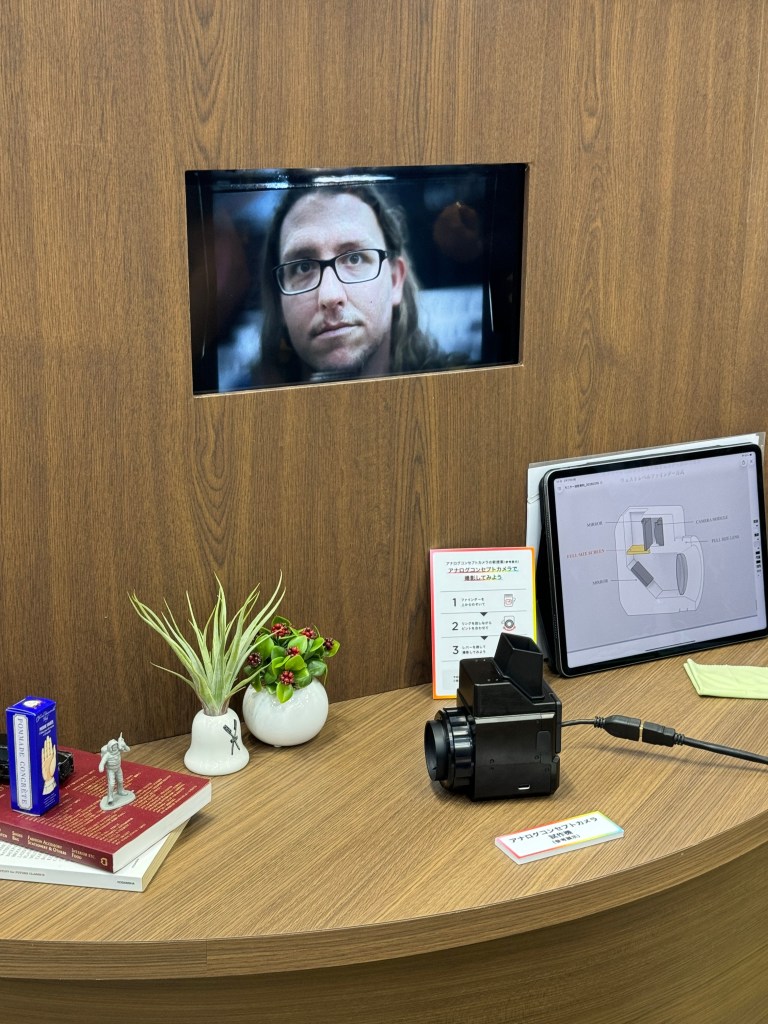
Web editor Zach took this selfie with the Canon Analog Concept camera. What do you think? Photos was from the previous CP+ exhibition review article.