PRONEWS AWARD 2025 – Cinema Cameras

PRONEWS AWARD 2025
With only a few days left until 2025, it’s time for the video industry to take stock of the past year. This past year has not only seen the emergence of numerous new products and services, but it has also left a strong impression on us as we see how these products have permeated actual production sites, changing workflows and the very nature of expression. PRONEWS has been following these changes on the ground through daily coverage and investigation, including at major domestic and international exhibitions such as NAB, Cine GEAR, IBC, and Inter BEE. This is the PRONEWS Award for the best Cinema Cameras of 2025!
A review of cinema cameras in 2025
A year of abundance – price range restructuring and diversifying value axes
2025 was a bumper year for cinema cameras. For clarity, we will leave out action cameras and camcorders, and will focus solely on cinema cameras that have had a major impact on the market.
The biggest focus is the three-way battle between Sony, Canon, and Nikon in the “under 500,000 yen” market. This segment, long dominated by Sony’s FX3, has seen other companies make full-scale entries, revitalizing the market like never before. First, let’s take a look at the cameras that have been nominated.
The restructuring of the entry price range indicates a turning point in the cinema camera market in 2025
Sony
The Sony FX2 is a model characterized by its thorough hybrid orientation. While a video camera, it features a mechanical shutter and a movable EVF, and is designed with still photography in mind. Its suggested retail price of 416,900 yen (tax included) is a price that accurately captures the realities of documentaries and other situations where both photography and video are required.
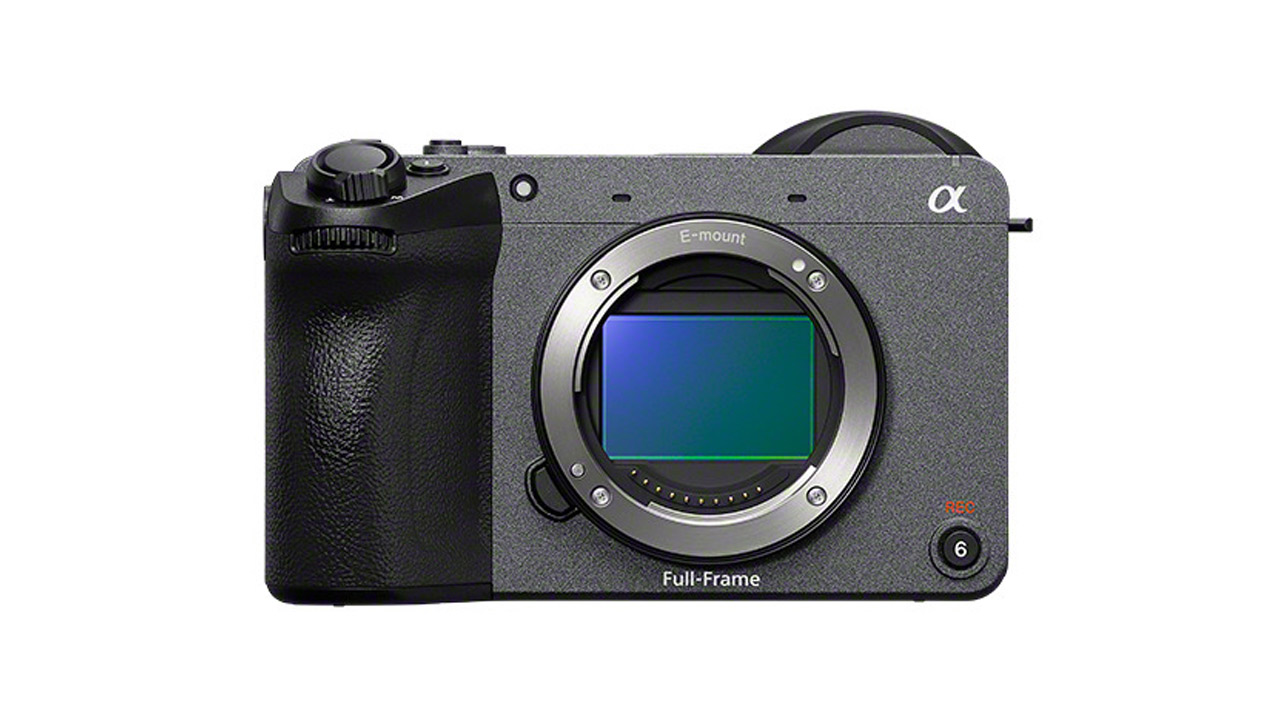 Sony “FX2”
While offering a realistic option for still photographers looking to venture into the video realm, the launch of the FX3A also underscores the breadth of Sony’s product lineup in this price range. This camera, which combines design philosophy and pricing strategy at a high level, symbolizes the reorganization of the entry-level cinema camera market.
Canon
Canon’s EOS C50, meanwhile , is positioned as the entry-level CINEMA EOS model, but it inherits the shooting concepts of its higher-end models in many ways.
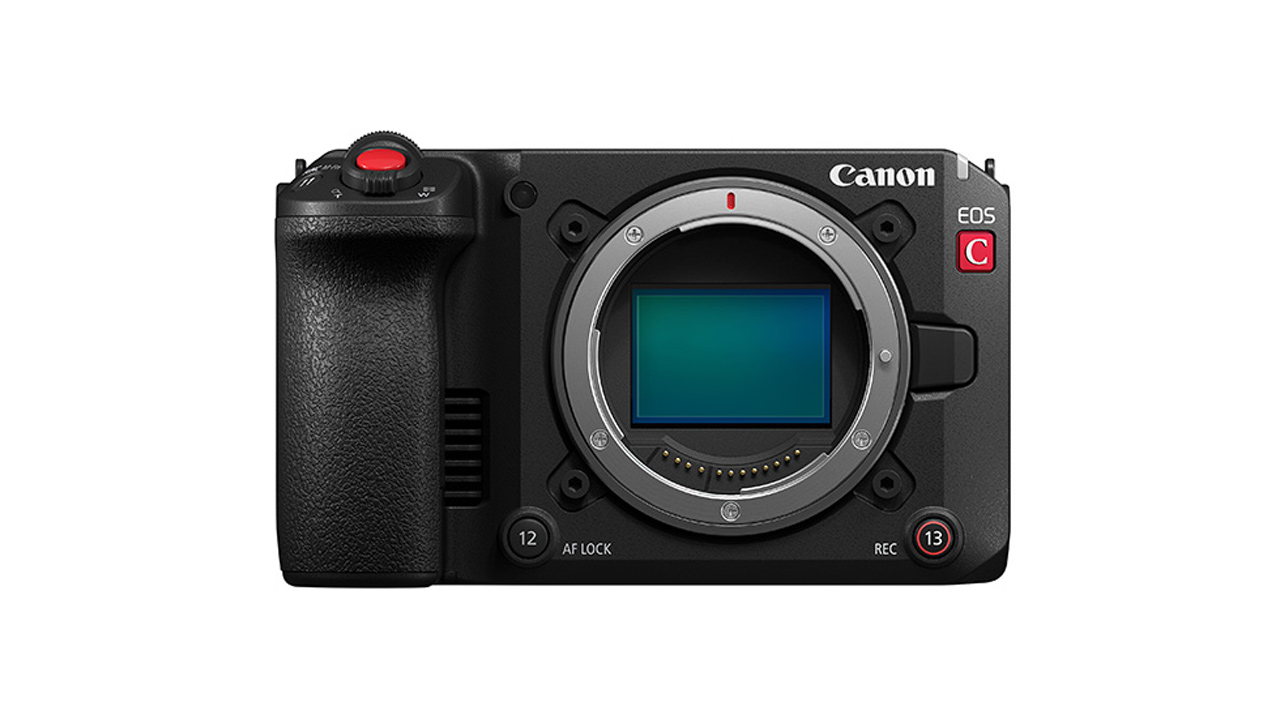 Canon “EOS C50”
Of particular note is the finally implemented 7K open-gate recording. By reading the entire sensor, it offers greater flexibility for re-framing during editing, and its ability to flexibly accommodate a variety of output requirements, including vertical video, is a major advantage in modern production environments.
Furthermore, its compact and lightweight body makes it suitable for gimbal operation and as a sub-camera, making it easy to build a system that combines it with higher-end models like the EOS C80 or EOS C400. Considering its price range, this camera stands out for its excellent balance of practical use, from shooting to post-production. By seamlessly incorporating the concepts of higher-end models into the entry-level model and setting standards that are in line with actual production, this camera is emblematic of the cinema camera market in 2025.
Nikon
The camera that garnered the most attention was the Nikon ZR. Its announcement at IBC 2025 sparked great interest among filmmakers. Based on a sensor equivalent to the Z6III and the latest AF performance, it incorporates features previously limited to higher-end models, such as internal RAW recording and 32-bit float recording, and its official store price of 299,200 yen (tax included) demonstrates the design direction for this price range.
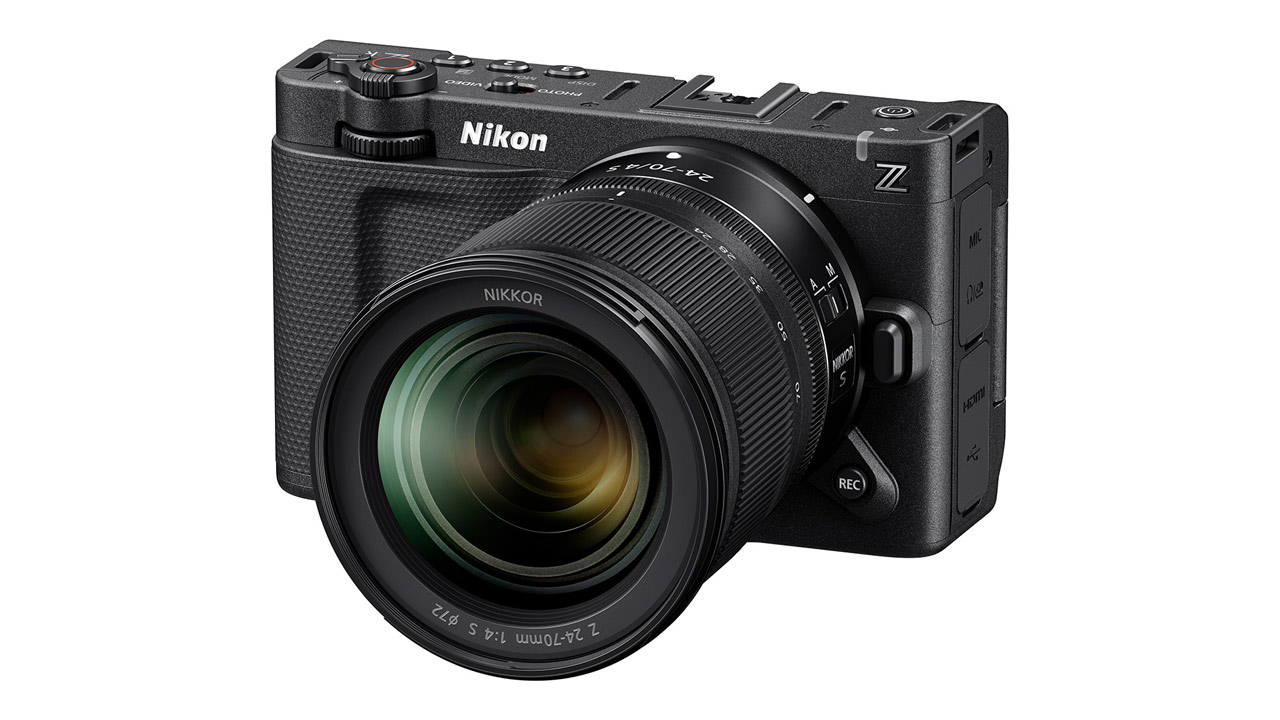 Nikon “ZR”
However, its level of completion and operational performance remain to be verified. However, rather than presenting a finished product at this point in time, this camera offers a perspective on how cinema cameras will evolve in the future, making it a symbol of the cinema camera market in 2025.
Lumix
The Panasonic LUMIX S1II series is a model that achieves an extremely high level of balance as a “hybrid of video and still images” thanks to the newly adopted partially stacked CMOS sensor and latest engine. Of particular note is the ability to record 6K30P (3:2) and 5.1K60P (3:2) video using the entire sensor. This is a major advantage for productions that prioritize freedom during editing. Additionally, the ability to secure 15 stops of dynamic range when the dynamic range boost is ON is another important factor supporting the breadth of visual expression. With its outstanding performance, it can be said that this camera clearly meets the needs of creators who desire freedom in editing.
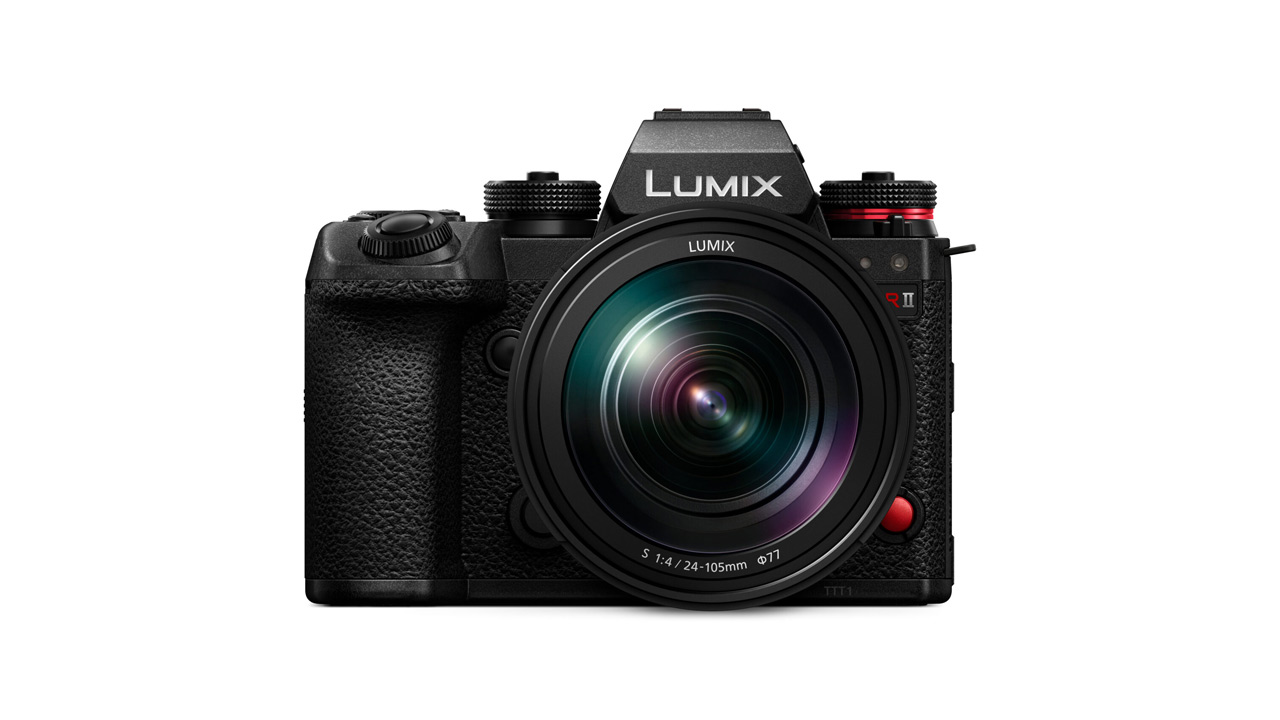 Panasonic “LUMIX S1II”
Format expansion opens up new production options
For box cameras, Blackmagic Design’s PYXIS 12K made a strong presence. Its greatest merit was its strategic pricing of 832,800 yen (tax included) despite being equipped with the same 12K sensor as the company’s higher-end model, the URSA Mini Pro 12K. Its
wide readout mechanism, which allows for open-gate operation, allows for flexible support for the diverse resolutions and aspect ratios required on-site, making it a noteworthy product that significantly expands the entry point for high-resolution cinema production. The significance of this camera in pushing 12K workflows, previously only feasible with high-end equipment, into a more realistic realm in terms of both cost efficiency and operability, makes it a clear value proposition for the cinema camera market in 2025.
 Blackmagic Design “PYXIS 12K”
Fujifilm GFX ETERNA 55
We also can’t forget the recently released Fujifilm GFX ETERNA 55. In addition to the appeal of the medium-format sensor format itself, expectations are high for how Fujifilm’s expertise as a filmmaker that has contributed to the film industry will be utilized in the cinema market. It seems likely to establish a unique position in broadcast documentaries and specific cinematic settings. Armed with the texture expression unique to medium-format sensors, this camera was a symbolic presence, presenting a value axis that differs from the existing full-frame competition.
 Fujifilm “GFX ETERNA 55”
Deepening expressive power seen in the high-end and special effects fields
For the high-end cameras, the ARRI ALEXA 35 Xtreme deserves special mention. Its high-frame-rate capabilities, including a maximum of 660 fps, dramatically expand the scope of motion expression, enabling greater creative possibilities in advertising, music videos, and action film production. Furthermore, the
new high-quality, low-data-rate ARRICORE codec improves data efficiency while maintaining ARRI’s signature high image quality and high fidelity, once again proving its high level of sophistication as a professional cinema camera. Building on a mature platform, this camera expands the realm of expression, symbolizing the evolution of high-end cinema production.
 ARRI “ALEXA 35 Xtreme”
RED
Another noteworthy new product is the RED V-RAPTOR XE. It was selected as a model that symbolizes the well-balanced specifications and operability of the DSMC3 platform. Its 8K VV global shutter sensor enhances optical dynamic expression and post-production reframing freedom, providing high flexibility in both shooting and editing. Its lightweight body expands its applicability to a wide range of locations, including gimbals, aerial photography, and mobile shooting, demonstrating the successful application of RED’s flagship camera’s high performance to more practical use. Additionally, its
compatibility with Canon RF and Nikon Z mounts expands its versatility in terms of utilizing lens assets, greatly expanding the range of options for production sites in 2025, and is worthy of high praise. This camera redefines flagship performance on-site, symbolizing the combination of mobility and high performance.
 RED “V-RAPTOR XE”
VENICE Extension System Mini
Sony’s “VENICE Extension System Mini,” which has been a hot topic in the special effects field , is not a new cinema camera, but a camera head extension system for the VENICE 2 that significantly reduces the camera head’s weight and size. Its technological prowess shines through, as it manages to reduce the size by 70% compared to previous models while still incorporating the VENICE 2’s 8K sensor. With a standard E-mount, it’s about the size of an apple, and looks like a beefed-up action camera. The detachable cable, which was improved with on-site experience in mind, dramatically increases the flexibility of rigging in tight spaces. This unit brings the image quality of the VENICE as close as possible to the set, symbolizing the expansion of flexibility in the special effects field.
 Sony “VENICE Extension System Mini”
PIXBOOM
Another interesting product was the PIXBOOM Spark, a somewhat unique offering. Its ability to transform high-speed shooting workflows, which previously relied on expensive dedicated equipment, into a more practical and accessible option is commendable. With performance of up to 4K 1,000fps and 2K 1,800fps, it enables the capture of subtle movements and time manipulation at low cost and with flexible operation. The S35 global shutter sensor reduces distortion and the effects of rolling shutter, improving the purity of image quality during high-speed shooting.
Furthermore, it comes standard with an internal SSD of up to 2.4TB, supporting long-term, high-frame-rate recording. It reduces the operational and post-processing burdens inherent to high-speed shooting, enhancing its practicality in production settings. Spark offers a practical solution to high-speed shooting, which previously had a high barrier to adoption due to its importance for production purposes.
 PIXBOOM “Spark”
Overall, 2025 can be said to have been a year in which companies, from entry-level to high-end and specialized equipment, meticulously analyzed user needs and launched surprising products.
The below are the nominated products in the camera category.
PRONEWS Award 2025 Best Cinema Camera Finalists
- Sony “FX2”
- Canon EOS C50
- Nikon “ZR”
- Panasonic “LUMIX S1II”
- Blackmagic Design “PYXIS 12K”
- Fujifilm “GFX ETERNA 55”
- ARRI “ALEXA 35 Xtreme”
- RED V-RAPTOR XE
- Sony “VENICE Extension System Mini”
- PIXBOOM “Spark”
All of the above products have clear personalities and roles to play in the cinema camera market in 2025, presenting new options to production sites.
Taking this in mind, we chose the following as the best cinema cameras of 2025!
PRONEWS AWARD 2025 Cinema Camera Category Gold Award
Canon EOS C50

The winner of the PRONEWS AWARD 2025 for the Best of Cinema Cameras Gold Award 2025 is the Canon EOS C50. All of the nominated products had clear individuality and value, making the decision difficult until the very end. The deciding factor was that the EOS C50 demonstrated the most stable level of completion, capable of producing results in actual production environments.
The EOS C50 effortlessly packs 7K open gate recording and other shooting functions into a compact, lightweight body, and is versatile enough to handle a wide range of applications, from gimbal operation to main camera use. Among a lineup of products that boast cutting-edge technology and cutting-edge individuality, this camera achieved a high level of balance between price range, performance, and operability, and stood out for its reliability in actual use. As the editorial department, we selected it for the Gold Award as the camera that most consistently met the evaluation criteria for this category: “effectiveness on site” and “impact on the entire production flow.”
PRONEWS AWARD 2025 Cinema Camera Category Silver Award
Fujifilm “GFX ETERNA 55”
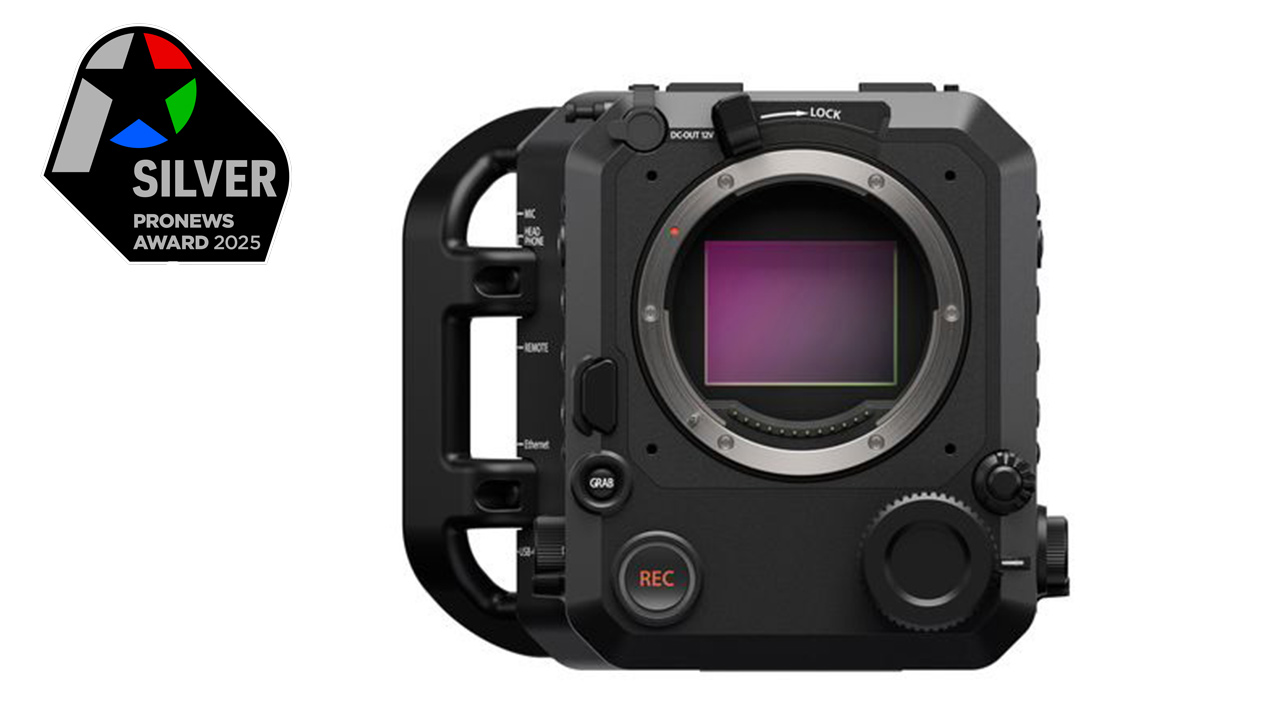
On the other hand, there are also products that fall just short of the Gold Award winners in terms of completeness and versatility, but leave a strong impression in terms of their unique value and future potential.
Fujifilm’s GFX ETERNA 55 was selected as the Silver Award winner in the Cinema Camera category of the PRONEWS AWARD 2025.
There are areas where further improvements are needed in the lens selection and system maturity specific to the medium format, but even so, the imaging value brought about by the medium format’s unique depiction power and tonal expression is clear, and we highly praised the fact that it presented an option on a different level from the full-frame competition.
Although it may be a step behind the Gold Award winner in terms of completeness and versatility, it is worth noting that it has brought a new standard to expression itself. In a field where visual beauty is prioritized over efficiency, this camera is worthy of the Silver Award as it has taken on the challenge of presenting irreplaceable value.